A fresh political confrontation has emerged between the Bharatiya Janata Party and the Congress over the recitation of Vande Mataram. BJP MP Dharmendra Pradhan has accused the Congress of pursuing appeasement politics after the Congress Working Committee decided to follow its 1937 resolution concerning the national song.
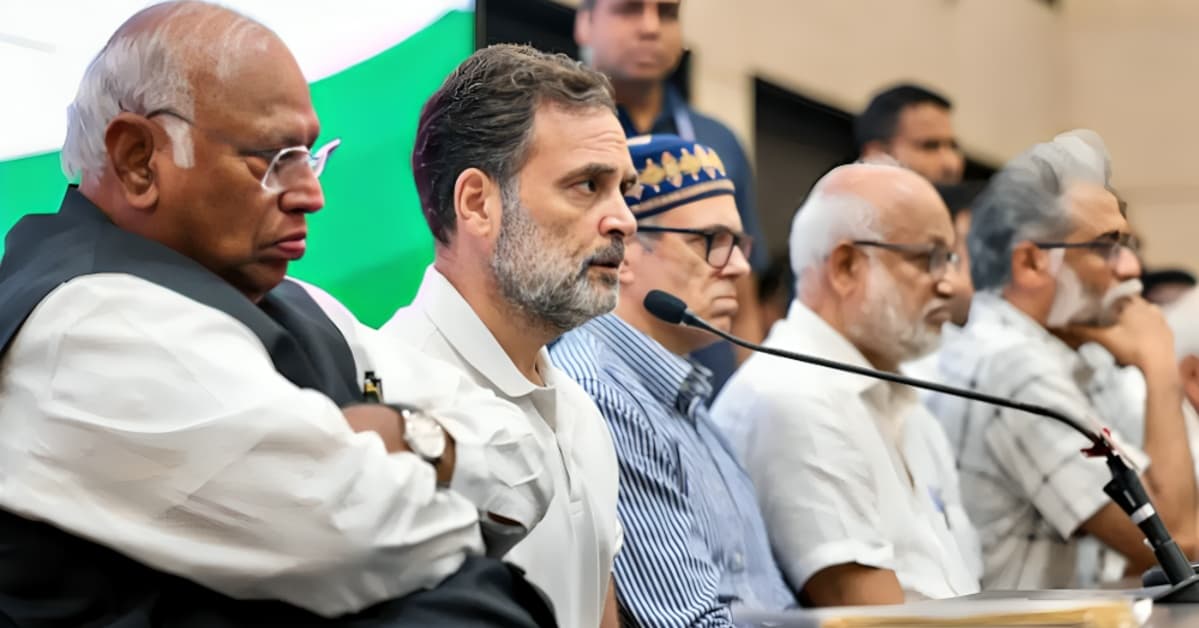
According to the decision, only the first two stanzas of Vande Mataram will be sung at Congress party programmes. The Congress has maintained that the decision follows the position adopted by its Working Committee in 1937. The issue has now become a major point of political debate between the ruling BJP and the opposition Congress.
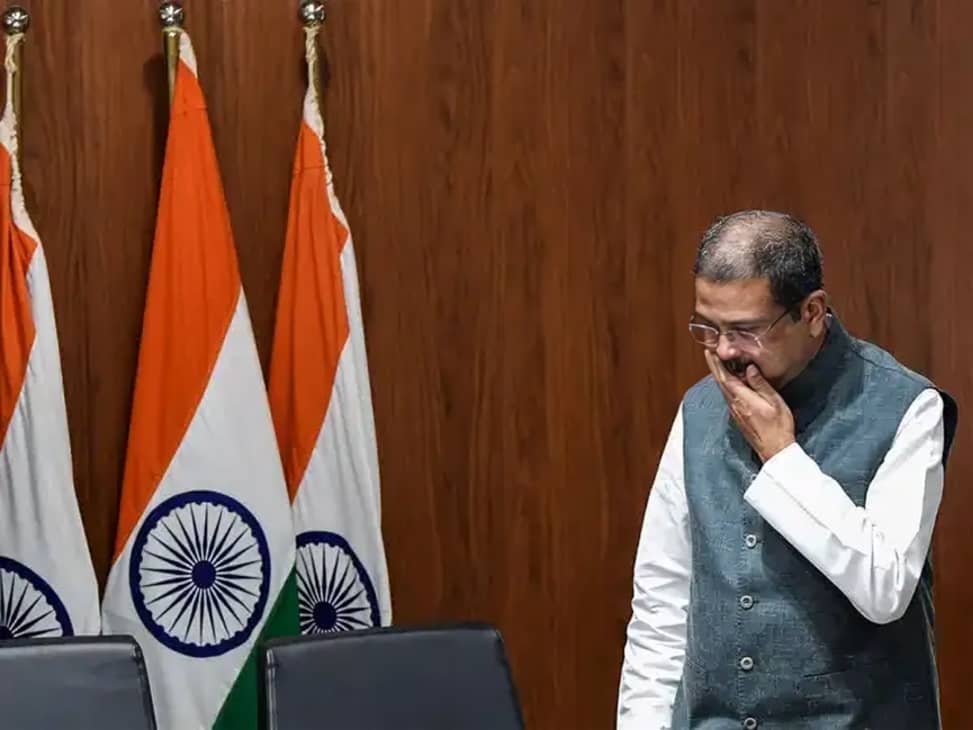
Speaking about the issue, Dharmendra Pradhan alleged that the Congress had never stood firmly for the country’s unity, identity and self respect. He described the party’s position on Vande Mataram as an example of what he called appeasement politics.
Pradhan also claimed that the latest decision had exposed the Congress party’s position before the people of India. His remarks were part of a wider BJP campaign questioning the Congress decision to limit the rendition of Vande Mataram to its first two stanzas at party events.
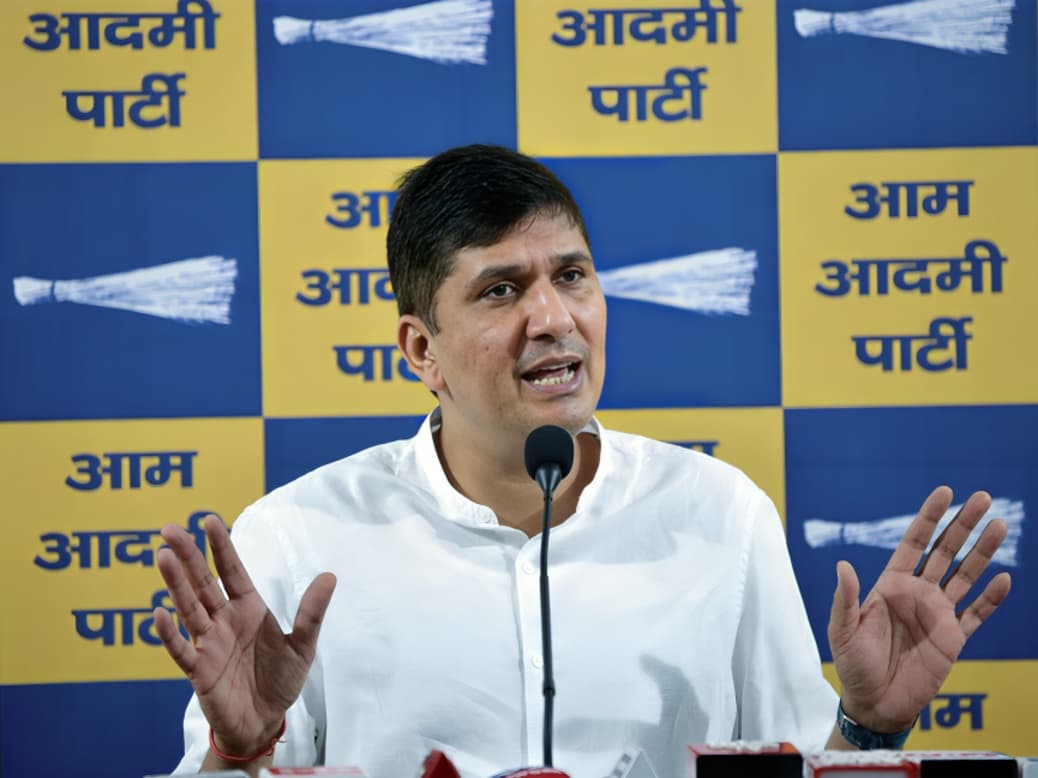
The Congress has rejected the BJP’s criticism. West Bengal Pradesh Congress Committee president Subhankar Sarkar strongly defended his party’s historical association with Vande Mataram. He said the Congress did not need lessons from the BJP about the national song and argued that the party’s relationship with Vande Mataram goes back to the freedom movement.
Sarkar also criticised the Rashtriya Swayamsevak Sangh while responding to the BJP’s allegations. He argued that Congress leaders and workers had been associated with the national song from the period of the freedom struggle and rejected the suggestion that the party lacked respect for Vande Mataram.
The controversy has its immediate background in the Congress Working Committee’s decision to follow its 1937 position. The historical resolution was adopted during a period when the use of Vande Mataram had become a subject of political debate. The later stanzas of the song contain religious imagery that became a point of contention at the time.
The Congress has continued to maintain that the first two stanzas are appropriate for use at its party programmes. The BJP, however, has criticised the decision and argued that the national song should be given greater respect in its complete form. This difference of opinion has now developed into a broader political dispute over nationalism, history and the legacy of the freedom movement.
The controversy was further intensified after an incident at the Congress headquarters during an Independence Day programme on August 15. The BJP criticised a video showing Congress leaders interacting during the rendition of Vande Mataram. Congress leaders rejected the BJP’s interpretation of the incident and offered their own explanation for what happened.
The BJP subsequently stepped up its criticism of the Congress, with senior leaders including Union Home Minister Amit Shah also attacking the party’s position on the national song. The Congress, in turn, accused the BJP of politicising issues associated with national symbols.
Vande Mataram occupies an important place in India’s history. Written by Bankim Chandra Chattopadhyay, the song became closely associated with the freedom movement and was used as a rallying expression during the struggle against British rule.
The national song and the national anthem have different official statuses in India. Vande Mataram is recognised as the National Song, while Jana Gana Mana is the National Anthem. The Constituent Assembly’s proceedings in January 1950 established that Vande Mataram would be honoured alongside the national anthem.
The current dispute is therefore not simply about how a song should be performed at political meetings. It has become part of a wider political argument between the BJP and Congress over nationalism, historical decisions and the interpretation of events during the freedom struggle.
The BJP has sought to portray the Congress decision as evidence of appeasement politics. Congress leaders have rejected that interpretation and have emphasised their party’s historical role in the freedom movement and its association with Vande Mataram.
The exchange between Dharmendra Pradhan and Subhankar Sarkar reflects the continuing political divide over the issue. While the BJP argues that limiting the rendition of the national song is disrespectful to national sentiment, Congress leaders maintain that following the historical 1937 resolution does not amount to rejecting Vande Mataram.
With both parties continuing to defend their positions, the Vande Mataram controversy is likely to remain a prominent political issue. The debate has brought questions surrounding the national song, its historical background and its place in contemporary political programmes back into public discussion.
For the moment, the BJP and Congress remain sharply divided over the issue. Pradhan’s latest remarks have added another layer to the political confrontation, while Sarkar’s response shows that Congress leaders are prepared to strongly defend the party’s historical connection with the national song.
The continuing debate demonstrates how symbols associated with India’s freedom movement can become central to contemporary political discourse. As both parties present competing interpretations of history and nationalism, the dispute over Vande Mataram has emerged as another significant point of contention in the ongoing BJP Congress political contest.