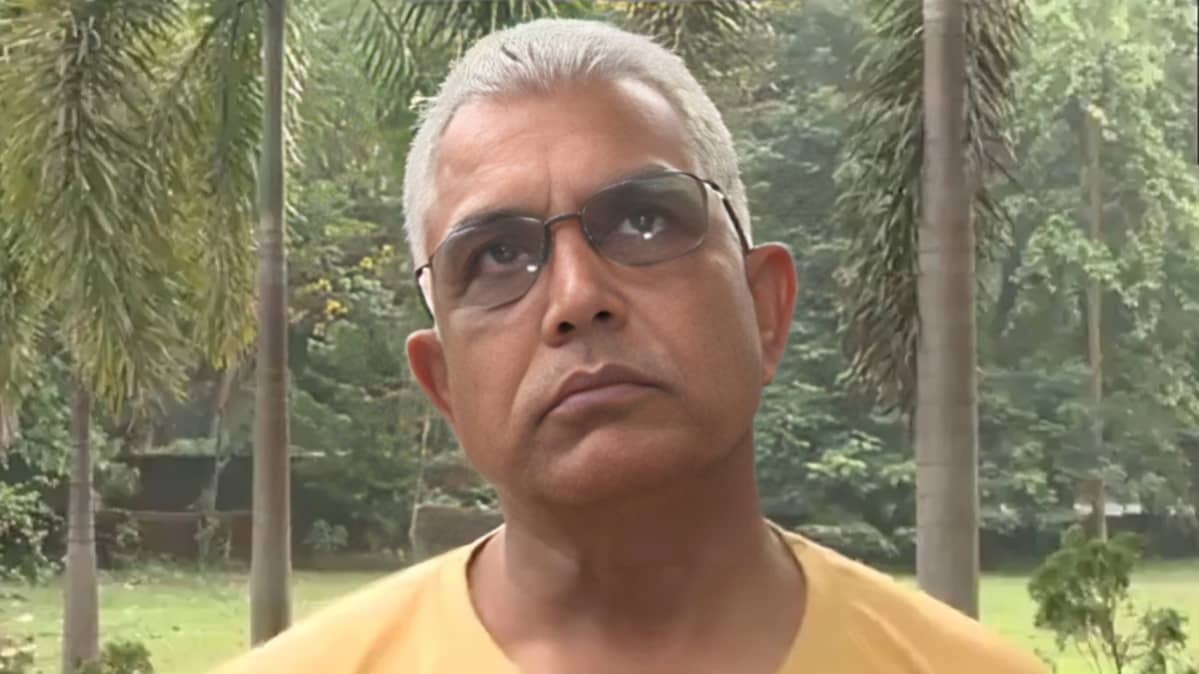

Political developments in West Bengal have gained significant attention following reports of an internal leadership dispute within the ruling Trinamool Congress. The situation has prompted reactions from opposition leaders, including senior Bharatiya Janata Party leader Dilip Ghosh, who criticized the developments and questioned the stability of the state's ruling party.
According to reports, a group of Trinamool Congress legislators has expressed disagreement with the existing leadership structure and announced support for an alternative leadership arrangement. The move has intensified discussions regarding the party's internal functioning and organizational unity.
The reported factional differences have emerged at a time when the Trinamool Congress continues to hold a dominant position in West Bengal politics. As the ruling party in the state, any internal developments are closely monitored by political observers, party workers, and opposition groups.
Dilip Ghosh commented on the situation, stating that the ongoing developments reflect growing dissatisfaction within sections of the party. He argued that internal disagreements could affect the party's organizational strength and political image. His remarks come as opposition parties seek to highlight divisions within the ruling establishment.
Reports indicate that rebel legislators have sought to establish an alternative leadership structure, leading to questions regarding the future direction of the party. The developments have reportedly resulted in organizational actions by the party's disciplinary committee. Several leaders are said to have faced disciplinary measures as the party attempts to address the situation and maintain internal discipline.
Political analysts note that disputes involving leadership and organizational control can have significant implications for political parties, particularly when elected representatives publicly express differing views. Such situations often require party leadership to engage in dialogue, organizational reviews, and disciplinary proceedings to restore unity.
The Election Commission of India may become involved if any formal dispute regarding party leadership, organizational control, or official recognition is submitted for consideration. In similar cases, the commission typically examines party constitutions, organizational records, and evidence of support among elected representatives before taking any decision.
Despite reports of internal disagreements, Trinamool Congress leaders have repeatedly maintained that the party remains united and committed to its political objectives. Party representatives have stated that necessary organizational measures are being taken to address concerns and ensure smooth functioning.
The political developments have also generated widespread discussion across West Bengal, where the Trinamool Congress continues to play a central role in governance and public policy. Observers believe that how the party handles the current situation could influence its public image and future political strategy.
As events continue to unfold, attention will remain focused on the responses of party leadership, the actions of rebel legislators, and any potential intervention by constitutional authorities. The coming weeks are expected to be important in determining how the internal dispute evolves and whether a resolution can be reached through party mechanisms.