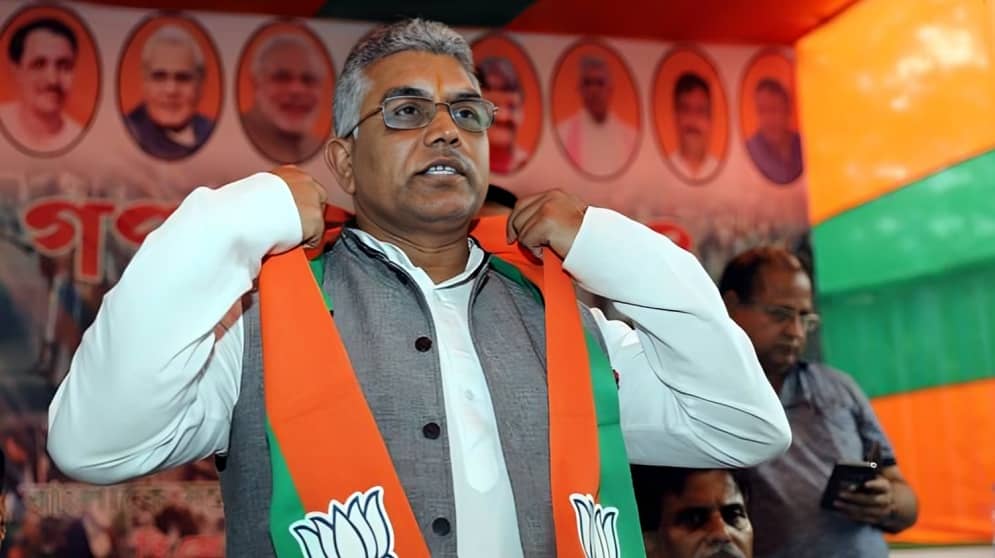

The Bharatiya Janata Party has recorded a notable performance in the West Bengal Assembly elections, marking a significant shift in the state’s political dynamics. One of the key highlights of the election results is the victory of senior BJP leader Dilip Ghosh from the Kharagpur Sadar Assembly constituency.
Dilip Ghosh, who is a prominent face of the BJP in West Bengal, secured the seat with a comfortable margin. Following his victory, he expressed gratitude to the voters, stating that the people have shown trust and confidence in his leadership. His win is being seen as a major milestone for the party, especially in a state where it has been striving to expand its presence.
The BJP’s overall performance in the election has also drawn attention. The party managed to secure a significant number of seats, surpassing its previous electoral outcomes in the state. This improvement reflects the party’s growing influence and its efforts to strengthen its organizational base in West Bengal.
On the other hand, the Trinamool Congress, which has been a dominant political force in the state, finished in the second position in this election. The results suggest increased competition between the BJP and the Trinamool Congress, indicating a more dynamic and competitive political environment.
Political analysts believe that the BJP’s performance can be attributed to several factors, including its campaign strategies, leadership outreach and focus on key local issues. The party’s ability to connect with different sections of voters appears to have contributed to its electoral gains.
The election results also highlight a broader shift in voter preferences in West Bengal. Over the years, the state has witnessed changes in political alignments, and the latest outcome suggests that voters are open to alternative political options. This evolving trend is expected to influence future elections in the region.
Meanwhile, the Election Commission has ensured that the polling process was conducted smoothly, with a high voter turnout reported across many constituencies. The participation of voters reflects strong public engagement in the democratic process.
Following the announcement of results, celebrations were held by BJP supporters in various parts of the state. Party leaders have described the outcome as a positive step forward and have expressed confidence in further strengthening their position in West Bengal.
At the same time, the Trinamool Congress is expected to review its performance and assess the factors that led to the outcome. Political observers note that both parties will likely recalibrate their strategies in response to the changing political landscape.
The victory of Dilip Ghosh and the improved performance of the BJP have added a new dimension to West Bengal politics. As the state moves forward, the impact of these results will be closely watched by political stakeholders and analysts.
Overall, the election outcome signals a phase of transformation in West Bengal’s political environment, with increased competition and evolving voter expectations shaping the future of governance in the state.