Lok Sabha Speaker Om Birla hosted a customary tea meeting after the conclusion of the Monsoon Session of Parliament, bringing together members from different political parties. The meeting became notable because most major opposition parties chose to stay away, while the Dravida Munnetra Kazhagam attended the gathering.
The participation of the DMK attracted attention because the party is an important constituent of the opposition INDIA bloc. Congress, Samajwadi Party and Trinamool Congress members were among those who did not attend the Speaker's customary event. The decision to participate by the DMK came against the backdrop of differences within the wider opposition grouping.
The tea meeting is traditionally organised by the Lok Sabha Speaker at the end of a parliamentary session. Such gatherings provide an informal setting for leaders and parliamentarians from different parties to interact outside the regular proceedings of the House.
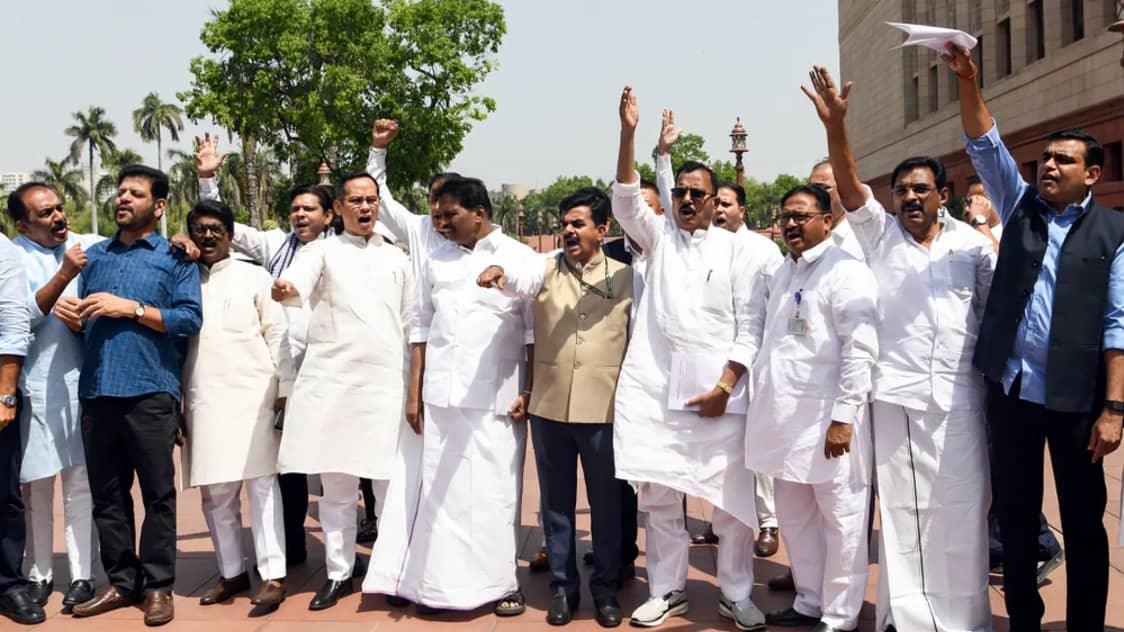
This year's meeting, however, took place after a politically contentious Monsoon Session. Opposition parties had raised several issues during the session and frequently confronted the government over matters they considered important. The boycott by several opposition parties was therefore viewed as a political signal.
The DMK's decision to attend the event stood out against the broader boycott. The development has renewed attention on the relationship between the DMK and other parties within the opposition alliance. While the attendance itself does not necessarily indicate a change in political alignment, it highlighted differences in the approach adopted by individual opposition parties.
Another important development emerged during the same period involving Sudip Bandyopadhyay. The senior leader from the rebel Trinamool Congress group urged Prime Minister Narendra Modi to appoint a convener for the National Democratic Alliance. Bandyopadhyay argued that having a designated convener could improve coordination between the alliance partners, particularly when Parliament is not in session.
According to reports, the proposed NDA convener would provide a channel for communication between the different parties supporting the government. The role could help alliance partners exchange views, raise concerns and coordinate political strategies outside parliamentary proceedings.
The demand comes amid significant political changes involving the Trinamool Congress in West Bengal. A rebel group of TMC MPs has been seeking recognition as a separate parliamentary group. Earlier reports indicated that the group had approached Lok Sabha Speaker Om Birla regarding recognition in Parliament.
The developments have added another layer to the evolving political equations in Parliament. The demand for formal recognition by the rebel group could have implications for the way parliamentary representation and party groups are organised in the Lok Sabha.
At the same time, the attendance of the DMK at the Speaker's tea meeting demonstrates that opposition parties can adopt different approaches to parliamentary engagements. The Congress and several other INDIA bloc parties maintained their decision to boycott the event, while the DMK chose to participate.
The conclusion of the Monsoon Session has therefore been accompanied by discussions about both opposition unity and coordination within the ruling alliance. The developments involving the DMK, the rebel TMC group and the NDA have drawn attention to the changing political landscape.
As Parliament prepares for its future sessions, coordination among political parties is expected to remain an important issue. The demand for an NDA convener, the request for recognition by the rebel TMC group and the DMK's participation in the Speaker's meeting are likely to remain part of the political discussion in the coming days.