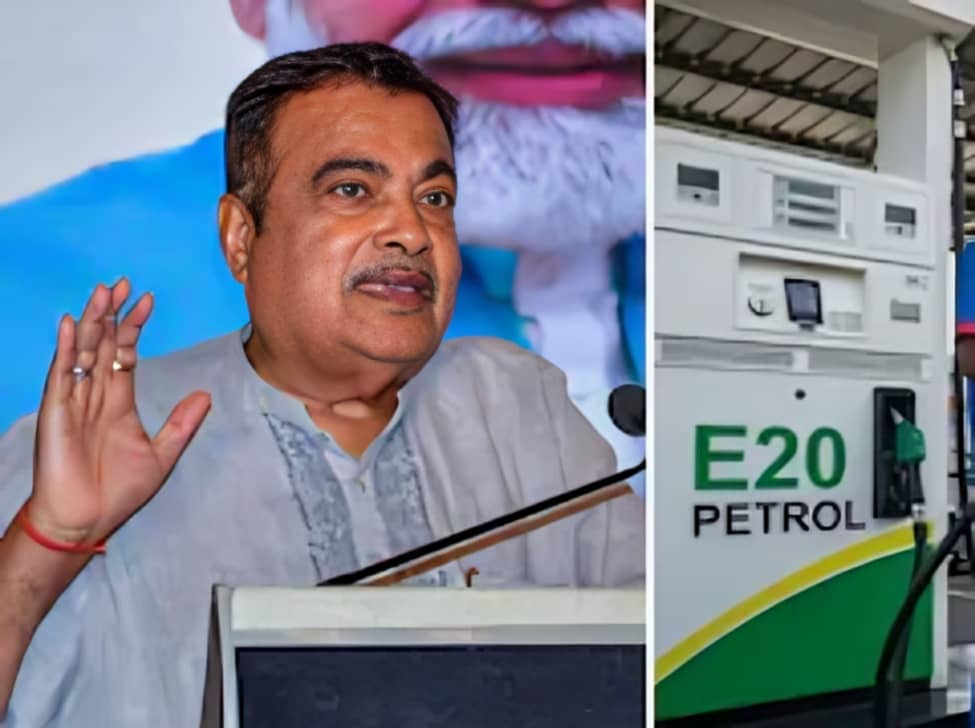

The Government of India has reiterated that the Ethanol Blended Petrol Programme was introduced through a carefully planned, scientifically validated and phased implementation process. Responding to a question in the Lok Sabha, Union Minister for Road Transport and Highways Nitin Gadkari said the transition to E20 petrol was carried out only after extensive technical evaluation and consultations with key stakeholders.
According to the minister, the Ministry of Petroleum and Natural Gas progressively increased ethanol blending after ensuring adequate ethanol production capacity, fuel distribution infrastructure and the required regulatory framework. He said the programme was implemented in a calibrated manner to facilitate a smooth transition for consumers, fuel suppliers and the automobile industry.
Gadkari informed Parliament that the shift to E20 petrol was undertaken only after successful validation of critical technical parameters. These included fuel system performance, engine durability, drivability, material compatibility, emissions performance and consumer acceptance. He stated that these evaluations were conducted before expanding the use of E20 fuel across the country.
The minister also emphasized that the E20 programme was developed through an extensive consultative process involving multiple stakeholders. Automobile manufacturers, auto component manufacturers, the Society of Indian Automobile Manufacturers, the Automotive Research Association of India, vehicle testing agencies, Oil Marketing Companies, ethanol producers and representatives from the sugar and grain industries participated in various stages of policy formulation and implementation.
The Government has been promoting ethanol blending as part of its broader strategy to improve India's energy security, reduce dependence on imported crude oil and support cleaner transportation. The programme is also intended to encourage domestic ethanol production while providing additional opportunities for the agricultural sector and related industries.
Industry experts note that the adoption of ethanol blended fuel has been supported by continuous research, vehicle testing and regulatory oversight. Manufacturers have also introduced vehicle models designed to be compatible with E20 fuel, while consumers are advised to refer to their vehicle manuals or contact authorized service centres for model specific guidance regarding fuel compatibility.
The Government has maintained that stakeholder consultations and technical validation were key components of the programme's rollout. Officials have stated that policy decisions were based on scientific studies and recommendations from technical institutions before nationwide implementation.
The E20 initiative forms part of India's long term efforts to promote alternative fuels, lower carbon emissions and build a more sustainable transportation ecosystem. As ethanol blending expands, the Government has indicated that it will continue to work with industry stakeholders to monitor implementation and address operational requirements.
The statement made in Parliament comes amid ongoing public discussions about ethanol blended fuel and vehicle compatibility. The Government has reiterated that the programme has been introduced through a structured process supported by technical expertise, industry participation and regulatory oversight.