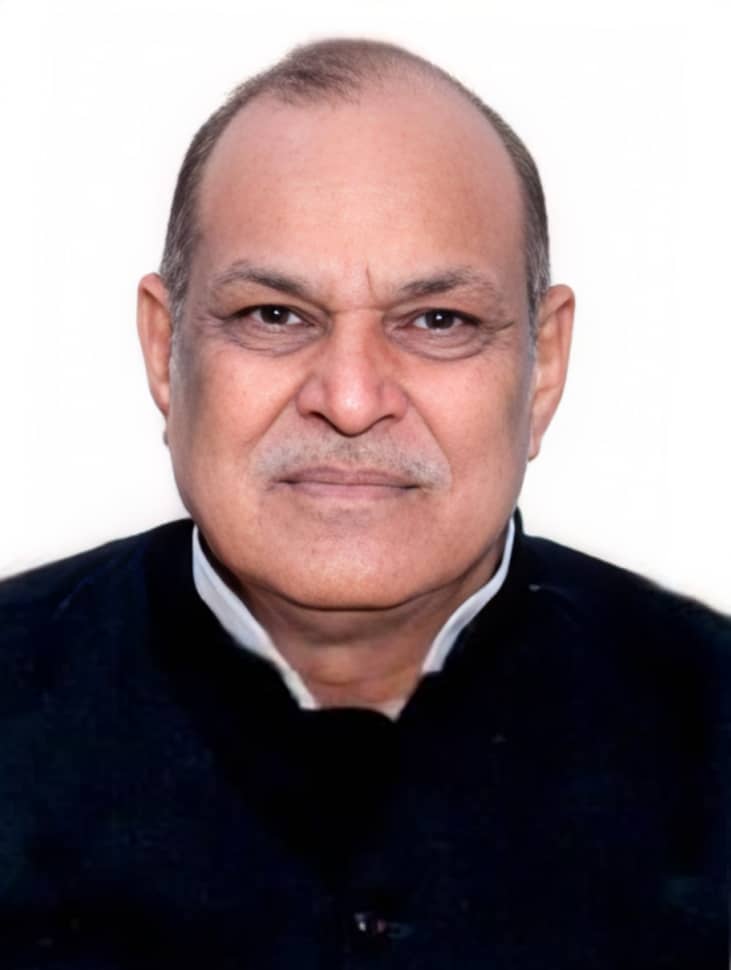
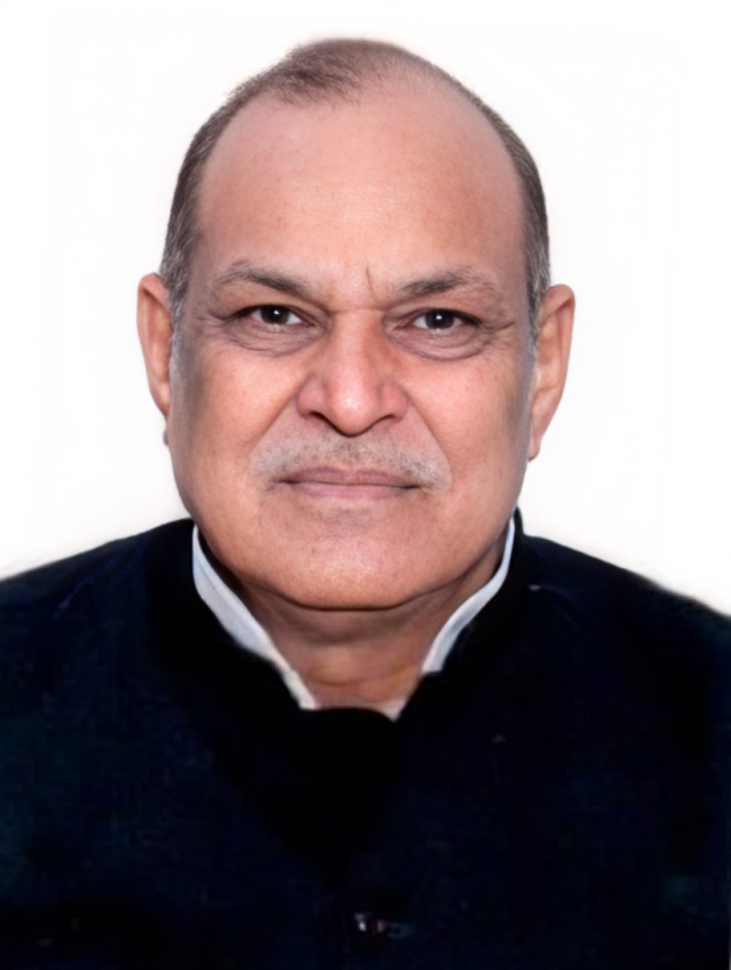
Former Congress leader Ashok Singh has resigned from the Indian National Congress after more than three decades of association with the party. His resignation has drawn political attention after he alleged that experienced party workers are being overlooked while newer members are being given key organizational positions.
In his resignation statement, Singh claimed that many long serving Congress workers have become disappointed with the party's internal functioning. According to him, dedicated workers who have spent decades building the organization are not receiving adequate recognition or responsibilities despite their years of service.
Singh also stated that senior Congress leader Rahul Gandhi is not being presented with an accurate picture of the party's ground level situation. He alleged that the current leadership surrounding Rahul Gandhi is not conveying the concerns of grassroots workers effectively, resulting in dissatisfaction among experienced party members.
The resignation follows disciplinary action initiated against Singh after he attended a public event associated with the Bharatiya Janata Party. The Congress had reportedly issued him a show cause notice seeking an explanation for his participation in the event. The notice became one of the developments leading up to his decision to leave the party.
Ashok Singh had been associated with the Congress for approximately 35 years and held various organizational responsibilities during his political career. His departure comes at a time when the Congress is working to strengthen its organization ahead of upcoming elections in several states.
The Congress has recently undertaken leadership changes and organizational restructuring in different states as part of its efforts to improve electoral performance. These changes have generated political discussions within the party, with differing views emerging from various leaders regarding the direction of the organization.
Political observers note that internal disagreements are not uncommon in major political parties, particularly during periods of organizational restructuring. Leadership appointments, candidate selection, and party strategy often become subjects of debate among senior and grassroots workers.
Neither Rahul Gandhi nor the Congress central leadership had issued a detailed public response to Singh's specific allegations at the time of reporting. Party leaders have, however, continued to emphasize strengthening the organization and preparing for future electoral challenges across the country.
The resignation has also prompted reactions from political leaders across party lines, with several commentators describing it as another example of ongoing internal discussions within the Congress. Whether Singh chooses to join another political party or remain independent has not been officially announced.
As the Congress continues its organizational reforms, political analysts believe retaining experienced workers while encouraging new leadership will remain an important challenge for the party. The coming months are expected to provide greater clarity on the party's strategy as it prepares for future elections.