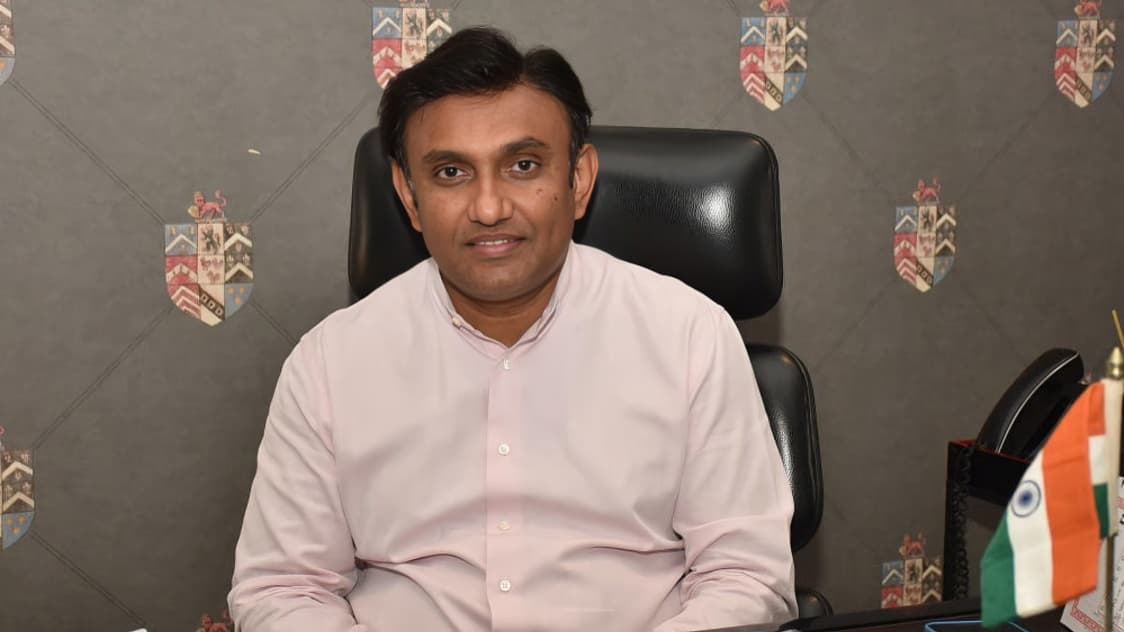
In an unexpected turn of events, a four-time Member of the Legislative Assembly (MLA) from India has admitted that he holds German citizenship, sparking a political and legal debate across the country. The revelation comes as a surprise, especially since the Indian Constitution and the Representation of the People Act prohibit elected representatives from holding foreign citizenship.
The MLA, whose name has not yet been disclosed, has represented his constituency multiple times in the state legislature. This admission raises serious questions about his eligibility to hold office, given the provisions that require Indian public officeholders to renounce any foreign citizenship before taking office.
Legal experts have weighed in on the matter, suggesting that this could potentially lead to his disqualification from the legislature if it is proven that he has violated any constitutional or legal requirements. The issue of dual nationality for politicians has become a contentious topic, with many questioning how it might affect an individual’s loyalty and commitment to serving the nation.
Political parties have begun to respond to the controversy, with some demanding a thorough investigation into the MLA’s citizenship status and whether he has complied with the legal requirements. Others argue that this could be a case of oversight, while some believe it calls for a reevaluation of laws concerning dual nationality and public office.
As the political storm intensifies, this revelation serves as a reminder of the complexities surrounding citizenship, loyalty, and governance in Indian politics.