The proposed free bus travel scheme for women in Kerala State Road Transport Corporation buses could impose a significant financial burden on the state's public transport system, according to Minister CP John. Speaking about the initiative, the minister said the estimated annual expenditure for implementing the scheme could range between Rs 712 crore and Rs 1,300 crore.
The proposal has generated considerable discussion among policymakers, transport experts, and the public, as it aims to improve mobility and accessibility for women across Kerala. Similar schemes have been implemented in several Indian states with the objective of encouraging greater use of public transport and reducing travel expenses for women.
According to the minister, the government is currently assessing the financial impact of the proposal before taking a final decision. The wide range in estimated expenditure reflects different operational scenarios and ridership projections being examined by authorities. Officials are studying passenger data, route utilization patterns, and potential increases in demand that may result from the implementation of free travel.
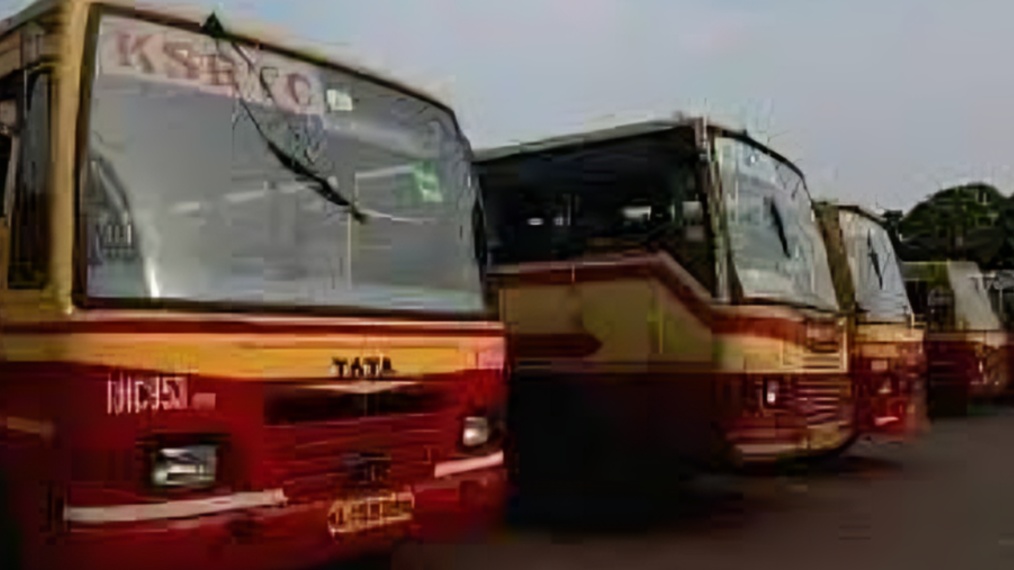
Kerala State Road Transport Corporation plays a crucial role in providing transportation services across urban and rural areas of the state. The corporation operates extensive bus networks connecting cities, towns, and remote regions, serving millions of passengers every year. Any major policy change affecting fare revenue is therefore expected to have substantial financial implications.
Supporters of the proposal argue that free travel for women could improve access to education, employment, healthcare, and other essential services. They believe the initiative would provide direct financial relief to families while encouraging more women to use public transportation regularly. Advocates also point to experiences from other states where similar schemes have reportedly increased female participation in the workforce and improved mobility.
However, concerns have been raised regarding the financial sustainability of the program. Transport economists note that public transport corporations often operate under significant financial constraints, and any reduction in fare revenue may require additional government support or subsidies. The long-term viability of the scheme will depend on the state's ability to allocate sufficient resources while maintaining service quality and operational efficiency.
Officials are expected to examine various funding models before arriving at a final decision. These may include direct budgetary support, reimbursement mechanisms, or phased implementation strategies designed to balance social welfare objectives with fiscal responsibility.
The discussion surrounding the proposal comes amid broader efforts by governments across India to strengthen public transportation networks and introduce welfare-oriented measures for specific sections of society. Policymakers are increasingly focusing on improving accessibility, affordability, and inclusiveness in public transport systems.
The Kerala government has not yet announced a final timeline for implementing the scheme. Further consultations are likely to take place with transport authorities, financial experts, and other stakeholders before a formal decision is made.
As discussions continue, the proposal remains an important topic in Kerala's public policy debate. The outcome will be closely watched by transport planners, social welfare advocates, and citizens interested in the future of public transportation and women's mobility in the state.