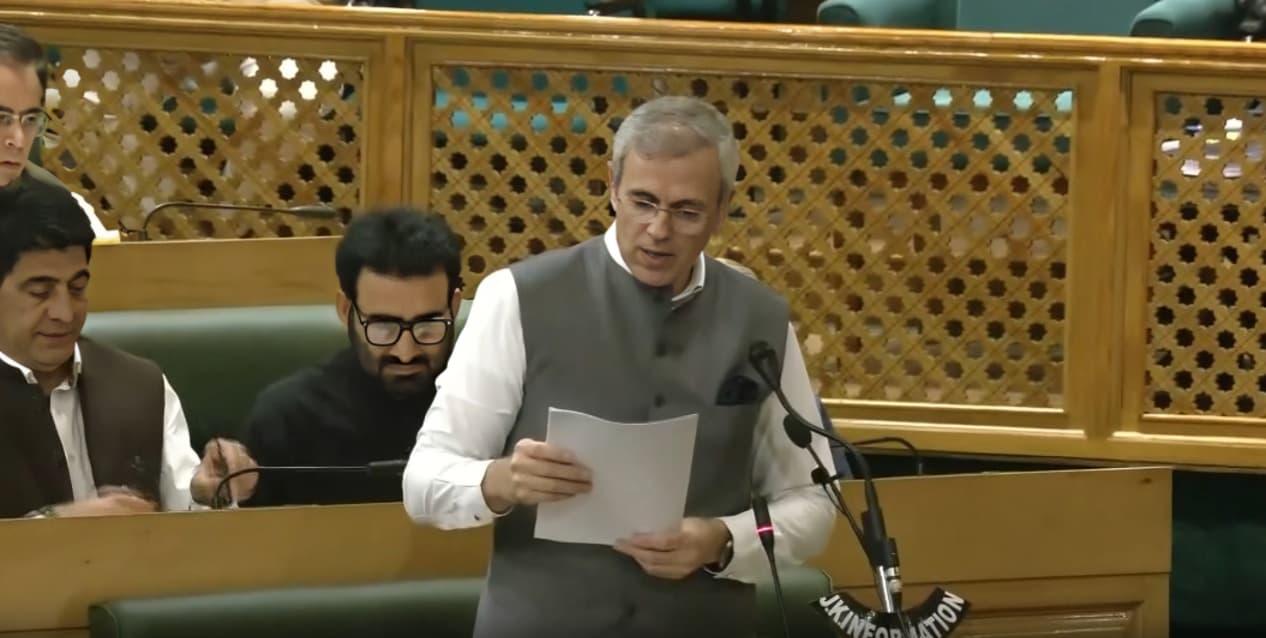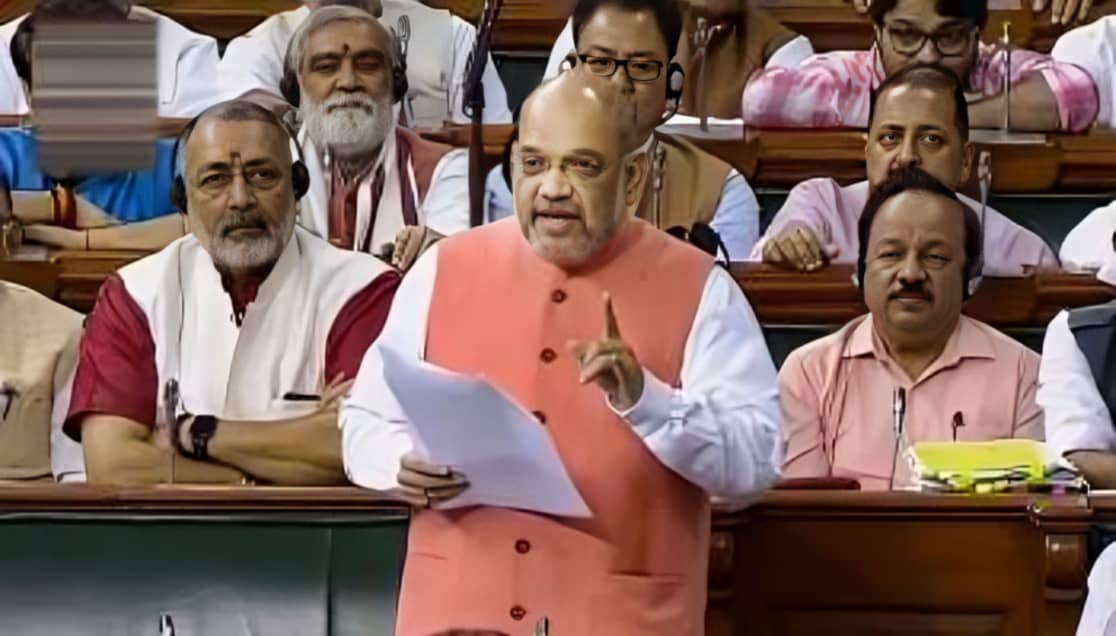

The Central Government is expected to introduce the Foreign Contribution Regulation Act Amendment Bill in the Lok Sabha during the upcoming parliamentary session, according to sources familiar with the legislative agenda. Union Home Minister Amit Shah is expected to present the proposed Bill and respond to the discussion when it is taken up for debate in the House.
The proposed legislation is anticipated to amend provisions of the Foreign Contribution Regulation Act, commonly known as the FCRA. The Act governs the acceptance and utilization of foreign contributions by individuals, associations, trusts, non-governmental organizations, educational institutions, and other entities operating in India.
Although the complete text of the proposed amendments has not yet been made public, sources indicate that the Bill is intended to strengthen the existing regulatory framework governing foreign funding. The government is expected to outline the objectives and scope of the proposed changes once the legislation is formally introduced in Parliament.
The Foreign Contribution Regulation Act serves as the primary legal framework for monitoring foreign financial contributions received by eligible organizations in India. The legislation requires entities receiving foreign funds to obtain registration or prior approval from the Ministry of Home Affairs and to comply with prescribed reporting and financial disclosure requirements.
The Act has undergone several amendments over the years as the government sought to improve transparency, strengthen financial oversight, and ensure that foreign contributions are used only for the purposes for which they are received. Compliance requirements include maintaining designated bank accounts, submitting annual returns, and adhering to restrictions on the transfer and utilization of foreign funds.
Government officials have previously stated that the purpose of the regulatory framework is to promote transparency, accountability, and lawful utilization of foreign contributions while safeguarding national interests. Authorities have maintained that financial oversight helps ensure compliance with Indian laws and prevents misuse of foreign funding.
Organizations covered under the FCRA include charitable institutions, social service organizations, educational bodies, research institutions, cultural associations, and certain non-profit entities that receive financial assistance from foreign sources. Registration under the Act is subject to specified eligibility conditions and regulatory requirements.
The proposed amendment Bill is expected to be discussed in Parliament after its introduction. Members of both Houses may participate in the debate by presenting their views on the objectives, legal implications, and administrative impact of the proposed changes. Following the discussion, the government is expected to respond to issues raised by Members of Parliament before the legislation proceeds through the parliamentary process.
Parliamentary procedure requires that a Bill introduced in the Lok Sabha be debated and considered by the House before any decision is taken. Depending on the nature of the legislation, it may also be referred to a parliamentary committee for detailed examination, although no official announcement regarding such a referral has been made.
If passed by both the Lok Sabha and the Rajya Sabha, the Bill will then be sent to the President of India for assent. After receiving Presidential approval, the amendments would come into force either immediately or from a date notified by the Central Government, depending on the provisions contained in the legislation.
Legal experts note that amendments to the FCRA often attract significant public and policy attention because the law affects a wide range of organizations involved in charitable, educational, developmental, and research activities. Any changes to compliance procedures, registration requirements, or reporting obligations may have implications for institutions receiving foreign contributions.
At present, the proposed amendments remain at the stage of expected introduction, and the government has not officially released the final text of the Bill. Further details regarding its provisions, objectives, and implementation are expected to become available once the legislation is formally tabled in Parliament and accompanying official documents are published.
The introduction of the FCRA Amendment Bill is likely to be one of the important legislative developments during the upcoming parliamentary proceedings, with discussions expected to focus on regulatory oversight, financial transparency, and the governance of foreign contributions in India.