INDIA Bloc to Discuss CEC Gyanesh Kumar Controversy and Alleged Electoral Roll Irregularities
NEW DELHI: Leaders of the opposition INDIA bloc are scheduled to hold a virtual meeting on Thursday evening, October 22, to discuss their strategy regarding the ongoing controversy involving Chief Election Commissioner Gyanesh Kumar and alleged irregularities in the revision of electoral rolls.
Congress president Mallikarjun Kharge is expected to chair the meeting, according to sources cited by news agency ANI. The discussions are expected to focus on the Opposition's campaign against the Election Commission of India and its demand for greater accountability in the electoral process.
The meeting comes amid continuing criticism from opposition parties over the Special Intensive Revision, or SIR, of electoral rolls. Opposition leaders have alleged that the process could result in eligible voters being excluded from electoral lists and have questioned the transparency of the procedures followed by the poll panel.
The opposition alliance has also demanded the resignation of Chief Election Commissioner Gyanesh Kumar. These allegations and demands form part of an ongoing political dispute between the INDIA bloc and the Election Commission.
Special Intensive Revision Under Scrutiny
The Special Intensive Revision is an exercise undertaken to verify and update electoral rolls. Such revisions are intended to improve the accuracy of voter lists by identifying eligible electors, correcting entries and addressing cases involving duplicate or otherwise invalid registrations.
However, opposition parties have raised concerns about how the exercise has been implemented in different states. They have questioned the possibility of eligible voters being left out and called for safeguards to ensure that people are not deprived of their voting rights because of documentation or verification difficulties.
The INDIA bloc has argued that electoral roll revision must be transparent and that eligible voters should have an effective opportunity to check their details, submit objections and seek corrections where necessary.
The Election Commission's role in maintaining accurate electoral rolls is central to the dispute. The Commission is responsible for administering elections and overseeing procedures designed to protect the integrity of the electoral process.
The allegations made by opposition parties should be distinguished from established findings. Whether particular voters were wrongly excluded and whether any procedures were improperly implemented must be assessed through verified records, official responses and relevant legal proceedings.
Opposition Demands Accountability From Election Commission
The controversy has intensified the INDIA bloc's criticism of the leadership of the Election Commission. Opposition parties have called for Chief Election Commissioner Gyanesh Kumar to resign and have discussed possible political and parliamentary steps to pursue their demand.
The alliance has also sought a coordinated response among its constituent parties. The virtual meeting is expected to provide an opportunity for leaders to review their campaign, discuss future protests and consider how to raise their concerns collectively.
The Opposition has argued that public confidence in elections depends on transparent administration and confidence that eligible citizens can exercise their right to vote. Its leaders have called for greater clarity about electoral roll revisions and mechanisms to address complaints from voters.
The Election Commission's responses and any official clarifications regarding the SIR process are important to presenting the issue accurately. The dispute involves both political allegations and questions about the administration of electoral procedures.
Previous INDIA Bloc Meetings and Protests
The planned virtual meeting follows earlier discussions and demonstrations by opposition parties over the electoral process.
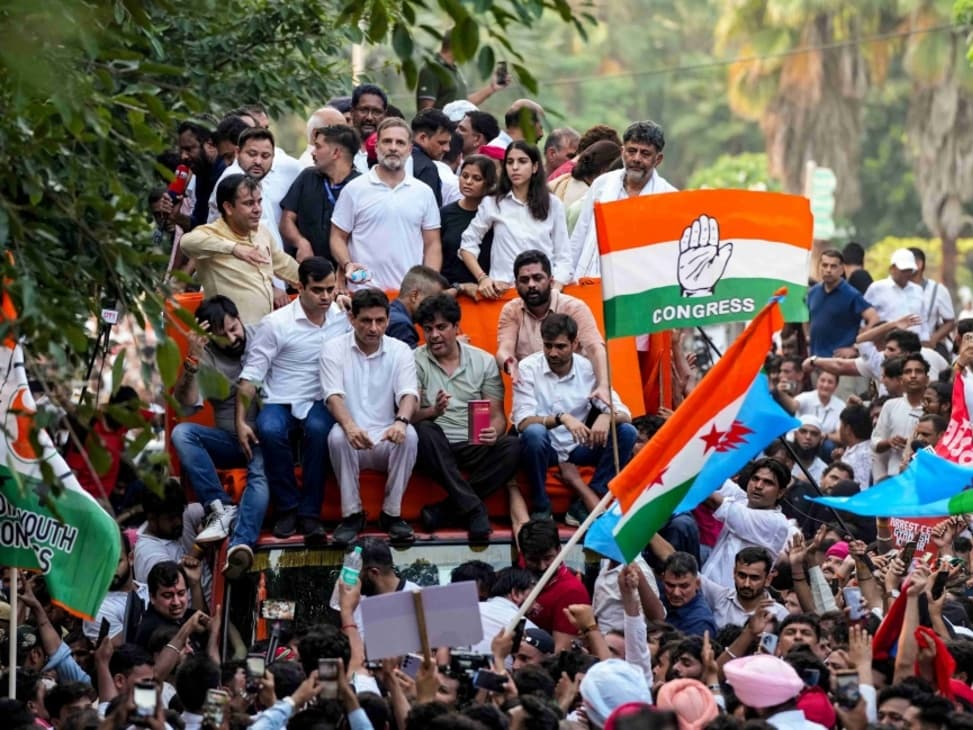
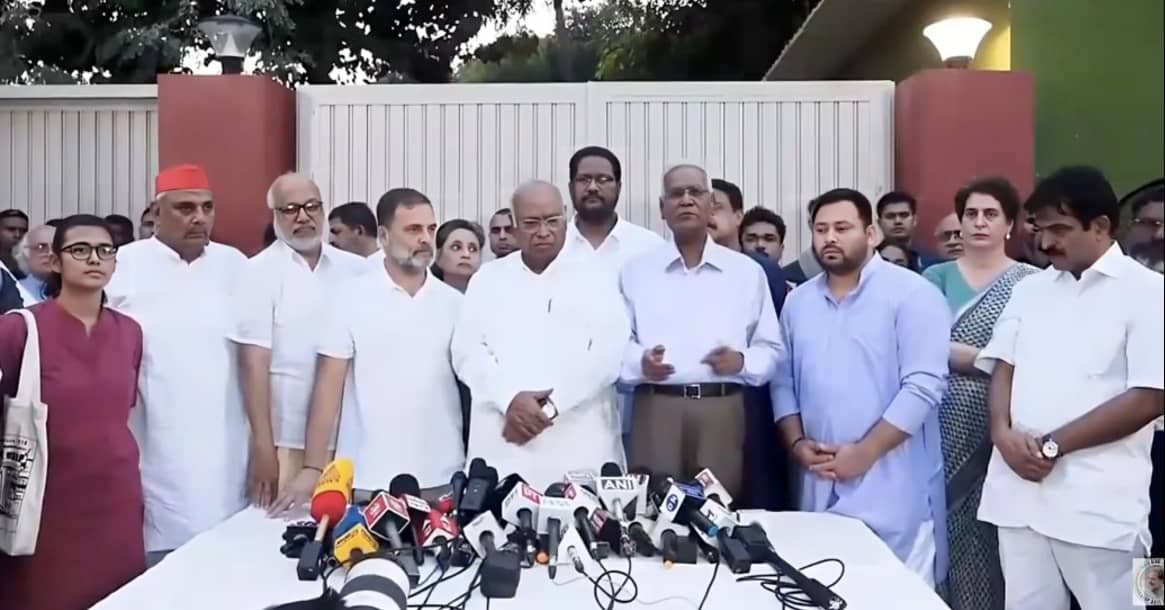
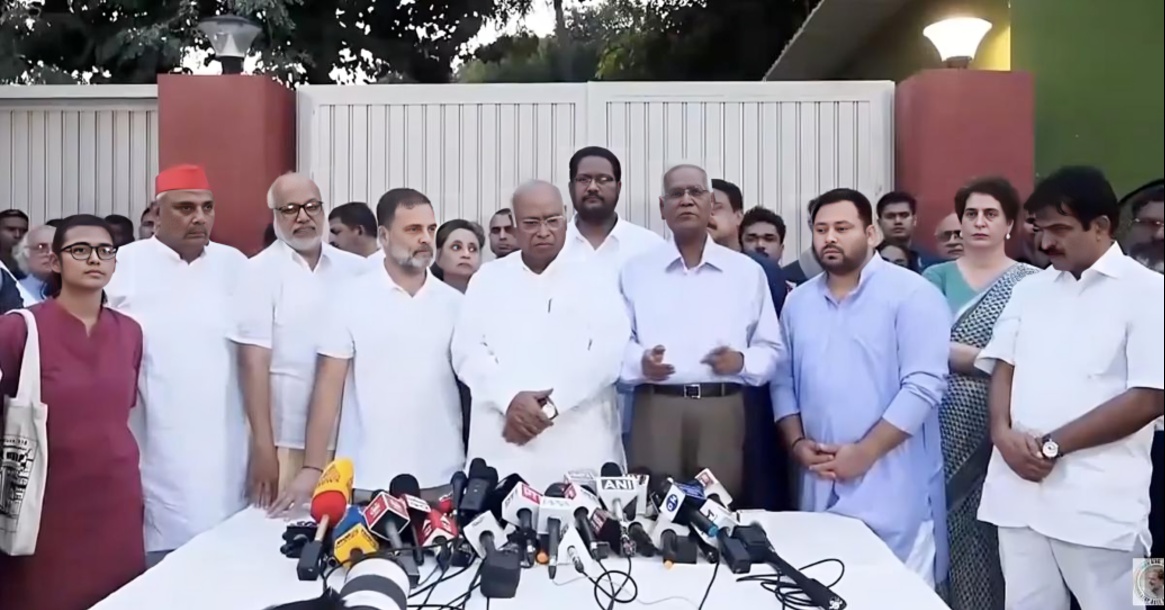
On September 30, INDIA bloc leaders met in New Delhi to discuss a coordinated campaign concerning alleged irregularities in the SIR exercise and their demand for action against the Chief Election Commissioner. Reports following that meeting said the alliance discussed joint protests, legal options and efforts to mobilise public support.
The alliance subsequently pursued demonstrations and other political initiatives to highlight its concerns. Opposition leaders have also sought to raise the matter with constitutional authorities and have called for changes intended to improve transparency in electoral administration.
The campaign has placed the revision of voter lists and the responsibilities of the Election Commission at the centre of a wider political debate. It has also highlighted differences between the Opposition and the poll panel over the implementation and consequences of the revision exercise.
What Is Expected From Thursday's Meeting?
The October 22 meeting is expected to focus on the next phase of the INDIA bloc's response. Leaders may discuss how to coordinate their positions, communicate their demands and decide on further political action.
Kharge's role as chairperson is significant because the Congress is a major constituent of the opposition alliance. Coordinating the positions of multiple parties is likely to be an important part of any joint strategy.
The meeting could also help determine the alliance's approach to future protests and its efforts to seek accountability over the electoral roll revision process. Specific decisions, however, should be confirmed through an official statement from the participating parties.
Electoral Transparency Remains a Key Issue
The dispute has renewed attention on the importance of accurate voter lists and transparent election administration. Electoral rolls determine who is eligible to vote, making the inclusion of eligible citizens and the correction of errors essential parts of the democratic process.
As the INDIA bloc prepares to discuss its next steps, the controversy surrounding the SIR exercise and the Chief Election Commissioner is likely to remain an important political issue. Further developments will depend on the alliance's decisions, the Election Commission's official position and any relevant judicial or institutional findings.
For now, Thursday's virtual meeting is expected to serve as a platform for opposition leaders to review their strategy and discuss their continuing objections to the electoral roll revision process. The outcome will clarify the alliance's next steps in its campaign for greater accountability and transparency.