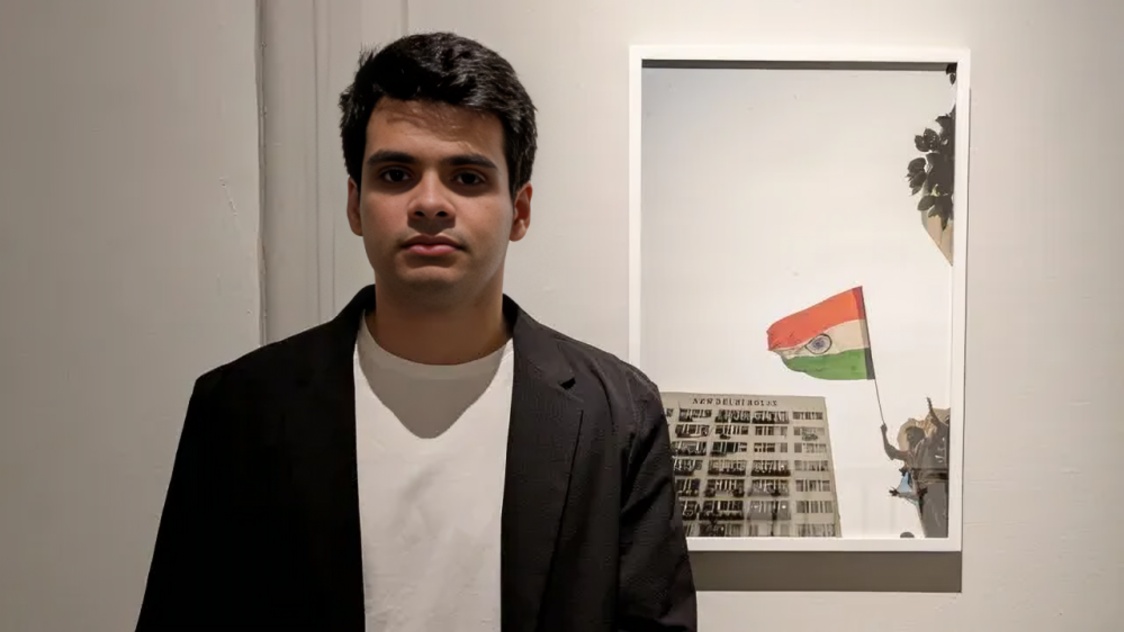
Raihan Vadra Alleges Removal of 74 Protest Photographs From Bikaner House Exhibition
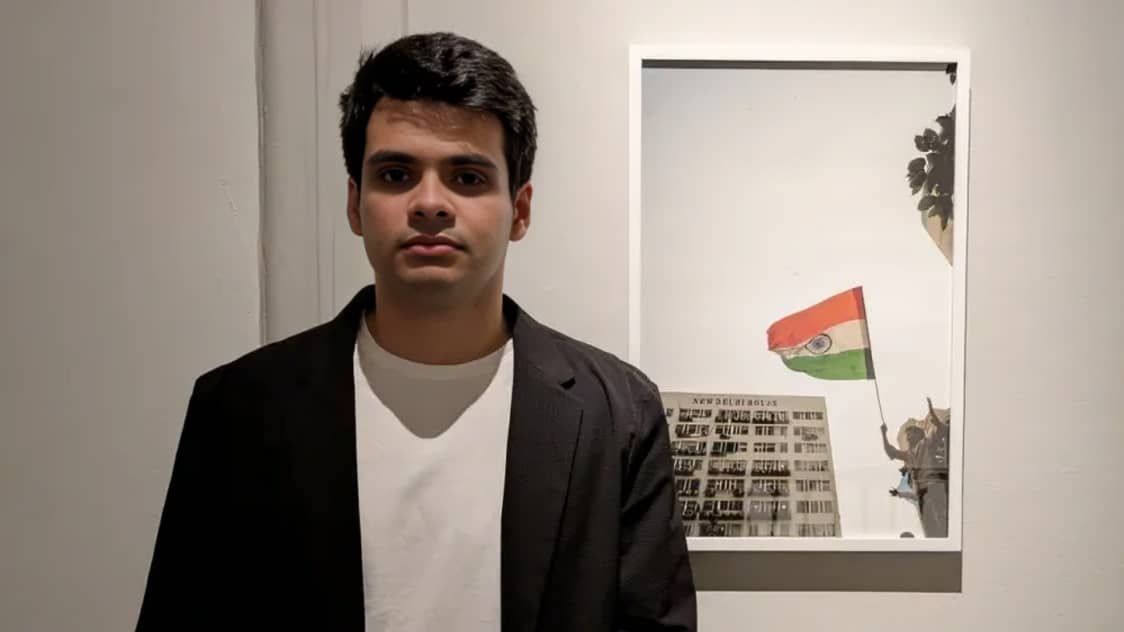
Visual artist and photographer Raihan Vadra has alleged that the management of Bikaner House in New Delhi asked him to remove 74 photographs documenting youth protests from his solo exhibition, No Idea Is Final, shortly before the scheduled opening. Vadra, the son of Congress leader Priyanka Gandhi Vadra, also claimed that he was asked to remove two photographs featuring the Indian national flag, an instruction he said he refused to follow.
The incident has triggered a political controversy, with Congress leaders criticising the reported removal of the photographs and raising concerns about artistic freedom and censorship. The exhibition features a combination of wildlife photography, abstract artworks and images documenting public demonstrations and youth movements.
Raihan Vadra Raises Objections to the Removal
In a social media post on October 21, Vadra alleged that Bikaner House management had asked him to remove a significant portion of the artworks ahead of the exhibition's opening. He said the photographs in question documented youth protests in Delhi and that the venue had reportedly considered their content objectionable.
Vadra also stated that he had refused to remove two photographs featuring the Indian national flag. He maintained that the exhibition should be able to present the images documenting public events and protests.
According to a report by NDTV, Vadra said he had been asked to remove 75 of the 105 photographs originally planned for display or face the possibility of the exhibition being cancelled. He subsequently said that 74 photographs had been removed. He also alleged that the management had raised concerns about the timing and context of displaying the images.
Vadra said he had shared the exhibition layout with the venue management in advance. He questioned why objections were raised shortly before the scheduled opening, rather than during the earlier planning process.
These statements represent Vadra's account of the dispute. The circumstances surrounding the removal of the photographs have not been independently established in the reports available.
Congress Leaders Criticise the Decision
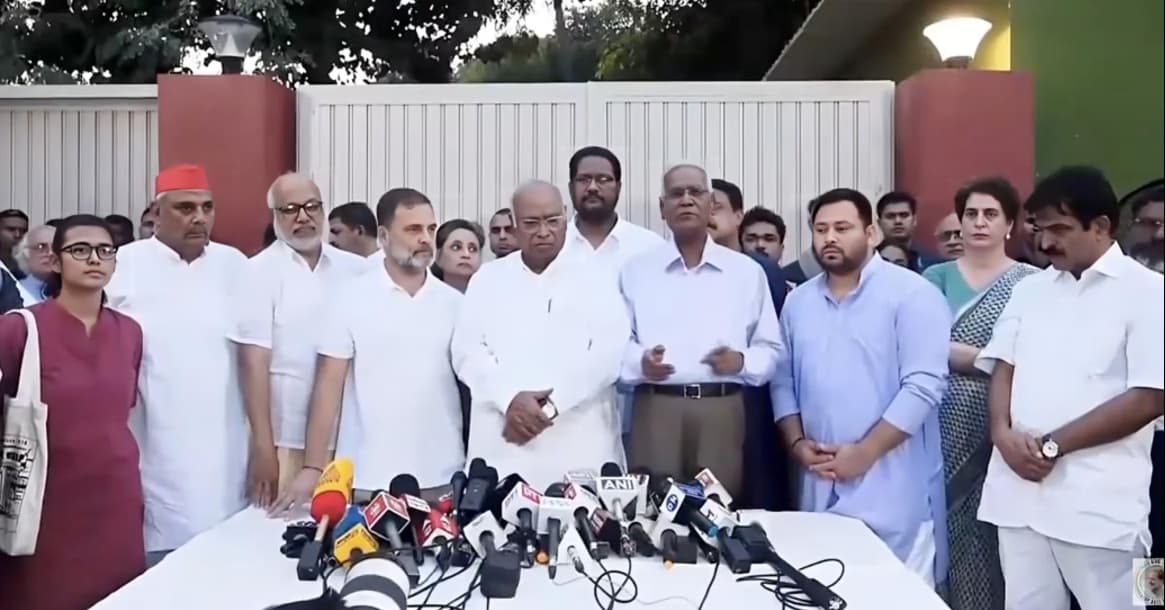
The reported removal drew criticism from Congress leaders, who questioned why photographs documenting protests had been considered unsuitable for display.
Congress leader Pawan Khera criticised the move in a post on social media platform X. He argued that removing photographs of demonstrations raised questions about freedom of expression and the ability of artists to document political and social developments.
Congress MP Karti Chidambaram also criticised the reported actions of the Bikaner House administration. His comments added to the opposition party's concerns over the circumstances in which the artworks were removed.
The Indian Youth Congress Legal Cell also responded to the controversy on social media, accusing the authorities of attempting to restrict the presentation of protest-related images.
The criticism has broadened the issue beyond the exhibition itself, prompting debate about the role of public cultural venues in displaying works that document politically sensitive events.
What Is the Exhibition About?
No Idea Is Final is a solo exhibition by Vadra featuring different forms of visual art. Alongside wildlife photography and abstract works, the exhibition includes photographs documenting youth movements and demonstrations.
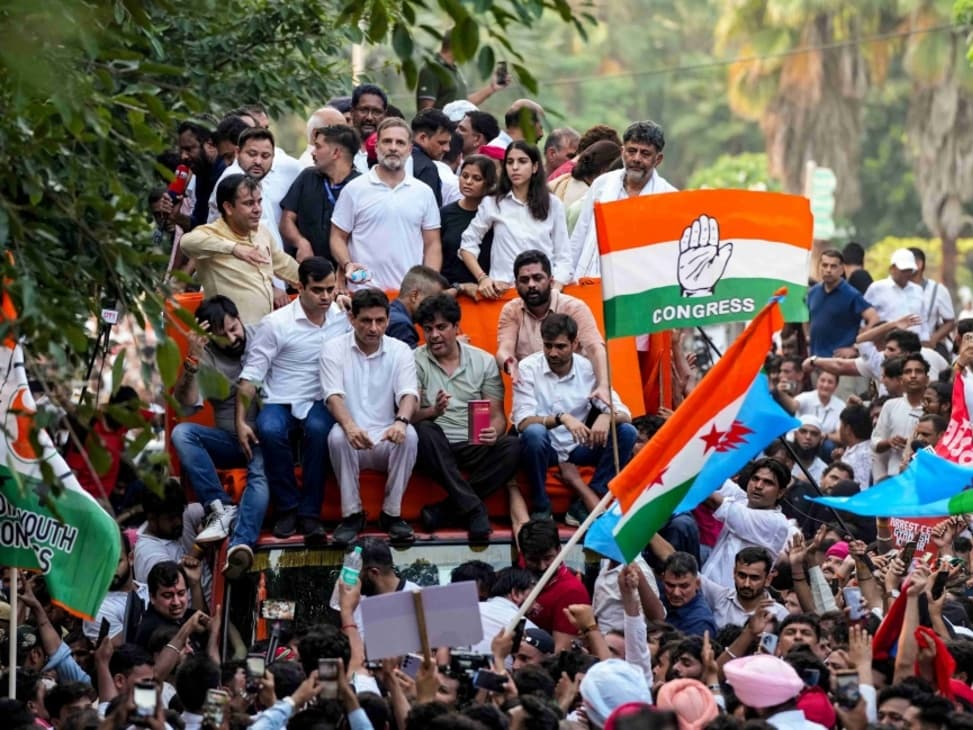
The protest photographs were intended to capture public gatherings and the atmosphere surrounding recent demonstrations in Delhi. Vadra has described the work as an attempt to document movements taking place around him and to capture the visual character of people coming together.
The reported removal of a large number of photographs has therefore affected a substantial part of the planned display. Despite the dispute, the exhibition proceeded with the remaining artworks.
Vadra has also indicated that he intends to find another venue to display the photographs that were removed. The alternative venue and schedule had not been confirmed in the reports available at the time of publication.
Bikaner House's Response
Bikaner House is a cultural venue in New Delhi associated with the Rajasthan government. The controversy has focused on the management's reported request to remove the photographs before the exhibition opened.
According to reports published on October 22, the venue's management had not issued a public response to the allegations at the time those reports were filed. The reasons behind the decision, including the application of venue policies, therefore require further clarification from the authorities.
An official response could help establish the management's position and explain the process used to assess the exhibition's contents.
Debate Over Art and Freedom of Expression
The incident has renewed discussion about the relationship between art, politics and freedom of expression. Artists often document demonstrations and public events as a way of preserving visual records of contemporary society. When such works are removed from public displays, questions may arise about the criteria used by cultural institutions to decide which works can be exhibited.
At the same time, the specific circumstances of this dispute remain contested, and the allegations should be distinguished from any verified findings or official explanation.
The next developments are likely to depend on whether Bikaner House management responds publicly and whether Vadra confirms arrangements to display the removed photographs elsewhere.
For now, the exhibition controversy has drawn attention to the challenges artists may face when presenting work that documents politically sensitive events. The dispute also highlights the importance of transparent communication between artists and exhibition venues when concerns about content arise.