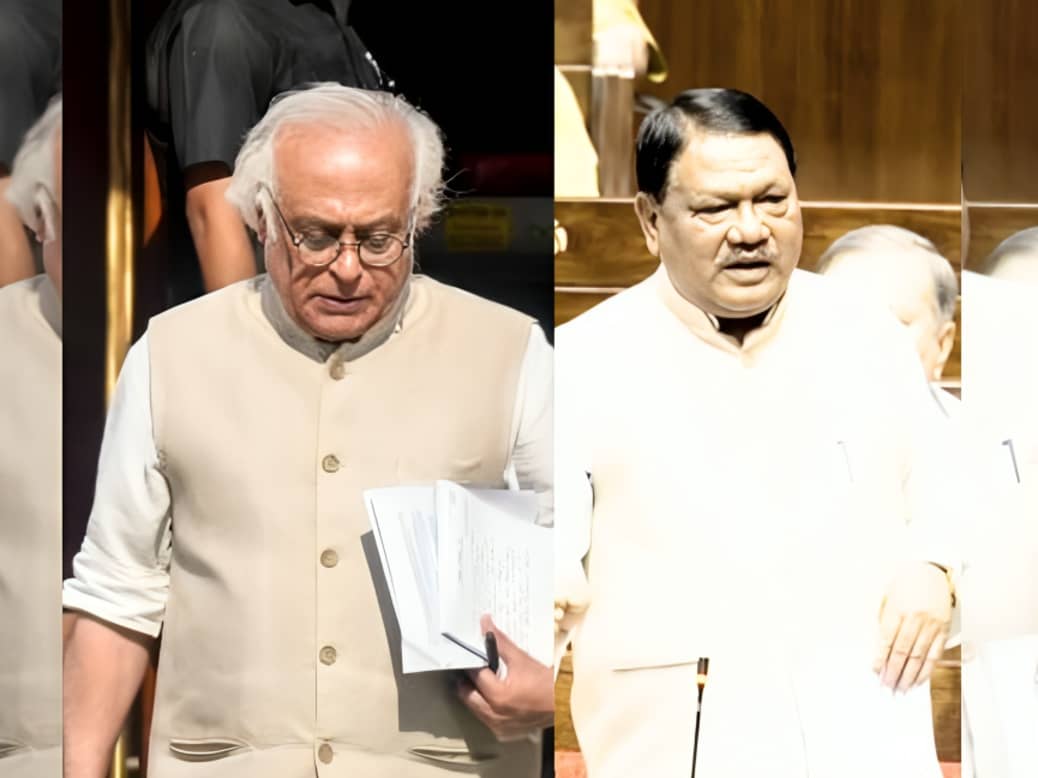

Congress leader Jairam Ramesh has expressed serious concerns regarding the environmental and tribal implications of the proposed Great Nicobar Island Project. In a letter written to Union Tribal Affairs Minister Jual Oram, Ramesh alleged that the project has been granted clearance in violation of the provisions of the Forest Rights Act and could negatively impact the indigenous tribal communities living on the island.
The Great Nicobar Island Project is considered one of India’s major infrastructure initiatives and includes plans for a transshipment port, airport, township development, and power infrastructure. The project aims to improve strategic and economic connectivity in the Andaman and Nicobar Islands region. However, environmental experts and tribal rights activists have repeatedly raised concerns about its impact on forests, biodiversity, and indigenous communities.
In his letter, Jairam Ramesh stated that the project area falls within ecologically sensitive zones and is home to the Shompen and Nicobarese tribes. He argued that the rights of these communities under the Forest Rights Act have not been adequately protected. According to him, the mandatory procedures required before granting environmental and forest clearances were not fully followed.
The Forest Rights Act was enacted to recognize and protect the rights of forest-dwelling tribal communities and other traditional forest inhabitants. It requires authorities to ensure that local communities are consulted and their consent obtained before implementing projects that may affect their land and livelihood. Ramesh claimed that these legal safeguards may have been overlooked in the case of the Great Nicobar development plan.
The Shompen tribe is classified as a Particularly Vulnerable Tribal Group and is known for its isolated lifestyle in the forests of Great Nicobar Island. The Nicobarese community also has a long-standing cultural and traditional connection with the region. Concerns have been raised that large-scale construction activities could disturb their habitat and traditional way of life.
Ramesh urged the Ministry of Tribal Affairs to examine the matter carefully and take immediate action if any violations are found. He requested the ministry to ensure that constitutional protections and tribal rights are upheld before the project proceeds further.
Supporters of the Great Nicobar project argue that it is important for India’s strategic interests and economic development. They believe the project could improve maritime trade, tourism, and regional infrastructure. At the same time, critics maintain that development should not come at the cost of ecological damage and displacement of indigenous populations.
The issue has once again highlighted the ongoing debate between infrastructure development and environmental conservation in India. Experts believe that balancing economic growth with the protection of biodiversity and tribal rights remains a major challenge for policymakers.
As discussions continue, the response of the Ministry of Tribal Affairs and other concerned authorities will be closely watched. The matter is expected to remain a significant topic in political and environmental circles in the coming weeks.