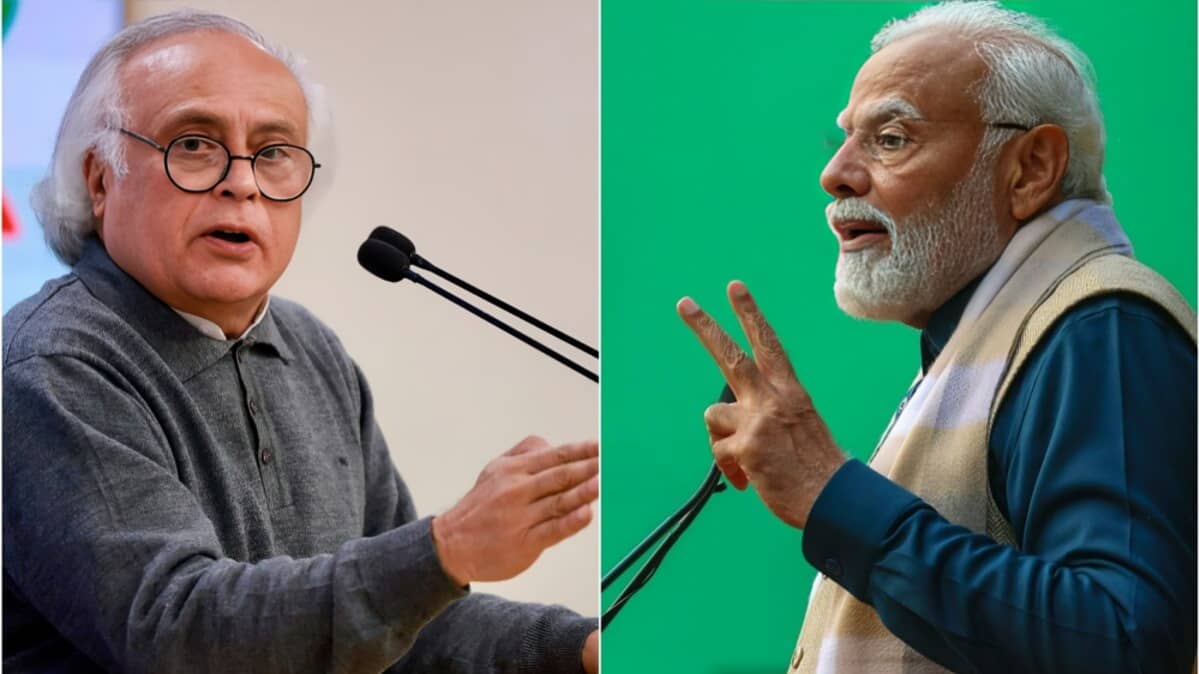

Senior Congress leader Jairam Ramesh has expressed strong views on the issue of former party members returning to the Congress after joining the Bharatiya Janata Party. Speaking on the matter, Ramesh said that leaders who chose to leave the Congress, especially younger politicians who had received opportunities and support from the party, should not be allowed to return.
According to Ramesh, individuals who built their political careers within the Congress and later joined a party with a different ideological foundation should not expect to be welcomed back. He argued that permitting their return would send the wrong message to loyal party workers and leaders who remained committed to the Congress during challenging political periods.
The Congress leader stated that many party members have continued to work for the organization despite electoral setbacks and political difficulties. He emphasized that these individuals stayed with the party because of their belief in its principles, policies, and historical legacy. In contrast, he suggested that some leaders who left the party were motivated primarily by political opportunities and positions of power.
Ramesh also highlighted the importance of ideological commitment in political life. He said that political parties are built not only on electoral success but also on shared values and long-term dedication. According to him, leaders who move between parties with opposing political ideologies raise questions about their commitment to those principles.
The issue of party defections has remained a significant topic in Indian politics over the years. Leaders from various political parties have occasionally switched affiliations, often citing political differences, organizational concerns, or changing political circumstances. Such moves frequently trigger debates about political loyalty, ideology, and the role of personal ambition in public life.
Within the Congress, discussions about rebuilding the organization and strengthening its cadre base have gained importance in recent years. Party leaders have repeatedly stressed the need to develop a committed leadership structure capable of advancing the party's political agenda across the country.
Ramesh's comments reflect a broader debate within political organizations about whether former members who left should be given another opportunity to return. Supporters of a strict approach argue that loyalty and ideological consistency should be rewarded, while others believe experienced leaders can contribute regardless of their past political choices.
Political analysts note that statements such as these are often aimed at reinforcing party discipline and boosting the morale of grassroots workers. By emphasizing commitment and ideological conviction, party leaders seek to strengthen organizational unity and maintain confidence among supporters.
The remarks are also likely to spark discussion among political observers and party members regarding the future approach of the Congress toward former leaders who may seek re-entry into the organization. While no official policy change has been announced, Ramesh's comments indicate a strong preference for prioritizing loyalty and long-term commitment within the party.
As political competition continues to evolve across India, questions surrounding party loyalty, ideological identity, and leadership commitment are expected to remain central themes in public and political discourse.