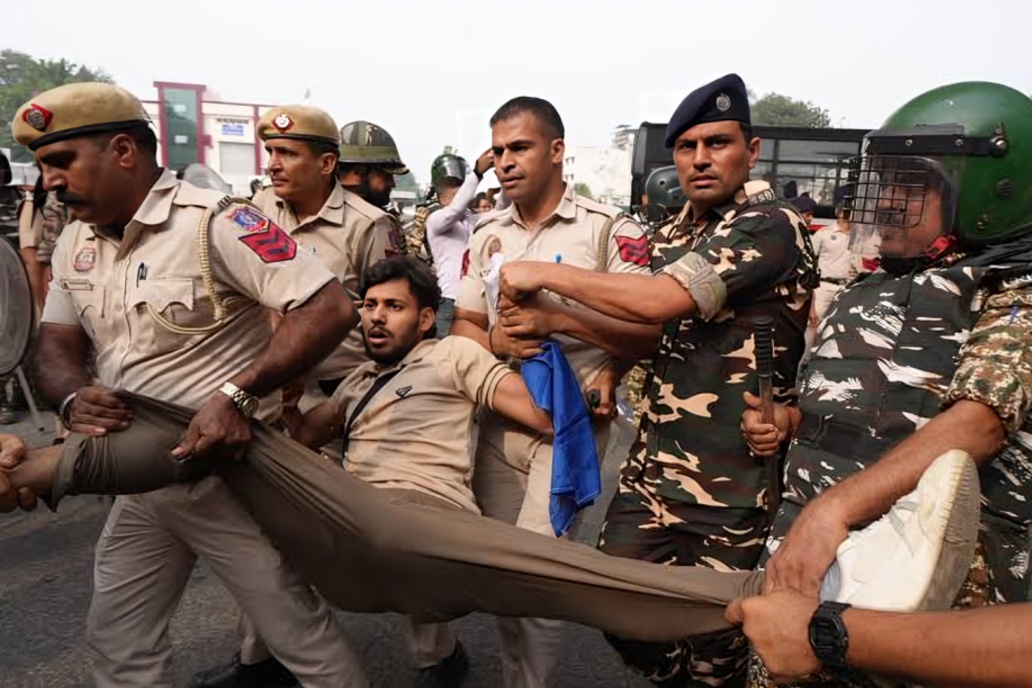
Former Tamil Nadu BJP president K Annamalai has criticised Delhi Police over its recent action against members of the Cockroach Janata Party, commonly known as CJP. Speaking to reporters in Coimbatore on October 20, 2026, Annamalai defended the organisation’s right to raise questions about electoral roll revisions, even though he said he did not necessarily agree with all its protest methods.
Annamalai described the police action as a “real disservice” and argued that arresting protesters could strengthen their leaders politically instead of addressing the issues they had raised. His comments came amid continuing protests over the Special Intensive Revision of electoral rolls and the detention of CJP leaders.
According to reports by the Press Trust of India and India Today, Annamalai said the government should respond to substantive public questions rather than rely on arrests. He also expressed concern about the handling of the case and the wider implications for democratic debate.
Annamalai Questions Police Action
Annamalai said that disagreement with a protest organisation’s methods should not prevent its members from raising questions about matters of public interest. He maintained that the issues raised by CJP deserved a response from the government.
While criticising the arrests, he warned that keeping political leaders in custody could increase their public visibility and support. In his view, such measures might produce the opposite of the intended result by strengthening the movement associated with the detained leaders.
His remarks focused on the distinction between the questions being raised by protesters and the methods used to express their demands. Annamalai said he supported CJP regarding the issues it wanted to raise, despite his reservations about its tactics.
He also expressed concern about the conduct of the police and the legal proceedings involving the organisation’s members. These comments reflected his assessment of the situation and did not constitute a judicial finding about the legality of the police action.
CJP Protests Over Electoral Roll Revision
The Cockroach Janata Party has been involved in protests concerning the Special Intensive Revision, or SIR, of electoral rolls. The process has become a subject of political debate, with protesters raising questions about voter registration and the possibility of eligible voters being removed from electoral lists.
CJP members have demanded accountability over the revision process and questioned the role of the Chief Election Commissioner. The protests have included demonstrations in Delhi, where police action and the detention of members have attracted attention from political leaders and media organisations.
The Election Commission’s position, as reported by Reuters, is that eligible voters whose names have been wrongly deleted can apply for re-enrolment. The broader dispute centres on concerns raised by protesters and political opponents, alongside the authorities’ explanation of the electoral process.
The allegations and concerns raised by protesters should be distinguished from independently established findings. Assessing the accuracy of claims about voter deletions requires examination of official electoral records, applicable procedures and the responses of the relevant authorities.
Judicial Custody of CJP Leaders
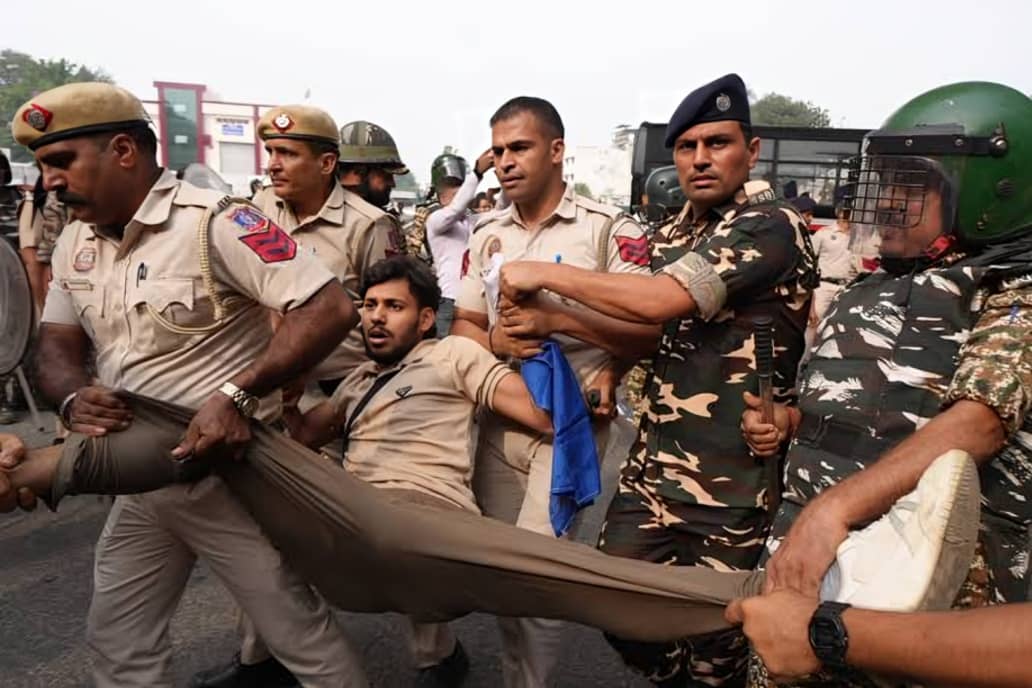
The controversy intensified after CJP leaders Saurav Das and Ashutosh Ranka were detained in connection with a protest in Delhi. According to India Today, the leaders were taken into custody after entering Jantar Mantar, which was not a designated protest venue at the time, and allegedly obstructing police personnel on duty.
A Delhi court subsequently extended their judicial custody by two days, according to the same report. Their detention became a central issue in the debate over the police response to the protests.
The circumstances of the arrests, the reasons cited by the police and the decisions made during court proceedings are relevant to understanding the case. However, criticism of the police by political leaders should not be treated as proof that the authorities acted unlawfully. The legality of any action must be assessed through the relevant evidence and judicial process.
Annamalai expressed concern about the handling of the case and argued that the authorities should focus on answering the questions raised by CJP. He warned that keeping leaders in prison could make them more popular.
Annamalai on Rahul Gandhi and the SIR Process
During the same interaction with reporters, Annamalai also commented on Congress leader Rahul Gandhi’s criticism of the Special Intensive Revision of electoral rolls.
Annamalai said Gandhi had every right to question the SIR process but cautioned that institutional damage should be avoided. His statement reflected a distinction between the right to question an official process and the importance of preserving public institutions.
The remarks placed Annamalai’s position within the broader political debate over electoral administration. While questions about voter lists and revision procedures are matters of public interest, claims about irregularities must be examined against verified information and official responses.
The controversy has highlighted competing concerns about the conduct of protests, the enforcement of law and the public’s ability to question government decisions. It has also brought renewed attention to the responsibilities of law enforcement agencies when handling demonstrations and the importance of due process.
Wider Political Implications
Annamalai’s intervention has added another political voice to the discussion surrounding CJP’s protests. His comments suggest that disagreements over protest tactics should be considered separately from the substance of the questions being raised.
He argued that arrests alone would not resolve concerns about electoral roll revisions. Instead, he called for the government to respond to substantive questions and warned that continued detention could have unintended political consequences.
The episode has renewed debate over democratic participation, electoral transparency and the handling of protests in the national capital. The outcome of the legal proceedings involving CJP members, together with further responses from Delhi Police and the Election Commission, will be important in understanding how the dispute develops.
As of October 21, 2026, Annamalai’s comments represent his public position on the issue. The allegations raised by protesters, the police’s explanation for its actions and the findings of the courts should be considered separately when assessing the controversy.