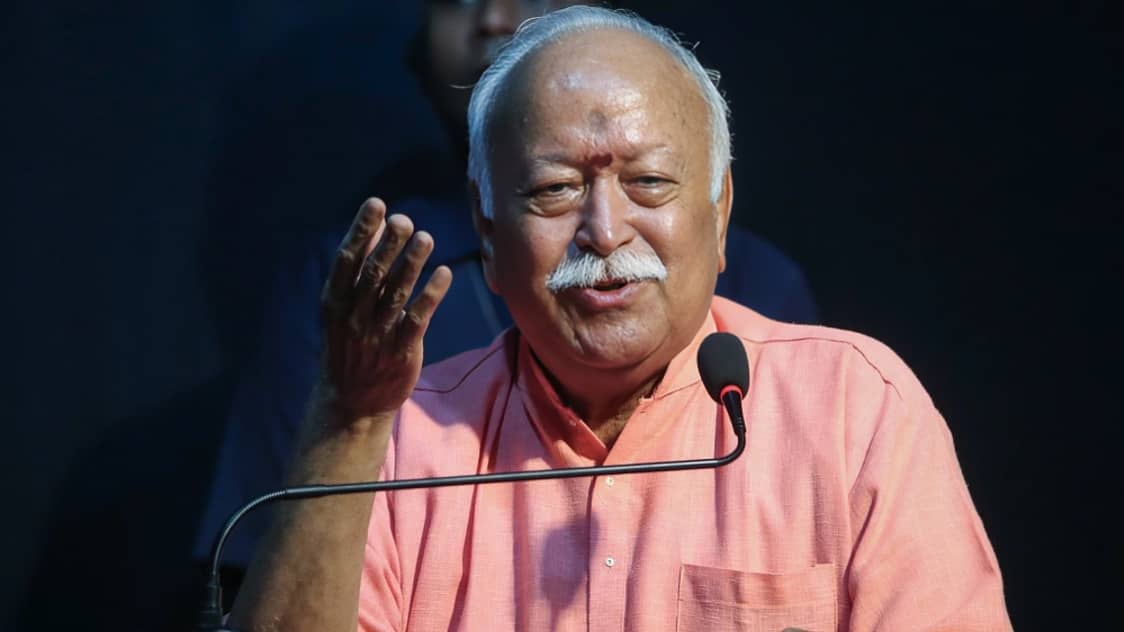
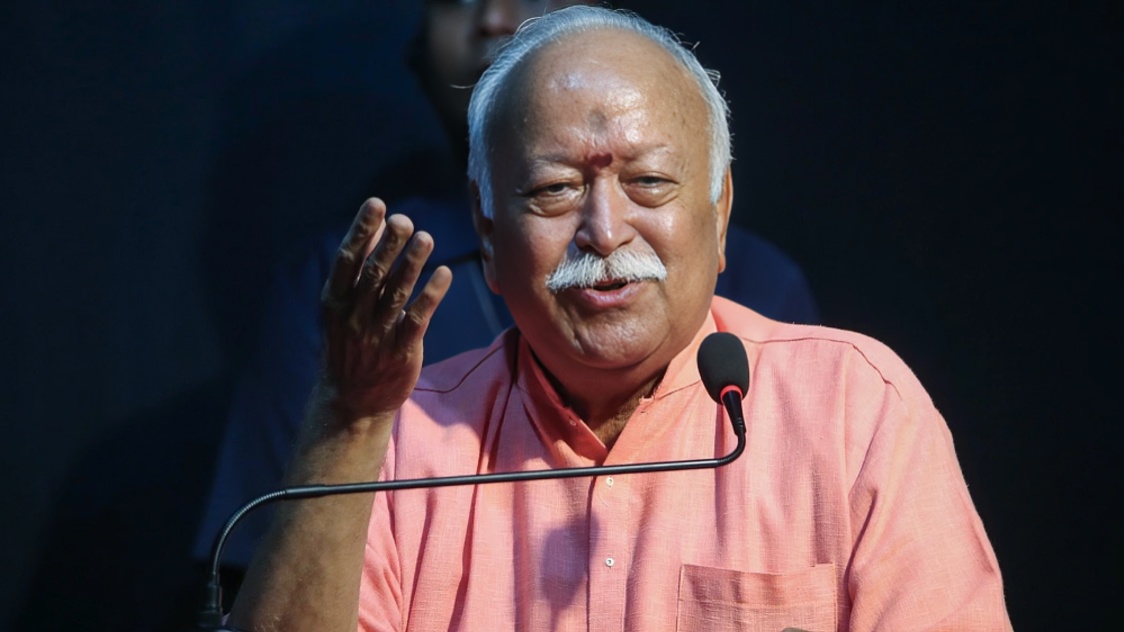
Rashtriya Swayamsevak Sangh chief Mohan Bhagwat has said that protests alone cannot resolve every social problem and stressed the need for dialogue, public participation and collective responsibility. Delivering his annual Vijayadashami address in Nagpur on October 20, 2026, Bhagwat discussed social challenges, national unity, international developments, substance abuse and concerns about content available through online streaming platforms.
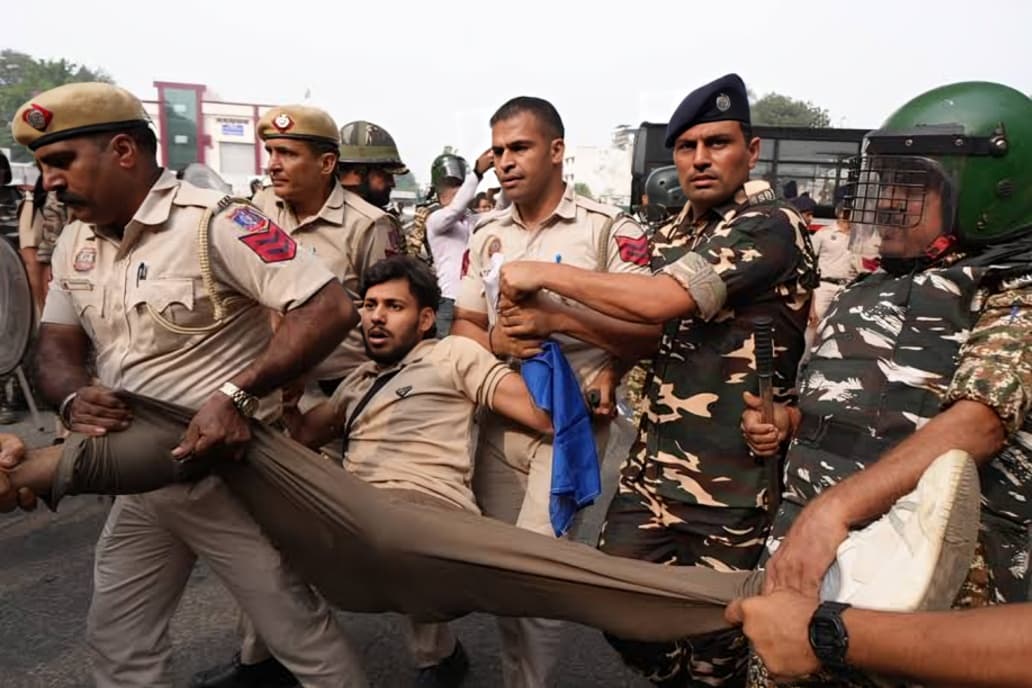
Bhagwat acknowledged that protests are an accepted part of a democracy. However, he argued that demonstrations should aim to address problems rather than create hostility, bitterness or divisions among communities. He said governments, political leaders, protest organisers and members of the public all had a responsibility to ensure that their actions contributed to solutions.
His remarks came amid political demonstrations and debates over electoral reforms and other public issues. Bhagwat maintained that changing a government would not automatically resolve underlying social and administrative problems.
Bhagwat Emphasises Dialogue and Constructive Protest
In his address, Bhagwat said that a protest should have a clear objective: finding a solution to the issue that prompted it. He cautioned that demonstrations could become counterproductive if they encouraged hostility between groups or undermined public order.
According to Bhagwat, neither the government nor protest movements could resolve every social problem independently. He argued that meaningful change also required participation from communities, civil society organisations and individuals.
He called on political leaders and protest organisers to consider the wider consequences of their actions. At the same time, his remarks acknowledged that protests would continue to take place in a democratic society where people have concerns about policies and public administration.
Bhagwat's position was that the focus should remain on addressing grievances through constructive engagement rather than allowing disagreements to deepen divisions.
Warning About International Influence
Bhagwat also expressed concern that international forces could exploit domestic grievances to create instability in India. Referring to developments in countries including France, Bangladesh and Nepal, he suggested that unrest and political change in different parts of the world should be examined carefully.
He warned that social issues could be used to encourage feelings of injustice, isolate groups and weaken public confidence in institutions. He urged people to remain alert to attempts to create conflict and stressed the importance of maintaining national unity.
These comments reflected Bhagwat's assessment of international developments. His remarks did not, by themselves, establish that particular protests in other countries had been organised by foreign actors.
He argued that India should continue its development while remaining alert to threats that could undermine social cohesion. Bhagwat also stressed that people from different castes, religions and communities should work together to preserve unity.
National Unity and Social Responsibility
A central theme of Bhagwat's address was the need to prevent social and political disagreements from becoming sources of lasting division. He said that issues affecting particular communities could be used to encourage resentment or create an atmosphere of distrust.
Bhagwat called for people to protect the country's social fabric and ensure that their actions remained within constitutional and legal boundaries. He also emphasised the importance of dialogue between communities and responsible conduct during periods of heightened public emotion.
His remarks placed responsibility on multiple groups, including the government, political organisations, protest leaders and members of society. The broader message was that resolving public grievances requires more than demonstrations or changes in political leadership.
The speech also highlighted the importance of balancing national development with social harmony, environmental responsibility and respect for India's diversity.
Bhagwat Raises Concerns About Substance Abuse
Bhagwat described substance abuse as a serious national problem and called for greater attention to its effects on young people and society.
Substance abuse can affect physical health, family relationships, education, employment and community wellbeing. Addressing it generally requires cooperation among families, educational institutions, healthcare providers, law enforcement agencies and public authorities.
Bhagwat's comments highlighted the need for coordinated action and greater awareness. His speech presented the issue as a social challenge requiring attention beyond the work of government agencies alone.
He urged society to recognise the risks associated with substance abuse and encouraged a collective approach to prevention. The remarks added to the broader discussion about youth wellbeing, social responsibility and the need to protect young people from harmful influences.
Proposal to Examine Online Streaming Content
Another issue raised in the address was the availability of content on over-the-top streaming platforms, commonly known as OTT services.
Bhagwat suggested that the government consider whether India could introduce stronger restrictions or oversight concerning certain types of information and entertainment content accessible to young people. He referred to approaches adopted in some Western countries and argued that the potential effects of online content deserved attention.
OTT platforms provide access to films, television programmes and other digital material through internet-based services. Discussions about regulating these services often involve questions of age-appropriate access, parental controls, freedom of expression and the responsibilities of content providers.
Bhagwat's suggestion was a proposal for government consideration, not an announcement of a new regulation. Any policy changes would require the relevant authorities to examine the existing legal framework and consider their implications.
Development and Environmental Responsibility
Bhagwat also discussed the relationship between development and environmental protection. Referring to the recent disaster in Nepal, he argued that development focused mainly on material growth and consumption could create serious environmental risks.
He highlighted the importance of balancing infrastructure development with ecological protection, particularly in environmentally sensitive regions such as the Himalayas.
The Himalayan region extends across several countries and plays an important role in water resources, biodiversity and the livelihoods of millions of people. Development projects in mountainous areas can raise concerns about landslides, flooding, deforestation and the long-term resilience of local ecosystems.
Bhagwat called for a broader approach to development that considers environmental and ethical responsibilities alongside economic progress.
A Call for Collective Effort
Bhagwat's Vijayadashami address covered a range of subjects, from democratic protests and international developments to youth wellbeing, online content and environmental protection.
His central argument was that social problems require sustained engagement and cooperation rather than reliance on protests or political changes alone. He urged the government, political leaders and communities to work towards solutions while protecting social unity.
The speech also raised questions about how authorities should respond to public grievances, what safeguards may be appropriate for online content and how India can pursue development while addressing social and environmental concerns.
Bhagwat's statements represent the RSS chief's views on these issues. Any proposed policy changes concerning OTT platforms or other matters would depend on subsequent government decisions and the relevant legal processes.