New Delhi May 25
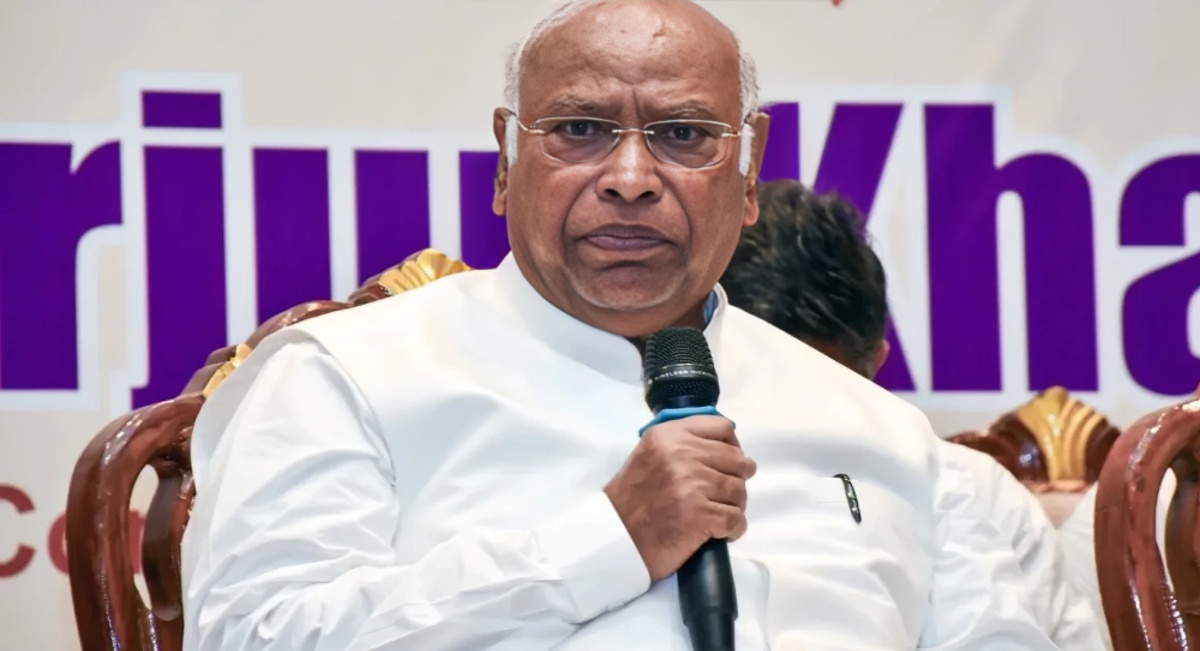
Congress president Mallikarjun Kharge has launched a strong criticism against the central government following the recent increase in petrol and diesel prices in several parts of the country. The fuel price revision has reportedly marked the fourth increase within less than two weeks, raising concerns among consumers and industry sectors.
According to reports, the latest hike in fuel prices has added further pressure on household budgets already affected by inflation and rising living expenses. Petrol and diesel are essential commodities that directly influence transportation, agriculture, logistics and the prices of everyday goods. Economists have often pointed out that repeated increases in fuel prices can lead to a rise in overall inflation.
Reacting to the issue, Kharge alleged that the government’s policies were negatively affecting ordinary citizens. In a statement, he claimed that the repeated hikes were reducing the savings of middle-class and lower-income families. He also questioned the purpose behind the increase and asked who was ultimately benefiting from the rising fuel costs.
Fuel prices in India are influenced by multiple factors including global crude oil prices, taxes imposed by the central and state governments, currency exchange rates and transportation costs. Any fluctuation in international crude oil markets can have a direct impact on domestic fuel rates.
Over the past few years, fuel pricing has remained a politically sensitive issue in India. Opposition parties have frequently criticised the government over rising petrol and diesel rates, while the government has maintained that international market conditions and economic factors play a major role in determining prices.
The latest increase has also sparked concern among transport operators and small business owners. Higher diesel prices often increase freight and logistics expenses, which can eventually affect the prices of food items, vegetables and other essential commodities in local markets.
Several consumer groups and economic experts have urged both the central and state governments to review taxation policies on fuel in order to reduce the burden on the public. Some experts have also suggested that a stable fuel pricing mechanism could help maintain economic balance and consumer confidence.
Meanwhile, the government has not yet announced any immediate relief measures regarding the recent fuel price hikes. Officials continue to monitor global crude oil trends and market conditions that influence domestic pricing.
The issue of fuel prices is expected to remain a major topic of political and public discussion in the coming weeks, especially as rising transportation costs continue to impact households and businesses across the country.