
New Delhi, June 4
Congress President Mallikarjun Kharge has criticised the BJP-led Central Government over issues related to healthcare and nutrition, referring to findings from the National Family Health Survey 6. The senior Congress leader said that the survey data raises important questions about the effectiveness of welfare programmes aimed at women and children.
In a public statement, Kharge alleged that the government has not adequately addressed challenges in the healthcare and nutrition sectors despite implementing several flagship schemes over the years. He argued that data from the latest survey reflects gaps that require urgent policy attention and stronger intervention.
The National Family Health Survey is one of India's most comprehensive health and demographic studies. Conducted periodically across the country, the survey provides detailed information on maternal health, child nutrition, immunisation, family welfare, healthcare access and various social indicators. Policymakers, researchers and public health experts often rely on the survey to assess progress and identify areas requiring improvement.
Kharge claimed that findings related to nutrition and healthcare reveal concerns that should not be overlooked. According to him, the government must focus on strengthening public health infrastructure, improving nutrition support programmes and ensuring better access to healthcare services for vulnerable communities.
The Congress leader also alleged that information highlighting shortcomings in government programmes does not receive adequate public attention. He called for greater transparency and accountability in evaluating the performance of welfare initiatives.
The BJP has not accepted the criticism and has frequently highlighted improvements achieved under various health and social welfare programmes. Government representatives have pointed to expanded vaccination campaigns, increased healthcare coverage and several initiatives aimed at improving maternal and child health outcomes across the country.
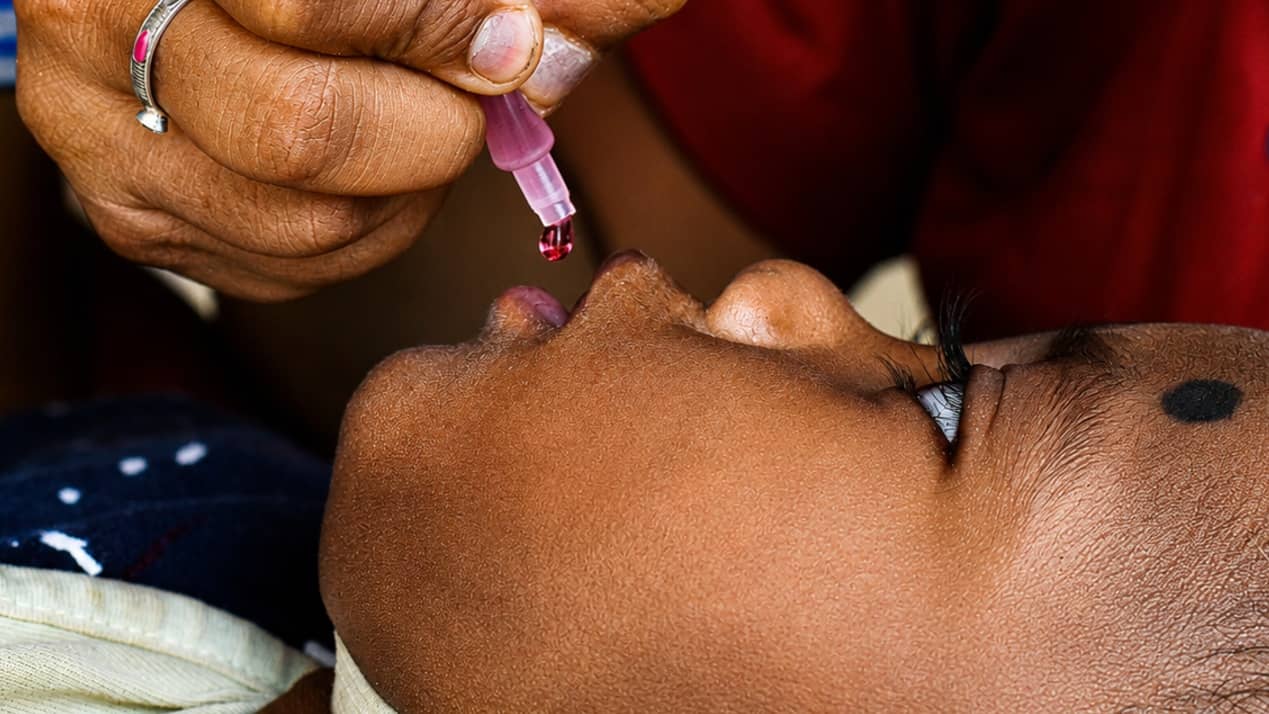
According to available NFHS 6 findings and related health indicators, several areas have shown progress. Improvements have been reported in immunisation coverage, institutional deliveries and access to healthcare services in many states. Public health experts note that while positive trends are visible in several indicators, challenges related to malnutrition, anaemia and healthcare accessibility continue to require sustained policy efforts.
The debate between the ruling party and the opposition reflects broader discussions on the effectiveness of public welfare programmes in India. Healthcare and nutrition remain key policy priorities due to their direct impact on social development and economic growth.
Experts emphasise that survey findings should be viewed as tools for evidence-based policymaking rather than purely political issues. They argue that identifying strengths and weaknesses through reliable data helps governments improve service delivery and target resources more effectively.
The latest exchange between the Congress and the BJP comes as political parties increasingly focus on issues related to public welfare, healthcare and social development. With health and nutrition remaining important concerns for millions of citizens, discussions surrounding survey findings are expected to continue in both political and policy circles.
As policymakers analyse the latest data, the focus is likely to remain on improving healthcare outcomes, reducing malnutrition and ensuring that government welfare schemes reach intended beneficiaries across the country.