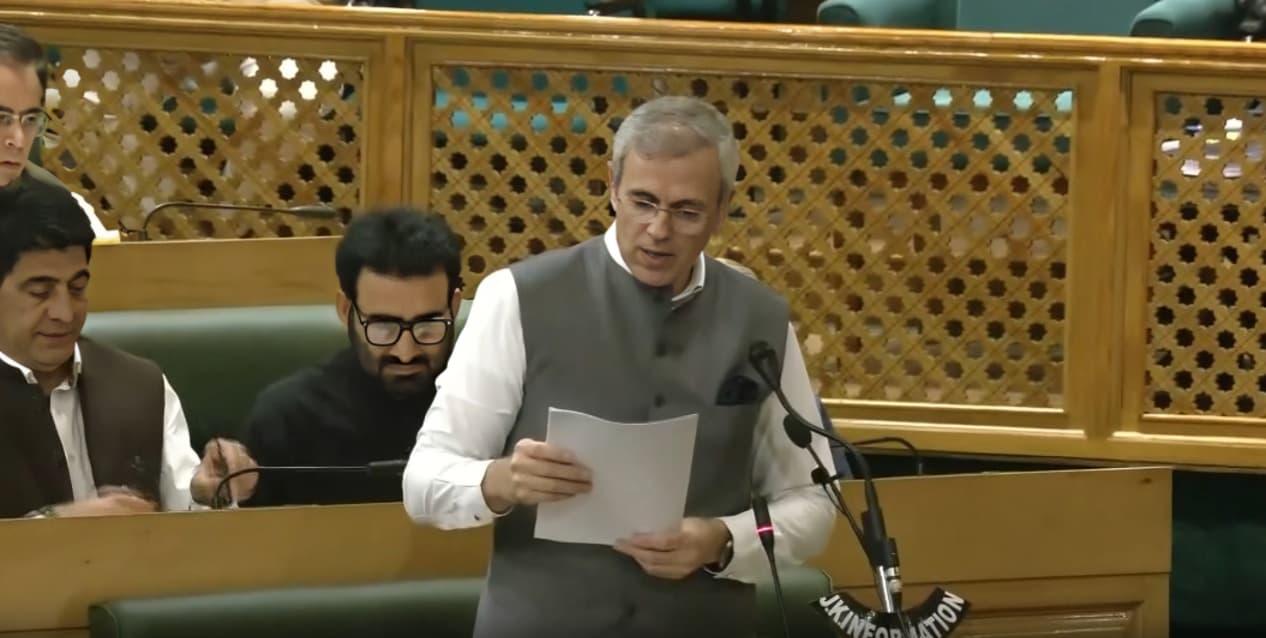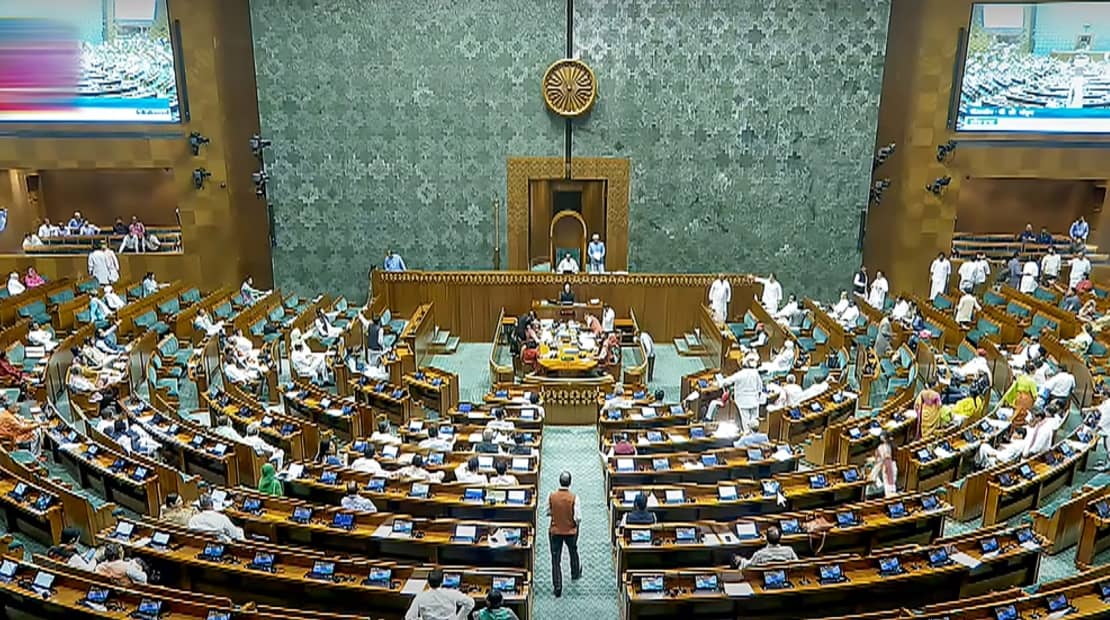

The Lok Sabha has passed the MSME Development Amendment Bill 2026, with the proposed legislation seeking to address one of the long standing concerns faced by micro, small and medium enterprises, delayed payments. The bill introduces measures intended to improve the recovery of payments owed to MSMEs and strengthen mechanisms available to businesses when buyers fail to make payments within the prescribed period.
One of the key provisions of the proposed legislation is the requirement for public sector units to use the Trade Receivables Discounting System, commonly known as TReDS, for payments to eligible MSMEs. The system is designed to help businesses convert their outstanding invoices into funds more quickly by allowing receivables to be financed through participating financial institutions.
Delayed payments can create significant working capital problems for smaller businesses. Unlike larger companies, many MSMEs operate with limited cash reserves and depend on timely payments from customers to meet expenses such as salaries, raw materials, loans and other operating costs. A prolonged delay in receiving payments can therefore affect their ability to continue production and expand their operations.
The bill also proposes to strengthen the legal mechanism for resolving payment disputes. Under the proposed changes, courts would have the power to order interim payments in certain cases involving pending disputes. The provision is intended to provide relief to MSMEs while a dispute is being considered and could help reduce the financial pressure caused by prolonged litigation.
The passage of the bill in the Lok Sabha marks an important step in the government's efforts to improve the business environment for smaller enterprises. The MSME sector plays a significant role in employment generation, manufacturing, services and exports, making timely access to working capital an important factor in sustaining business activity.
The proposed use of TReDS by public sector units is also expected to increase the use of digital mechanisms for managing trade receivables. By bringing more transactions onto an organised platform, the government aims to improve transparency and make it easier for MSMEs to access financing against eligible invoices.
The parliamentary development comes against the backdrop of wider changes in India's trade and economic environment. India's imports from China reportedly reached 131.63 billion dollars during financial year 2025 to 2026. The figure highlights the continued importance of China in India's international trade, particularly for industrial inputs, electronics, machinery and other products.
At the same time, India's exports under free trade agreements have shown strong growth. Exports covered by free trade agreements reportedly increased by 25 percent during the first quarter of financial year 2026 to 2027. The rise indicates growing trade activity with countries and regions where India has negotiated preferential trade arrangements.
The contrasting trade developments underline the importance of strengthening domestic businesses while expanding India's access to international markets. MSMEs form a major part of India's industrial and services ecosystem, and improvements in payment recovery could help businesses manage cash flow more effectively.
For smaller enterprises, receiving payments on time can directly influence their ability to purchase raw materials, retain workers, invest in new equipment and accept additional orders. The proposed amendments are therefore expected to have an impact beyond individual payment disputes by potentially improving the overall financial stability of participating businesses.
The effectiveness of the proposed measures will depend on how the new provisions are implemented and how quickly businesses and public sector organisations adopt the required systems. The functioning of TReDS, awareness among MSMEs and the efficiency of dispute resolution mechanisms will be important factors in determining the practical impact of the legislation.
The bill's passage in the Lok Sabha represents a significant legislative development for India's MSME sector. By focusing on delayed payments, digital receivables financing and interim relief during disputes, the proposed amendments seek to address some of the financial challenges faced by smaller enterprises.
The next stages of the legislative process and the implementation of the provisions will be closely watched by businesses and industry bodies. If effectively implemented, the measures could help MSMEs improve cash flow, reduce the impact of delayed payments and strengthen their ability to contribute to India's economic growth.