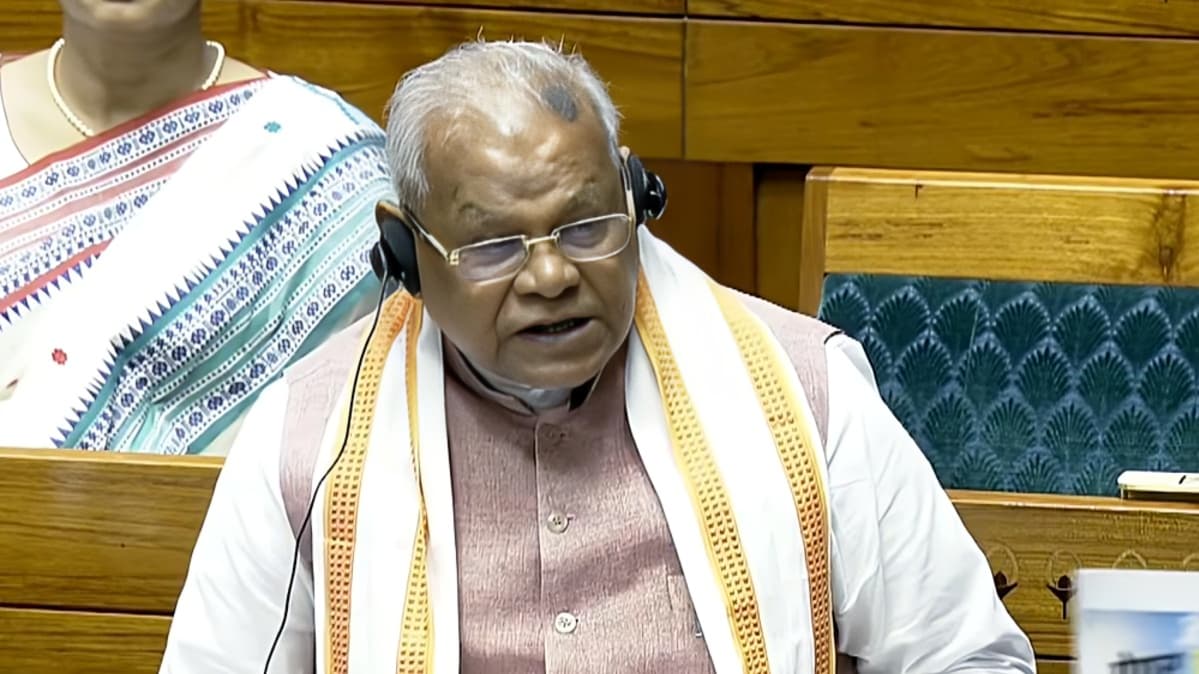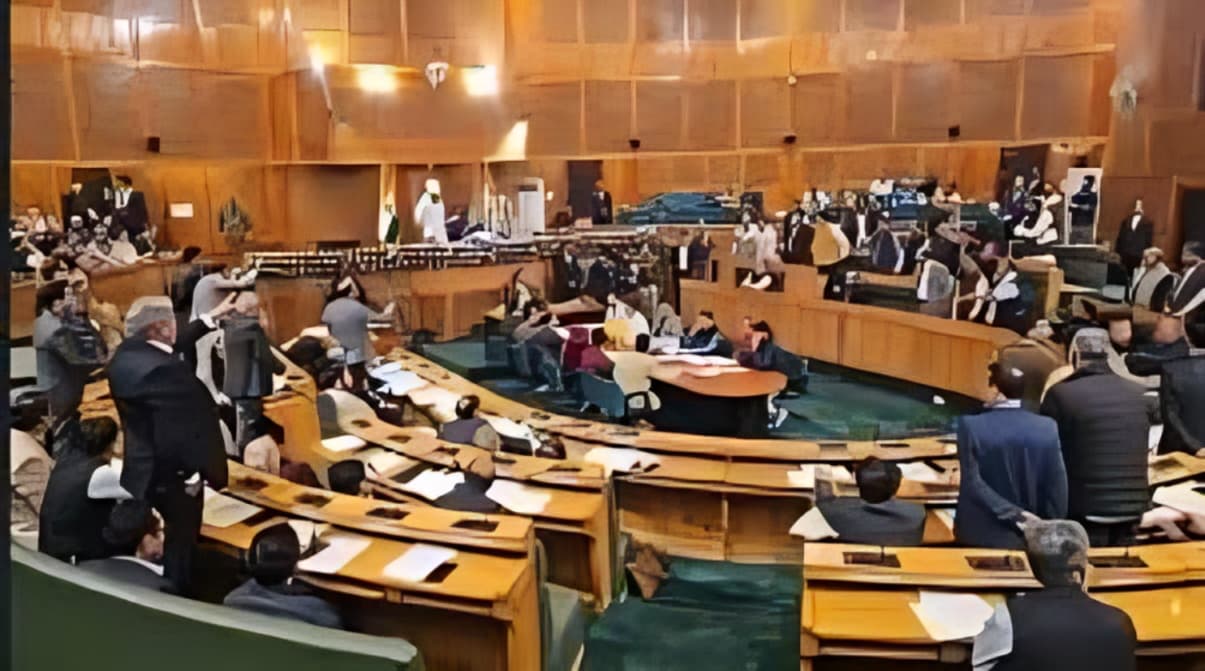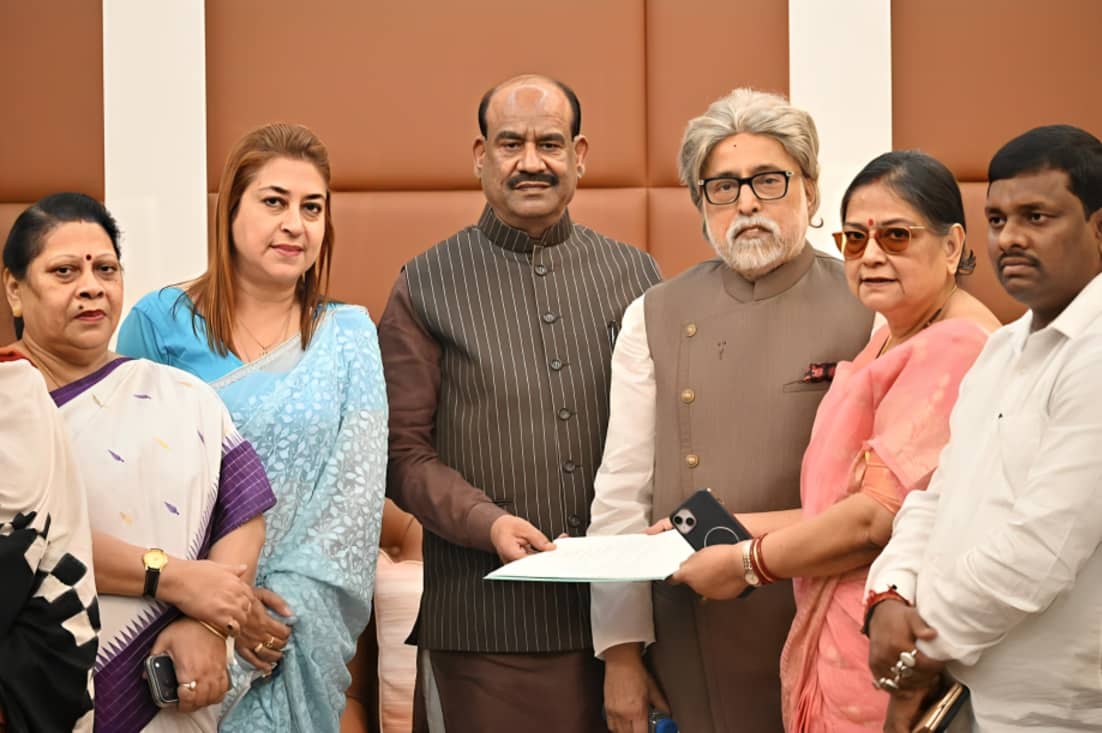
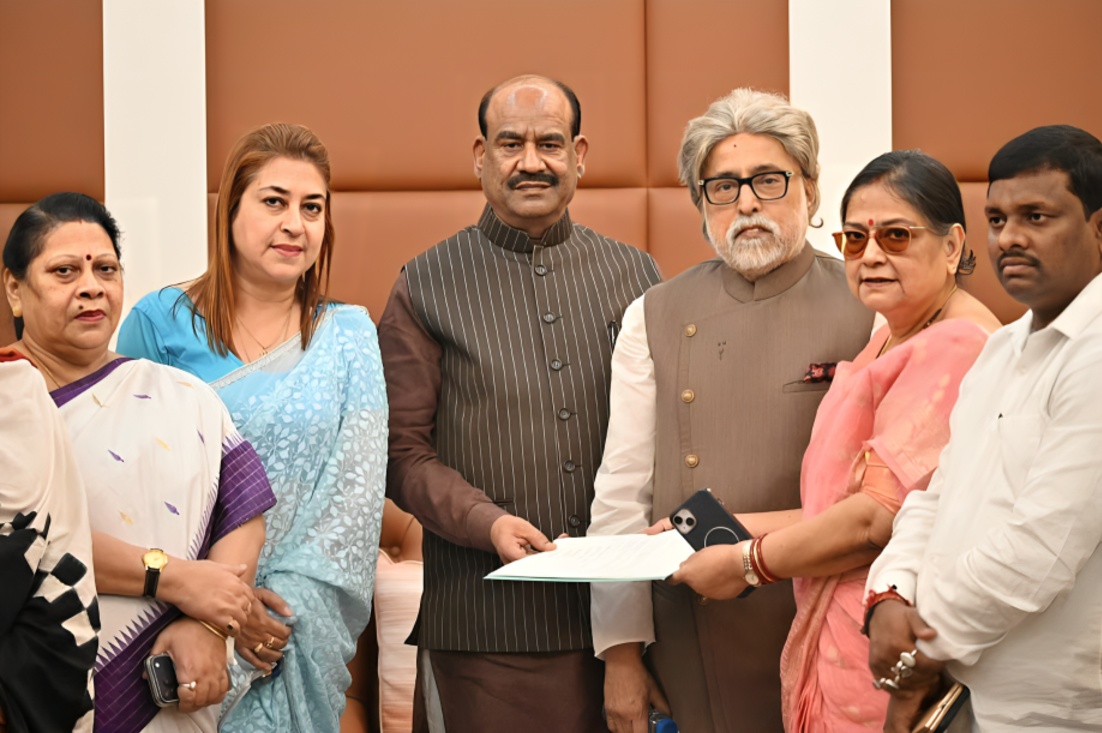
Lok Sabha Speaker Om Birla has given 20 rebel Trinamool Congress MPs additional time to respond to disqualification petitions filed against them by TMC national general secretary and Lok Sabha leader Abhishek Banerjee.
The MPs have now been directed to submit their responses by October 8. They had requested a further extension until October 22, saying that additional time was required to collect documents and prepare their replies. The Speaker has granted them a shorter extension of two more weeks instead.
The latest development comes shortly after the Supreme Court expressed concern over the delay in deciding the disqualification petitions. The court was hearing a plea filed by Abhishek Banerjee seeking an expeditious decision on the petitions pending before the Lok Sabha Speaker.
The Supreme Court had observed that around three months had passed since the petitions were filed. A bench headed by Chief Justice of India Surya Kant, along with Justices Joymalya Bagchi and V Mohana, said that it expected the Speaker to deal with the matter expeditiously. However, the court stopped short of imposing a specific deadline on the Speaker.
The dispute relates to 20 Lok Sabha MPs who were elected on TMC tickets and subsequently broke away from the party. The MPs later aligned themselves with the Nationalist Citizens Party of India, or NCPI, and sought recognition as a separate political group in the Lok Sabha.
The TMC has challenged the status of the MPs and has sought their disqualification under the anti-defection provisions contained in the Tenth Schedule of the Constitution. Abhishek Banerjee submitted separate disqualification petitions against the 20 MPs before the Lok Sabha Speaker on June 18, 2026.
The TMC's position is that the MPs voluntarily gave up their association with the party by moving to another political organisation. On this basis, the party has argued that the anti-defection provisions should apply to them.
The rebel MPs, however, have maintained a different position. They have sought recognition as a separate group in Parliament following their move to NCPI. The legal and parliamentary status of the group has not yet been finally settled.
The Lok Sabha Secretariat first issued notices to the 20 MPs seeking their responses to the disqualification petitions. The MPs were initially given a limited period to respond. They subsequently received an extension, with the deadline eventually reaching September 22. They then sought another extension until October 22. The Speaker's latest decision gives them until October 8 instead.
The Supreme Court's intervention followed the continued delay in the proceedings. During the September 23 hearing, the court referred to the three-month period that had elapsed since the petitions were filed. The court described the delay as significant and said that disqualification matters can have wider consequences for parliamentary functioning and the democratic process.
At the same time, the Supreme Court did not order the Speaker to decide the petitions by a particular date. The court recognised that the Speaker is a constitutional authority and that the concerned MPs must be given an opportunity to present their case.
Solicitor General Tushar Mehta, appearing for the Speaker, told the court that notices had already been issued and that the MPs were required to be given an opportunity to respond. He also opposed the imposition of a rigid judicial deadline for the proceedings. The court subsequently decided to keep the matter pending and seek an update on the progress of the proceedings.
The latest October 8 deadline therefore represents another stage in the parliamentary proceedings rather than a final decision on the disqualification petitions.
The matter also has a wider political dimension because the dispute concerns the identity and representation of the TMC in the Lok Sabha. The rebel MPs have sought recognition as a separate parliamentary group, while the TMC has opposed such recognition and has pursued disqualification proceedings against them.
During the Monsoon Session of Parliament, the 20 MPs were provided separate seating arrangements. However, reports have stated that the Speaker's office had not formally recognised them as a separate parliamentary party. The issue of their parliamentary status therefore remains under consideration.
The dispute has also coincided with a separate disagreement concerning the TMC's party identity and election symbol. Reports indicate that the Election Commission of India is considering matters connected with the rival factions and their claims. The outcome of those proceedings could have implications for the competing political groups, although the parliamentary disqualification proceedings and the Election Commission's proceedings are separate matters.
The anti-defection issue is particularly important because the Tenth Schedule was introduced to address changes in political allegiance by elected legislators. Under the constitutional framework, questions concerning disqualification on grounds of defection are considered by the presiding officer of the relevant legislature, subject to judicial review.
The Supreme Court has previously addressed delays in deciding disqualification petitions. In its observations in earlier cases, the court indicated that such proceedings should ordinarily be completed within a reasonable period, with three months referred to as a general benchmark in the absence of exceptional circumstances. However, the court has also recognised that the circumstances of individual cases can vary.
The present case involves questions about whether the 20 MPs' move from the TMC to NCPI amounts to defection under the Tenth Schedule or whether their claim concerning a merger or separate political identity has legal significance.
For now, no final decision has been announced on the disqualification of the 20 MPs. Their responses to the petitions are expected to be submitted by October 8, after which the Speaker's office can consider the material placed before it.
The Supreme Court is also expected to monitor the progress of the proceedings after keeping Abhishek Banerjee's petition pending. The court's September observations have brought renewed attention to the importance of timely decisions in cases involving elected representatives.
The next stage will depend on the responses submitted by the 20 MPs and the subsequent proceedings before the Lok Sabha Speaker. The legal and constitutional questions surrounding their status will be considered as part of that process.
Until a final decision is taken, the 20 MPs continue to remain members of the Lok Sabha, while the petitions seeking their disqualification remain pending. The October 8 deadline is therefore an important procedural development, but it does not itself determine whether the MPs will ultimately be disqualified.
The case has become significant not only for the TMC and the rebel MPs but also for the broader discussion surrounding the anti-defection law, the powers of the Speaker and the need for timely resolution of disqualification proceedings involving elected representatives.