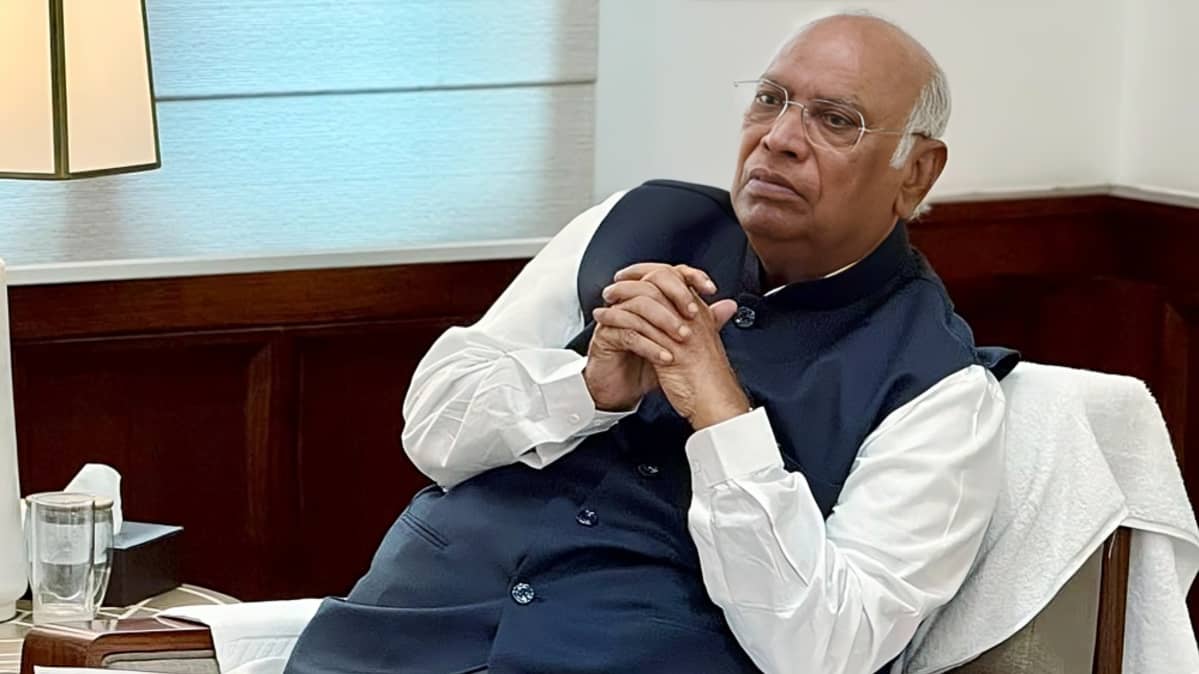
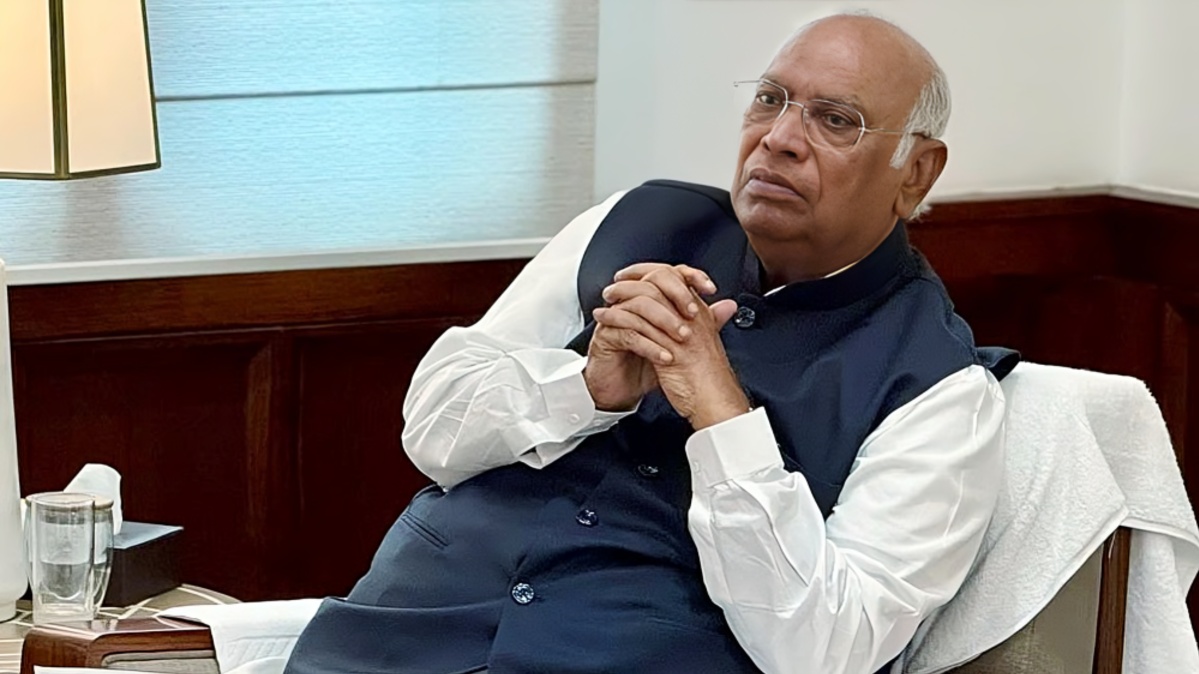
Congress president and Leader of Opposition in the Rajya Sabha Mallikarjun Kharge has invited Opposition members of Parliament to a lunch meeting in New Delhi as Opposition parties continue their campaign over concerns related to electoral rolls and the functioning of the Election Commission.
According to reports published on October 7, Kharge has called the Opposition MPs for a lunch meeting at 1 pm. During the meeting, lawmakers are expected to sign a letter seeking an appointment with Chief Election Commissioner Gyanesh Kumar. The initiative comes a day after a major Opposition protest in the national capital over the Special Intensive Revision of electoral rolls.
The proposed meeting represents the Opposition parties’ latest effort to take their concerns directly to the Election Commission. The INDIA bloc has been raising questions about the electoral roll revision process and has sought explanations from the poll panel.
The developments follow a protest held in New Delhi on October 6, when several INDIA bloc leaders and MPs marched towards Nirvachan Sadan, the headquarters of the Election Commission of India. The protest was linked to the Opposition’s objections to the Special Intensive Revision, commonly referred to as SIR, of electoral rolls.
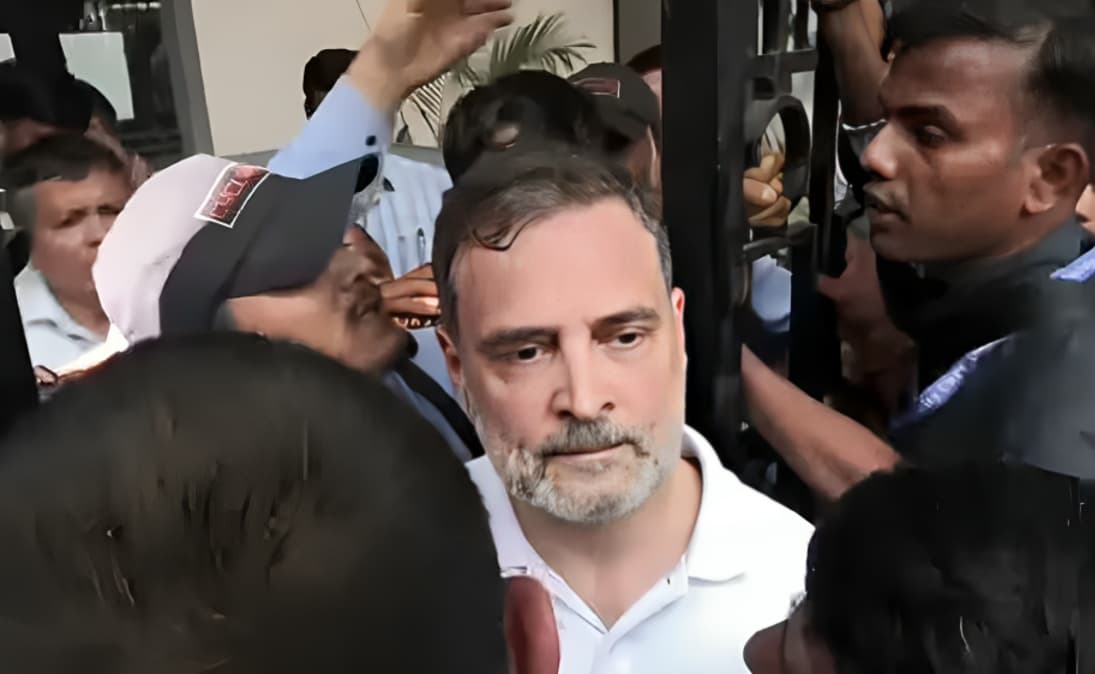
The protest later continued with a sit in near Akashvani Bhawan. Congress leader Rahul Gandhi and several other Opposition leaders participated in the demonstration. Delhi Police subsequently detained Rahul Gandhi, Priyanka Gandhi Vadra and other Opposition leaders during the protest. Reuters also reported that the detention followed an attempt by protesters to move beyond police barricades during the demonstration.
The Opposition has been demanding greater clarity from the Election Commission regarding the electoral roll revision process. Leaders of the INDIA bloc have also raised allegations concerning voter deletions and have questioned the functioning of the poll panel. These remain political allegations and should be distinguished from officially verified findings.
Following the protest, the Election Commission issued a clarification regarding the Opposition’s attempt to meet its officials. According to the poll panel, no political party had formally sought an appointment with the Election Commission through its authorised representatives until 4 pm on October 6.
The Election Commission said it was later informed by Delhi Police that a delegation of MPs led by Rahul Gandhi wanted to meet the Election Commissioners and submit a memorandum. The delegation was reported to comprise around 240 MPs. The proposed venue was the Parliament House Annexe.
The Election Commission described the proposed arrangement as unusual in view of its established procedure. According to the poll panel, meetings with political parties or joint delegations are normally arranged through authorised representatives and are held at a mutually agreed time and location. The Commission said it had considered sending its senior-most executive officer to receive the memorandum at the proposed venue, but the Opposition MPs declined that option.
Kharge’s latest initiative therefore comes amid an ongoing disagreement between the Opposition and the Election Commission over the electoral roll revision process.
The Congress and other Opposition parties have argued that their concerns should be addressed directly by the Election Commission. Their latest strategy involves formally approaching Chief Election Commissioner Gyanesh Kumar through a signed letter seeking an appointment.
The lunch meeting is expected to provide an opportunity for Opposition MPs to coordinate their position before submitting the request. It also comes as Opposition parties seek to maintain a united political response following the October 6 protest.
The issue has become a significant political point of discussion, particularly because electoral rolls directly determine voter eligibility and participation in elections. Any changes to voter lists can therefore have political and administrative consequences, making transparency and accuracy important aspects of the revision process.
At the same time, the Election Commission has maintained that it follows established procedures for meetings with political parties and delegations. The disagreement over the proposed meeting on October 6 has consequently added another dimension to the ongoing dispute.
The Opposition’s decision to seek a formal appointment with the Chief Election Commissioner could provide a structured channel for presenting its concerns. A direct meeting, if granted, could allow the MPs to submit their memorandum and seek explanations from the poll panel.
The development also highlights the continuing political importance of the Special Intensive Revision of electoral rolls. The process has become a major issue for Opposition parties, which have repeatedly sought greater transparency and accountability in relation to changes in voter lists.
For the Election Commission, the controversy comes at a time when its procedures and decisions are facing heightened political scrutiny. The poll panel has continued to defend its established processes, while Opposition parties have demanded greater engagement on their concerns.
Kharge’s meeting with Opposition MPs is therefore likely to be closely watched as the political dispute over electoral rolls continues. The immediate objective is to obtain a formal appointment with Gyanesh Kumar and present the Opposition’s concerns directly to the Election Commission.
The outcome of the proposed request will determine whether the two sides are able to establish a direct channel for discussion. Until then, the issue remains part of the broader political debate over electoral transparency, voter lists and the role of the Election Commission.
The latest development shows that the Opposition is continuing to pursue the issue through both political protests and formal communication with the Election Commission. The proposed letter, to be signed by Opposition MPs at Kharge’s lunch meeting, is expected to form the next step in that effort.