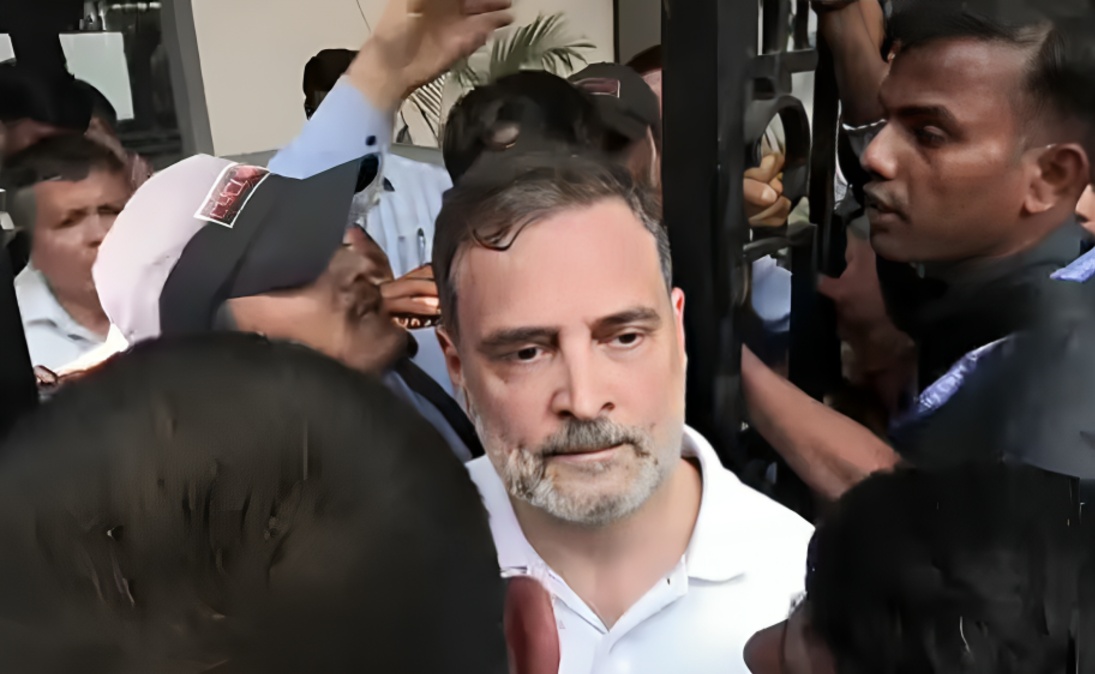
The political differences between the Dravida Munnetra Kazhagam and the Congress have intensified following a fresh exchange over the Special Intensive Revision of electoral rolls in Tamil Nadu.
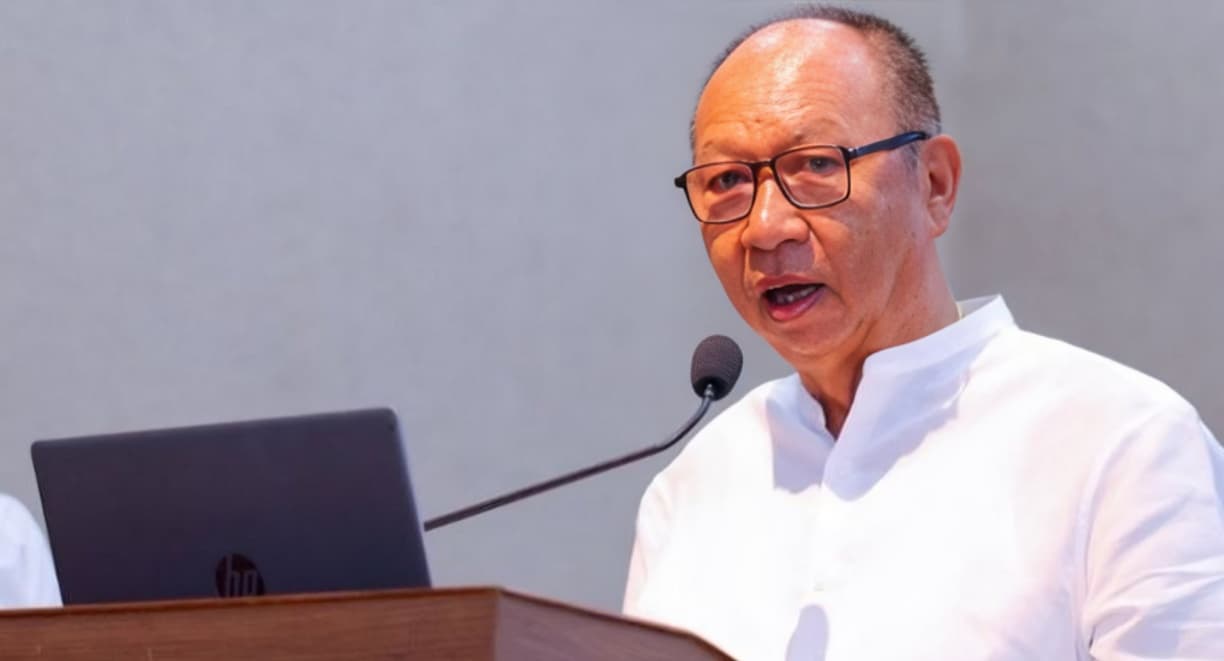
DMK spokesperson Saravanan Annadurai has questioned Congress leader Rahul Gandhi over what he described as his silence on alleged voter deletions in Tamil Nadu. His remarks came while Rahul Gandhi and other Opposition leaders were protesting against the Election Commission in New Delhi over the Special Intensive Revision, commonly referred to as SIR.
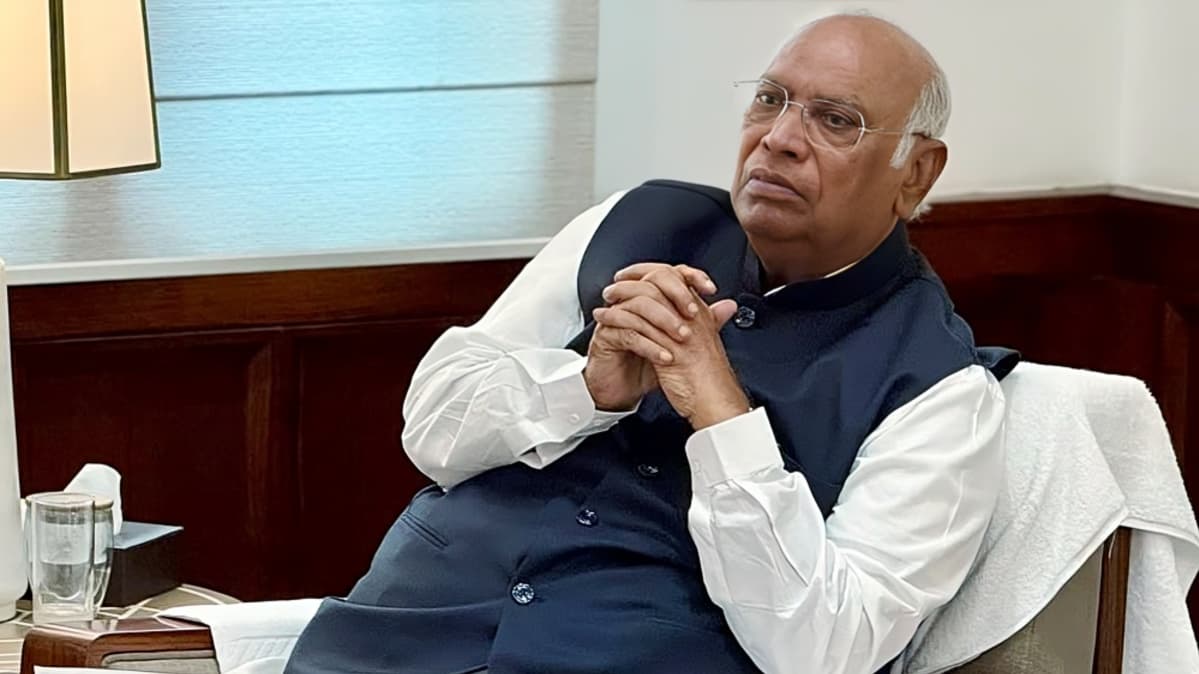
In a post on social media, Annadurai questioned what Rahul Gandhi's position was regarding the alleged deletions of voters in Tamil Nadu. He also asked why Gandhi had not publicly endorsed a statement attributed to Congress president Mallikarjun Kharge regarding governments elected after the SIR process.
The DMK spokesperson accused Gandhi of adopting inconsistent positions on the electoral roll revision issue. He questioned why the Congress leader was participating in a wider Opposition campaign against the Election Commission while, according to the DMK, not giving similar attention to alleged voter deletions in Tamil Nadu.
The remarks came against the backdrop of a larger political controversy surrounding the SIR exercise. Opposition parties have raised concerns about the possible deletion of eligible voters from electoral rolls and have demanded greater transparency in the revision process.
The DMK has alleged that millions of voters were removed from Tamil Nadu's electoral rolls during the revision process. However, this remains an allegation made in the political debate, and individual claims about voter deletions need to be assessed against official electoral roll data and the procedures followed by election authorities.
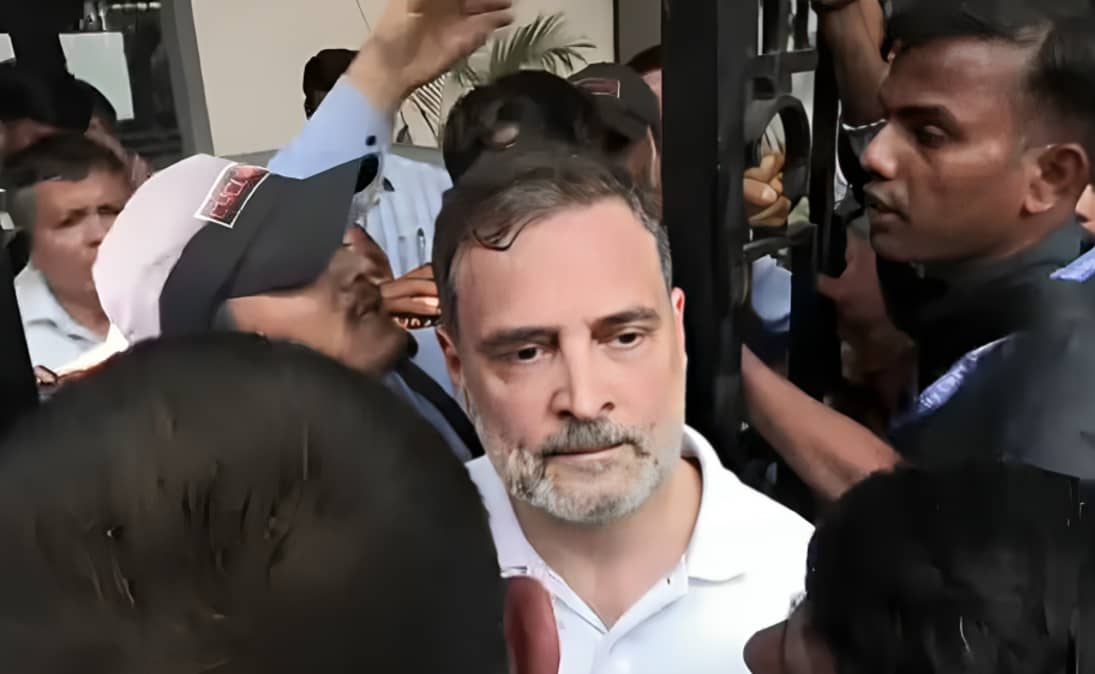
The controversy has gained additional political significance because Rahul Gandhi was leading an Opposition protest in New Delhi against Chief Election Commissioner Gyanesh Kumar and the Election Commission. The Opposition has criticised the SIR exercise and raised concerns about the effect of electoral roll revisions on voters' rights.
According to reports, Rahul Gandhi and Priyanka Gandhi Vadra participated in a march towards the Election Commission office in New Delhi. The protest was part of the Opposition's broader campaign against the SIR exercise and its demands for accountability from the Election Commission.
The DMK's latest criticism, however, focused specifically on Tamil Nadu. Annadurai questioned why Rahul Gandhi had not taken a similar position on alleged voter deletions in the state. He also referred to comments attributed to Mallikarjun Kharge concerning the legitimacy of governments elected after the SIR process.
Kharge has separately criticised the electoral revision process and alleged that the exercise could affect citizens' voting rights. His remarks have become part of the wider political argument between the Opposition parties and the Election Commission.
The BJP has also criticised Kharge's comments and questioned the suggestion that governments elected after the revision process should be dissolved. This demonstrates that the SIR controversy has become a broader political issue involving the ruling party, Congress and other Opposition groups.
The dispute between the DMK and Congress has a separate political background in Tamil Nadu. The two parties were long-standing allies, but their political relationship changed following the 2026 Assembly elections. Reports indicate that the Congress ended its alliance with the DMK and subsequently aligned with actor-politician Vijay's Tamilaga Vettri Kazhagam. The development led to increased political tension between the former allies.
This political background has also featured in Annadurai's criticism of Rahul Gandhi. The DMK spokesperson questioned whether Gandhi was reluctant to speak about the SIR issue in Tamil Nadu because of the state's changing political equations involving Vijay and the Congress. This was a political allegation made by Annadurai and has not been established as the reason for Gandhi's position.
The Congress or Rahul Gandhi had not, at the time of the reports, issued a response specifically addressing Annadurai's remarks. Therefore, the DMK's criticism should be viewed in the context of the ongoing political disagreement between the two parties.
The central issue remains the revision of electoral rolls and the question of whether eligible voters could be affected during the process. Electoral roll revisions are conducted to update voter records, remove ineligible entries and ensure that electoral rolls remain accurate. At the same time, political parties and civil society groups have a legitimate interest in ensuring that eligible voters are not wrongly removed.
Any claim involving large-scale voter deletion therefore requires verification through official electoral data. The number of names removed, the reasons for removal, the number of objections received and the number of names subsequently restored are all relevant to understanding the impact of the revision process.
The Election Commission has been at the centre of the political controversy, with Opposition parties demanding explanations over the methodology and implementation of the SIR exercise. The Commission's response and official electoral data will be important in assessing the competing claims made by political parties.
The DMK's latest statement also highlights the growing political distance between the party and Congress. Although both parties have previously worked together as part of the INDIA bloc, their relationship in Tamil Nadu has changed significantly following the 2026 Assembly election developments.
The disagreement over SIR could further deepen the political divide. While Congress leaders are campaigning nationally against the electoral roll revision process, the DMK is demanding that Congress leaders also address concerns that it says have emerged in Tamil Nadu.
For Rahul Gandhi, the controversy places the Congress in a politically sensitive position. The party has been strongly opposing the SIR process at the national level, while the DMK is questioning the extent to which the Congress is applying the same position to Tamil Nadu.
The issue is therefore not limited to a disagreement over electoral rolls. It has also become part of a larger political contest involving the Congress, DMK and the emerging political forces in Tamil Nadu.
At present, the allegations regarding voter deletions and the political claims surrounding the SIR process remain subjects of dispute. Further clarity is expected from official electoral records, responses from the Election Commission and statements from the parties involved.
For news reporting purposes, it is important to distinguish between verified electoral data and allegations made by political parties. The DMK's criticism of Rahul Gandhi represents the party's political position, while the broader question of voter deletions requires examination through official records and the electoral process.
The latest development nevertheless demonstrates that the SIR exercise continues to remain a major political issue. The DMK's questions to Rahul Gandhi have added a new dimension to the ongoing debate and could further influence political relations between the former allies in Tamil Nadu.