Political and Religious Leaders Oppose Waqf Board’s Sermon Proposal
A proposal by the Jammu and Kashmir Waqf Board to identify common themes for Friday sermons at mosques and shrines under its administration has triggered criticism from political leaders and religious organisations across the Union Territory.
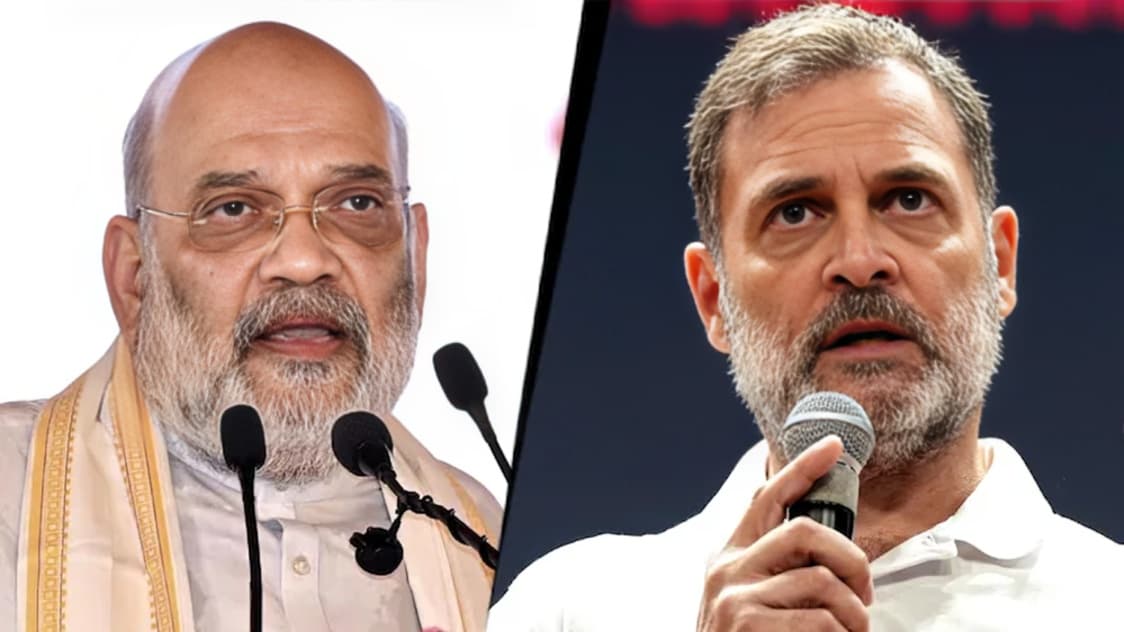
Jammu and Kashmir Chief Minister Omar Abdullah, senior religious leader Mirwaiz Umar Farooq and Peoples Democratic Party president Mehbooba Mufti have raised concerns about the proposal, arguing that decisions concerning religious guidance should respect the independence of Islamic scholars and local religious institutions.
The controversy followed a meeting of the Waqf Board, chaired by Darakhshan Andrabi, a senior Bharatiya Janata Party leader. Reports said the Board planned to form a committee comprising muftis, imams and khateebs to identify common topics for sermons delivered during Friday prayers and other religious occasions.
The proposal prompted questions about whether a statutory body responsible for managing religious endowments should have a role in identifying the subjects discussed during religious sermons.
However, the Board’s chairperson later clarified that no formal order had been issued making uniform sermons compulsory. She said the discussion concerned common social issues and that individual religious leaders would retain the freedom to decide what to say and how to deliver their sermons.
Omar Abdullah Criticises the Proposal
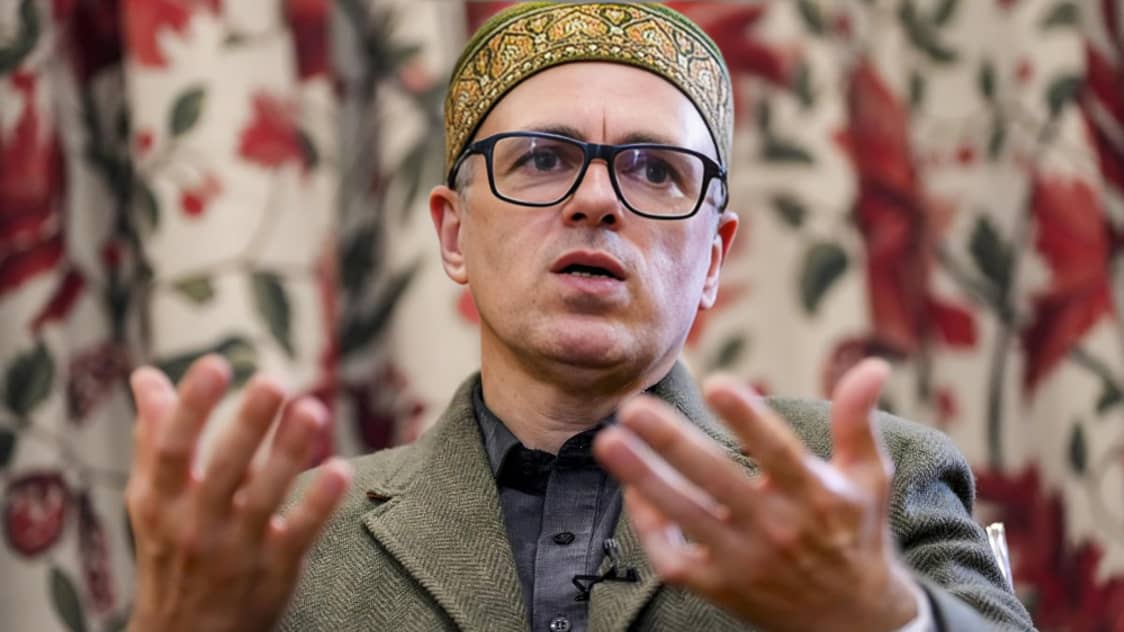
Chief Minister Omar Abdullah strongly opposed the proposal, describing it as an unacceptable attempt to interfere in the religious affairs of Muslims.
In a statement shared on social media, Abdullah criticised the initiative and called for the proposal to be stopped. He also demanded that the Waqf Board be brought under the control of the elected government.
His criticism centred on the role of the Board and the question of whether religious institutions should be expected to follow common sermon themes identified through an administrative process.
The issue has become politically sensitive because Friday sermons are an important part of Muslim religious life. Imams and religious scholars often address spiritual guidance alongside social concerns affecting their congregations.
Critics argue that a centrally coordinated approach could reduce the ability of religious leaders to respond to local circumstances. Supporters of common themes, however, may view coordinated discussion of shared social problems as a way to encourage community awareness.
The debate has therefore expanded beyond the wording of sermons to questions about religious autonomy, administrative authority and the relationship between public institutions and faith-based organisations.
Mirwaiz Umar Farooq and Religious Organisations Raise Concerns
Mirwaiz Umar Farooq, a prominent religious leader in Kashmir and head of the Mutahida Majlis-e-Ulema, also opposed the proposed initiative.
The Mutahida Majlis-e-Ulema brings together several religious and socio-religious organisations in Jammu and Kashmir and Ladakh. The organisation argued that determining or regulating what should be preached from a mosque pulpit should not be the responsibility of a statutory administrative body.
The group maintained that religious guidance belongs within the domain of recognised Islamic scholars, imams and religious institutions, whose teachings are rooted in Islamic scholarship and established traditions.
It also drew a distinction between religious scholars voluntarily working together to address common social concerns and an administrative authority attempting to prescribe sermon topics.
The organisation urged the Waqf Board to focus on its administrative responsibilities, including the management, maintenance and protection of Waqf properties.
The criticism reflects wider concerns among religious groups about the boundaries between the administration of religious endowments and the content of religious teaching.
Mehbooba Mufti Questions the Impact on Religious Freedom
Former Jammu and Kashmir chief minister and PDP president Mehbooba Mufti also expressed strong concern about the proposal.
Mufti argued that Friday sermons should reflect the circumstances and concerns of the communities in which they are delivered. She said imposing a uniform framework could overlook local realities and limit the role of religious scholars in guiding their congregations.
She also questioned whether the administration should determine the subjects discussed by Muslim religious leaders and called for Waqf affairs to be placed under the control of an elected government.
Her comments added to the political opposition to the proposal and highlighted the wider debate about religious diversity and institutional autonomy.
Critics have warned that a common framework for sermons could be interpreted as interference in religious practice. However, the proposal’s practical implications would depend on how any future initiative is designed, whether participation is voluntary and whether religious leaders retain control over the content and delivery of their sermons.
What Did the Waqf Board Say?
Amid the criticism, Waqf Board chairperson Darakhshan Andrabi clarified that the Board had not issued any order making uniform Friday sermons mandatory at affiliated mosques.
According to reports, Andrabi said the discussion had focused on encouraging mosques, shrines and imams to address shared social concerns, including drug abuse and suicides.
She also said that imams would retain the discretion to decide what they preached and how they delivered their messages.
This clarification is an important part of the story. Although reports about the proposed committee prompted fears of compulsory or centrally directed sermons, the chairperson said no formal order imposing uniform sermons had been issued.
The distinction between discussing common themes and making those themes mandatory is central to understanding the controversy.
A voluntary effort by religious scholars to address social problems would be different from a binding directive requiring religious institutions to deliver prescribed messages. The Board’s clarification indicates that the proposal should not be described as a compulsory policy unless an official order establishing such a requirement is subsequently issued.
Why Friday Sermons Have Become a Political Issue
Friday sermons provide an opportunity for Muslim religious leaders to discuss faith, moral responsibilities, social issues and matters affecting their communities.
In Jammu and Kashmir, where religious institutions play an important role in community life, a proposal concerning sermon topics can quickly become a matter of public and political debate.
Supporters of coordinated themes may argue that religious institutions can help raise awareness about problems such as substance abuse, suicide prevention, social harmony and community welfare.
Opponents, however, maintain that the choice of sermon topics should remain with religious scholars and that administrative bodies should not influence religious expression.
The controversy highlights the importance of clarity when public institutions discuss initiatives involving religious practice. Clear communication about whether a proposal is voluntary, advisory or compulsory can help prevent misunderstandings and allow public debate to focus on the actual policy.
It also underlines the need to distinguish between a proposal discussed at a meeting and a formally adopted decision.
What Happens Next?
The immediate issue is whether the Waqf Board will take further steps to establish a committee of religious scholars and, if so, how its role will be defined.
Any subsequent announcement should clarify whether the committee will recommend optional themes, coordinate voluntary discussions or introduce a formal requirement for affiliated institutions.
Political leaders and religious organisations are likely to continue monitoring the matter. Their responses may depend on the details of any written proposal, the level of participation expected from imams and the safeguards provided for religious independence.
For now, the confirmed development is that the proposal has drawn opposition from prominent political and religious figures, while the Waqf Board’s chairperson has said no order making uniform sermons mandatory has been issued.
The issue remains a debate over the appropriate role of an administrative body in religious affairs. Further official clarification will be important in determining whether the proposal remains a voluntary initiative focused on social concerns or develops into a more formal arrangement.