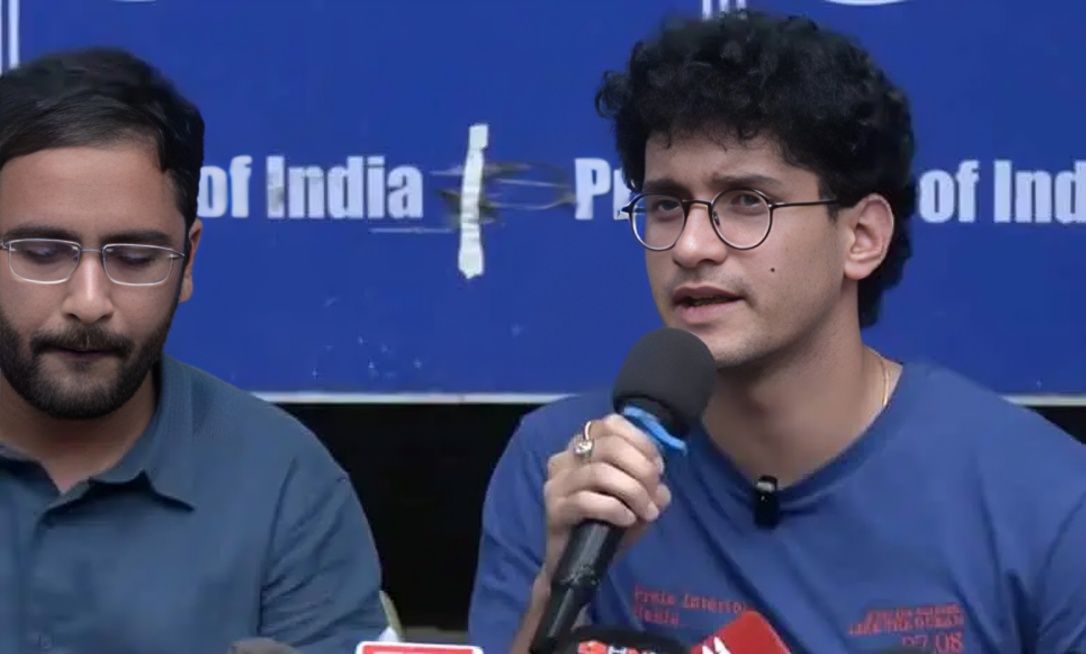
CJP Leaders Give Delhi Police 24 Hours to Set Date for Peaceful Protest at Jantar Mantar
Leaders of the Cockroach Janta Party (CJP), Ashutosh Ranka and Saurav Das, have given Delhi Police 24 hours to announce a date for a proposed peaceful protest at Jantar Mantar. The leaders visited Parliament Street Police Station in New Delhi on October 12, 2026, asking the authorities to decide when the demonstration could take place.
The demand comes amid heightened security across central Delhi following recent protests over alleged irregularities in electoral rolls. The CJP has been demanding the resignation of Chief Election Commissioner Gyanesh Kumar and raising objections to the Election Commission’s Special Intensive Revision (SIR) process.
According to reports published by The Indian Express and The Statesman, the party said it was willing to allow the police to select the date and time for the proposed demonstration. However, its leaders said they expected an answer within 24 hours.
CJP asks police to confirm a protest date
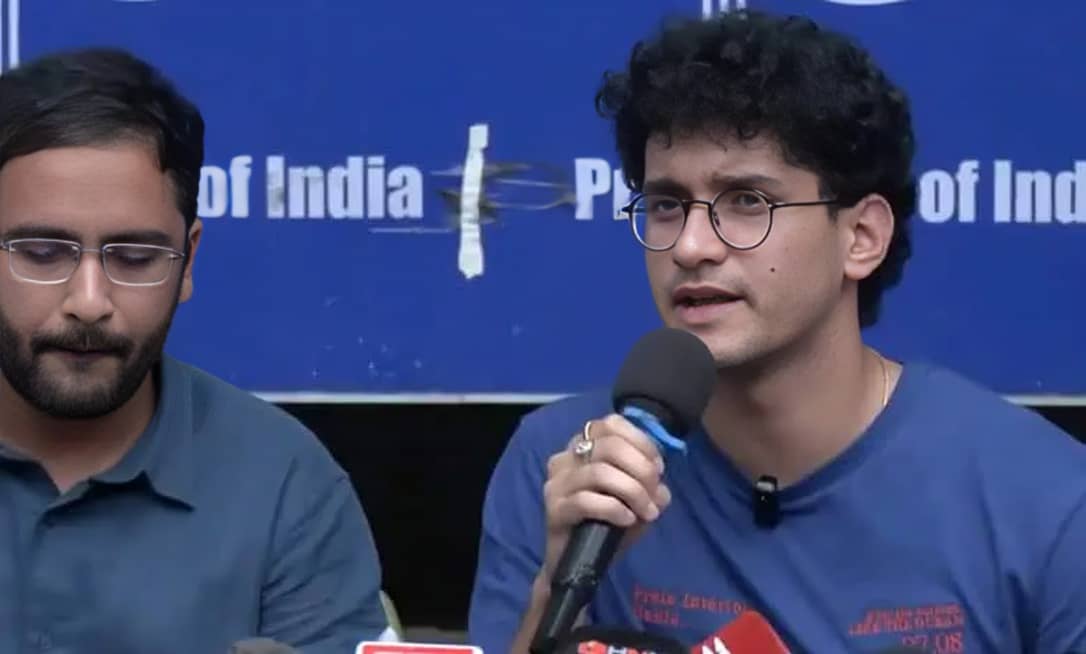
Speaking to reporters outside Parliament Street Police Station, Saurav Das said the party was prepared to follow the schedule suggested by the police. He argued that authorities often ask protest organisers to apply well in advance and said the party was now leaving the scheduling decision to them.
Das said the request should not remain pending indefinitely. He reiterated that the organisation expected a response within the 24-hour period.
Ashutosh Ranka also urged the police to provide a date for the demonstration. He said the party hoped the authorities would respond to its request and warned that CJP could announce another protest if no date was provided within the deadline.
The party’s request focuses on securing permission to hold a peaceful gathering at Jantar Mantar, a location traditionally associated with demonstrations in the national capital.
Protest linked to electoral-roll revision
The proposed demonstration is connected to the CJP’s criticism of the Special Intensive Revision of electoral rolls. The process is intended to review and update voter lists, but opposition groups and activists have raised concerns about alleged irregularities and the possible exclusion of eligible voters.
The CJP has demanded the resignation of Chief Election Commissioner Gyanesh Kumar over its objections to the process. These demands represent the party’s political position, and allegations of irregularities should be distinguished from findings established through official investigations or judicial proceedings.
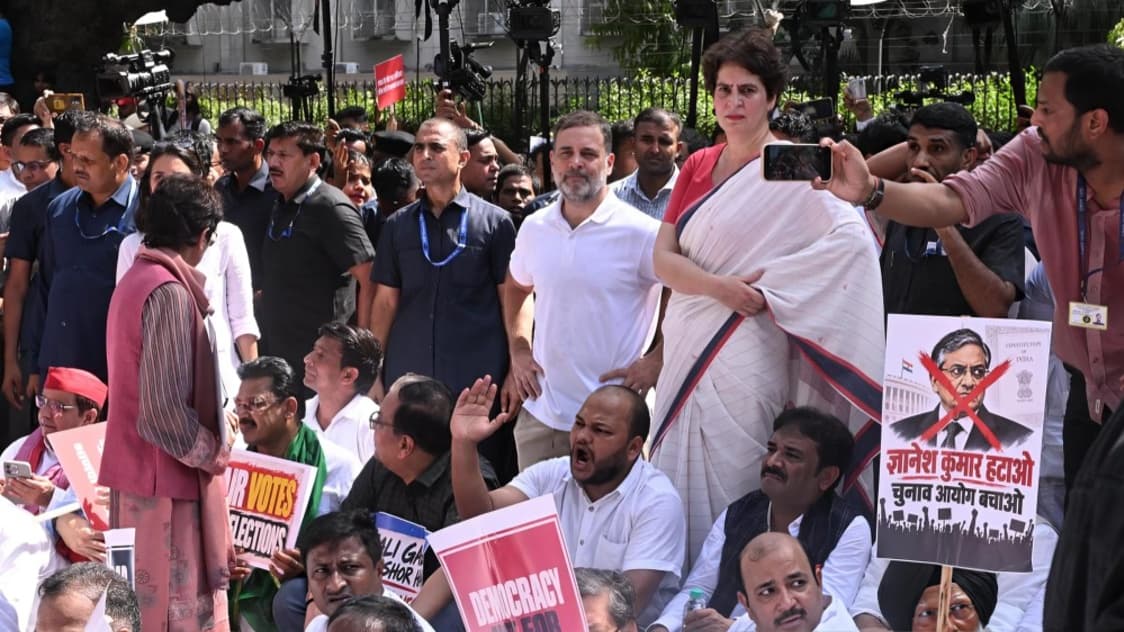
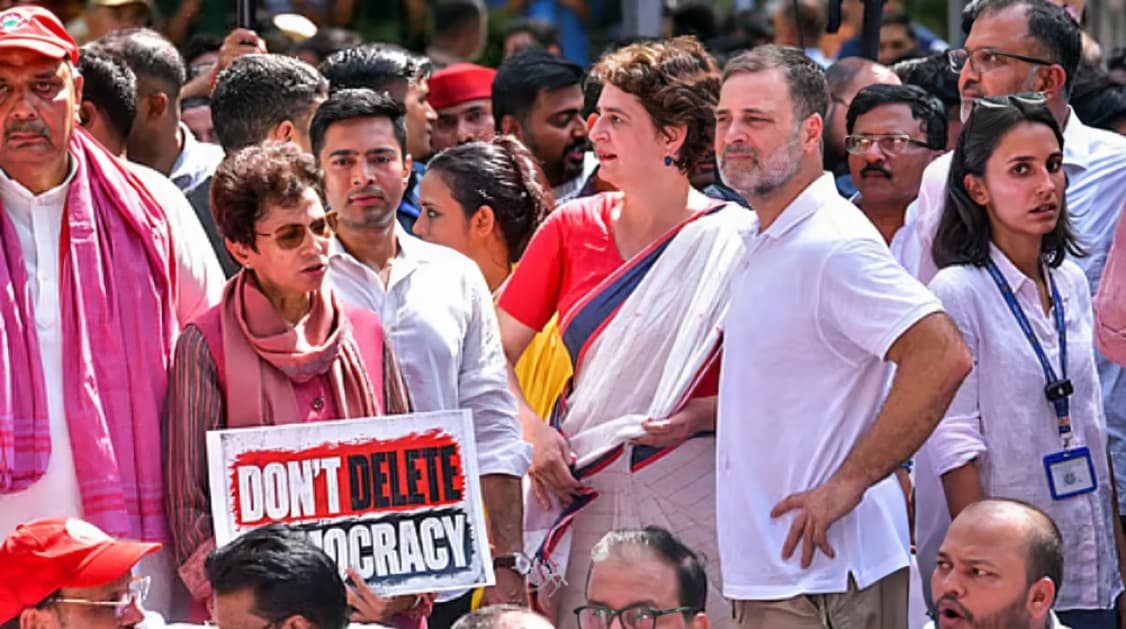
The wider dispute has drawn participation from political leaders, student groups and activists. Protesters have called for greater transparency in electoral administration and have questioned the restrictions imposed on demonstrations in Delhi.
The Election Commission’s procedures and any specific claims concerning voter-list changes must be assessed using official records, documented evidence and relevant legal proceedings.
Security tightened across central Delhi
Security arrangements were strengthened across parts of central Delhi as authorities prepared for further demonstrations and opposition-led political activity. Police personnel and barricades were deployed around important locations, while restrictions affected movement in some areas.
The latest developments followed the detention of CJP leaders and protesters ahead of an earlier planned demonstration. Reports said CJP founder Abhijeet Dipke, along with Ashutosh Ranka and Saurav Das, had been detained before the planned October 10 protest. The leaders were subsequently released following proceedings before an executive magistrate.
The detentions and security restrictions became part of the party’s criticism of the authorities. CJP leaders argued that organisers should be given an opportunity to conduct a peaceful demonstration at an authorised location rather than face repeated uncertainty over permission.
Police have maintained that restrictions and security measures are connected to public-order concerns. Any assessment of the legality of particular detentions or restrictions depends on the circumstances and applicable legal procedures.
CJP raises concerns over protest rights
Das said peaceful protest was a constitutional right and called on the authorities to specify the arrangements for the proposed demonstration. Ranka also questioned the impact of extensive security measures on residents and businesses in the capital.
The party’s position is that providing a designated venue and a clear schedule would help reduce uncertainty and allow the demonstration to proceed peacefully. Its leaders have said they are prepared to coordinate with the police over the timing of the event.
The dispute highlights the challenge of balancing the right to peaceful assembly with the responsibility of law-enforcement agencies to maintain public order. Authorities can regulate public gatherings under applicable laws, while organisers must comply with lawful conditions and procedures.
What happens after the 24-hour deadline?
The immediate issue is whether Delhi Police will respond to the CJP’s request and provide a date for the proposed demonstration at Jantar Mantar. The party has said it may announce another protest if the authorities do not respond within the specified period.
As of the reports published on October 12, the party had approached the police to seek a date, but a confirmed schedule for the proposed demonstration had not been reported in the cited coverage.
Further developments will depend on the police response, any permission granted and the arrangements made for public safety. The party’s next announcement may also clarify whether it intends to proceed with another demonstration if its request remains unanswered.
The episode comes amid a broader national debate over electoral transparency, the functioning of constitutional institutions and the ability of citizens and political groups to organise peaceful protests. For now, the CJP’s 24-hour deadline places the next step with Delhi Police, while the party continues to press its demands concerning the electoral-roll revision process.
The allegations raised by the CJP remain claims made by the organisation. Any conclusions about electoral irregularities or the conduct of public authorities should be based on verifiable evidence and official findings.