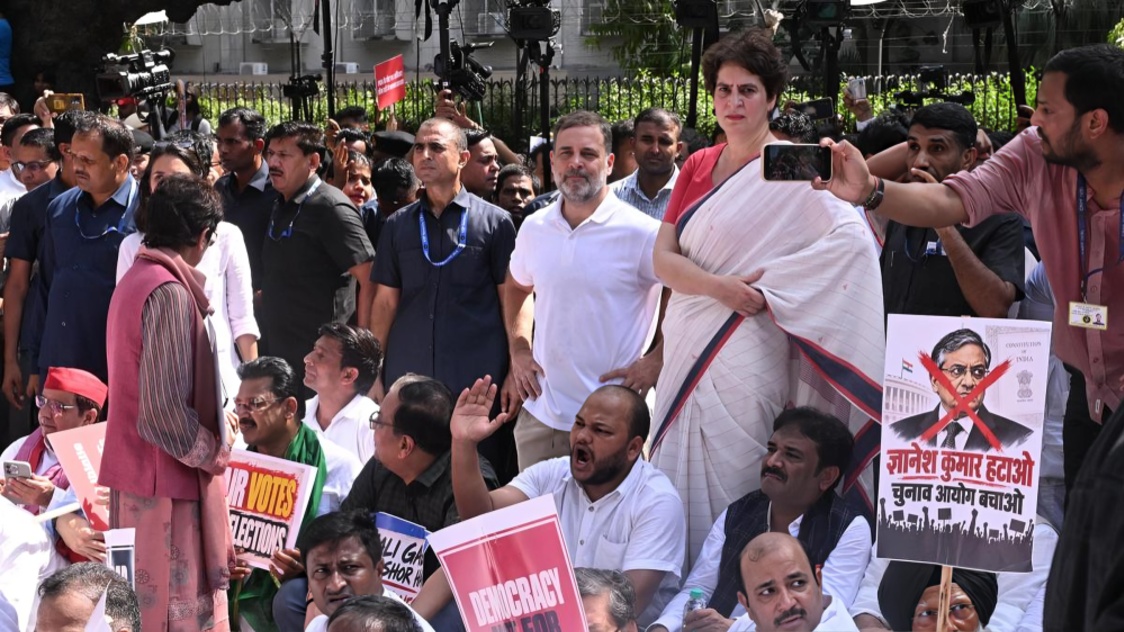
Rahul and Priyanka Gandhi Join Neha Bora as Thousands March Towards Supreme Court in Delhi
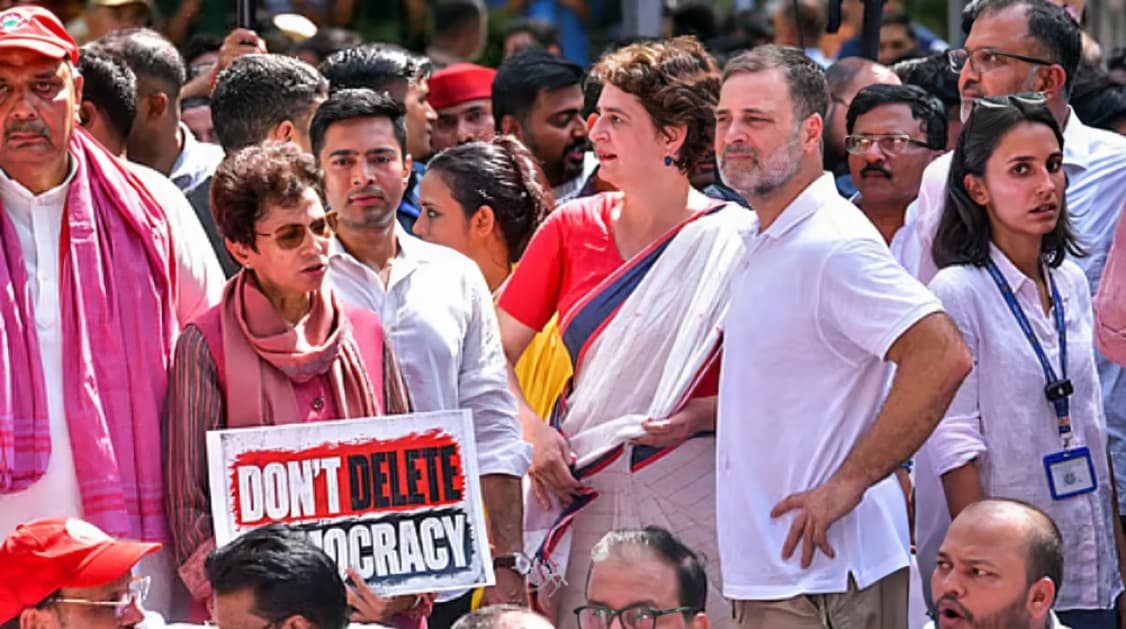
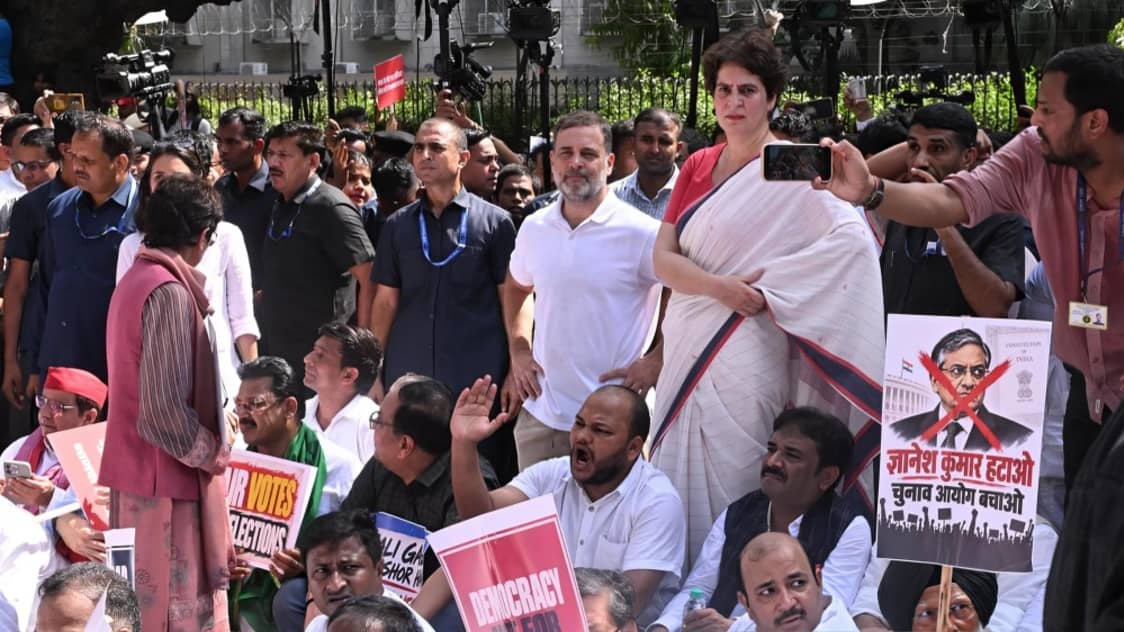
New Delhi witnessed a major opposition-led demonstration on October 12, 2026, as Congress leaders Rahul Gandhi and Priyanka Gandhi Vadra joined student leader Neha Bora and other political figures in a march towards the Supreme Court. The protesters called for action against Chief Election Commissioner Gyanesh Kumar over alleged irregularities in electoral rolls and the Election Commission’s Special Intensive Revision process.
The march attracted large crowds in central Delhi, including areas between Connaught Place and Mandi House. Security was tightened across the national capital, with police personnel deployed at key locations and traffic restrictions affecting several roads. The demonstration marked another development in the ongoing political dispute over voter-list revisions and the functioning of the Election Commission.
Opposition leaders raise concerns over electoral rolls
The protest was organised amid opposition criticism of the Special Intensive Revision, commonly known as SIR, a process used to review and update electoral rolls. Opposition leaders have alleged that the revision has resulted in the removal of eligible voters’ names and have questioned the transparency of the process.
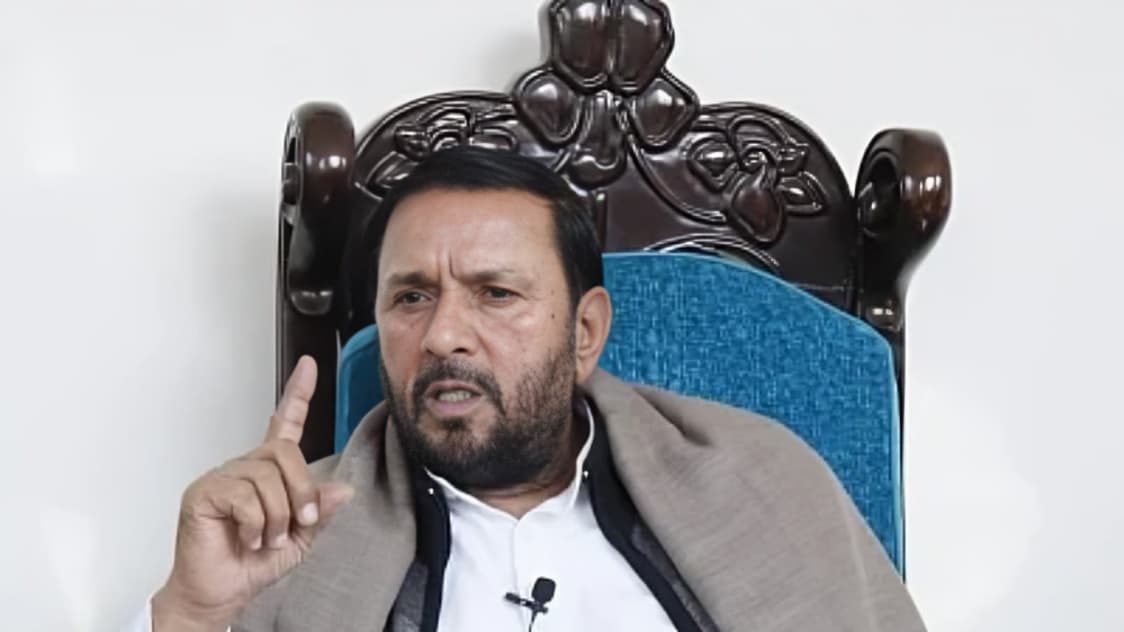
Rahul Gandhi and other opposition figures have called for accountability from the Election Commission and demanded action against Chief Election Commissioner Gyanesh Kumar. They have also raised concerns about whether voters who have been wrongly excluded can effectively restore their names to the electoral rolls.
The Election Commission has maintained that its procedures are impartial and that eligible voters have mechanisms to seek inclusion or correction of their details. The allegations raised by opposition parties remain disputed and should be distinguished from findings established through an official inquiry or judicial decision.
Rahul and Priyanka Gandhi join the march
Rahul Gandhi, the Leader of the Opposition in the Lok Sabha, was among the prominent political figures participating in the demonstration. His sister, Congress MP Priyanka Gandhi Vadra, also joined the march alongside other INDIA bloc leaders and supporters.
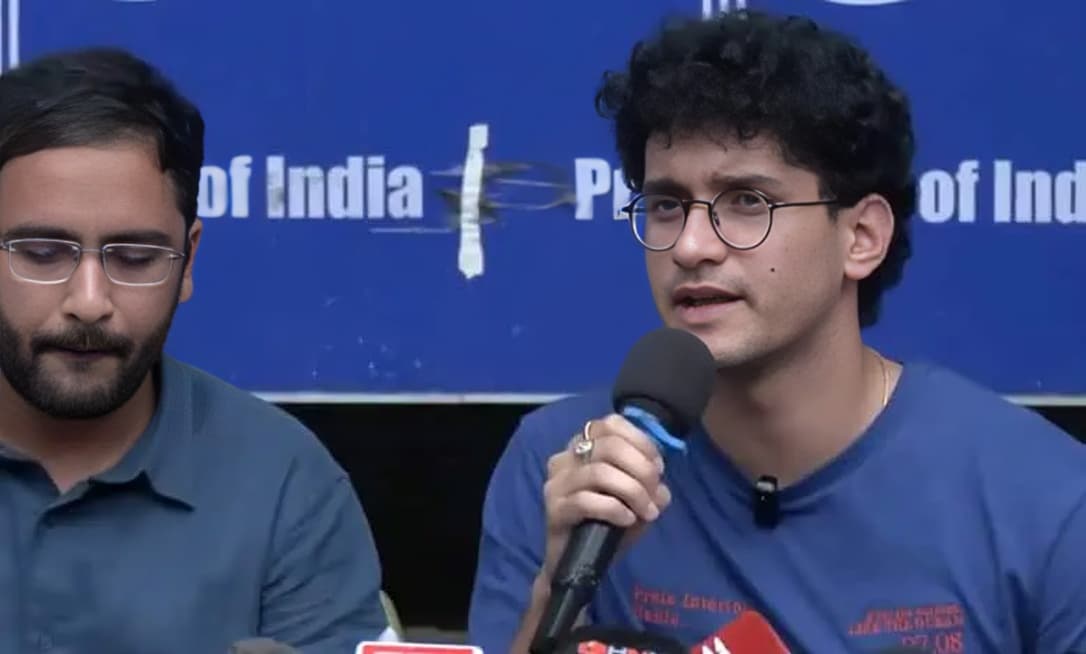
Student leader Neha Bora, associated with the All India Students’ Association, was another prominent participant. The march brought together political representatives, student activists and supporters who wanted the concerns over electoral rolls to be addressed through legal and constitutional channels.
Crowds gathered along central Delhi’s roads as the leaders moved towards the Supreme Court. Images and video reports from the demonstration showed large groups of people accompanying the march. The gathering added to the pressure on authorities already managing several days of protests over the Election Commission and its handling of electoral-roll revisions.
Petition planned over the Special Intensive Revision
Opposition leaders intended to approach the Supreme Court over their concerns about the electoral-roll revision process and their demand for action against the chief election commissioner.
Media reports said the opposition’s legal team was preparing to pursue the matter in court. The development followed an attempt by opposition leaders to meet Chief Justice of India Surya Kant. Reports said the Chief Justice declined the request for a meeting, noting that pending matters should be addressed through proper judicial procedures rather than private discussions.
The opposition was therefore expected to present its concerns through a formal petition. A legal filing would allow the court to examine the specific claims, the relevant records and the legal questions involved. The outcome would depend on the material submitted and the court’s assessment.
The distinction between political demands and legal findings is important. Calls for resignation reflect the opposition’s position, while any determination about alleged irregularities would require examination of evidence and applicable law.
Heavy security and traffic restrictions in Delhi
Authorities deployed substantial security personnel in central Delhi ahead of the march. Barricades and police teams were positioned around important roads and public areas as crowds gathered. Traffic restrictions and changes to public transport operations were also reported in connection with the demonstrations.
The security arrangements were intended to manage the gathering and prevent disruption around sensitive locations. At the same time, the restrictions became part of the wider debate over the right to protest in public spaces.
The demonstrations followed earlier protest activity involving student groups and activists demanding action against Gyanesh Kumar. Neha Bora and other organisers had previously faced police action during demonstrations in Delhi. Those events contributed to the growing attention surrounding the movement and its demands.
Delhi authorities have also reviewed the locations designated for public demonstrations. Changes to the status of Jantar Mantar as an authorised protest site prompted further criticism from activists and opposition figures, who questioned the restrictions on where demonstrations could take place.
A wider political debate over the Election Commission
The march reflects a broader dispute between opposition parties and the government over electoral administration and the independence of constitutional institutions. Opposition leaders argue that the electoral-roll revision process requires greater transparency and accountability. They have also called for an independent examination of the concerns raised by voters and political organisations.
The BJP and the Election Commission have rejected accusations that the electoral process is being manipulated for political advantage. The Election Commission has said that its work is guided by established procedures, while the BJP has criticised the opposition’s campaign.
The claims made by both political sides need to be assessed separately from any legal determination. Allegations about voter exclusions, institutional conduct or political interference should be supported by evidence before being treated as established facts.
What happens next?
The next significant development will be whether the opposition’s planned legal challenge is formally filed and how the Supreme Court responds. A petition could bring specific questions about the Special Intensive Revision, voter-list changes and the responsibilities of the Election Commission before the judiciary.
For now, the march led by opposition figures has highlighted the growing political disagreement over electoral rolls and the administration of elections. The large turnout in central Delhi also demonstrated the ability of opposition parties and activist groups to bring supporters together around a shared demand.
Any further assessment of the dispute will depend on official statements, documented evidence and court proceedings. Until those processes establish specific findings, allegations of electoral irregularities should continue to be reported as claims made by opposition leaders rather than as proven misconduct.
The Delhi march has placed the Election Commission, protest rights and electoral transparency at the centre of the national political debate, with further developments expected as the legal process moves forward.