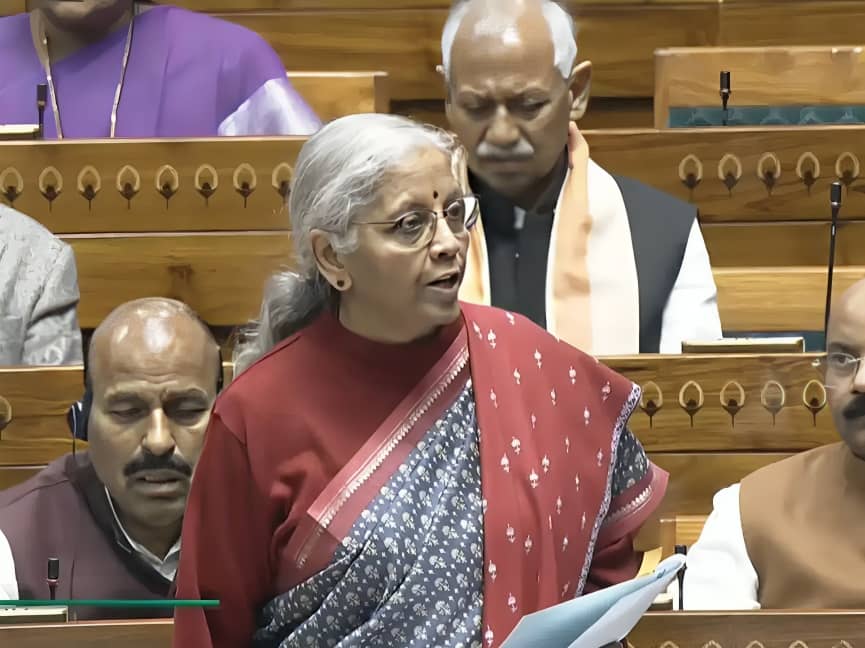
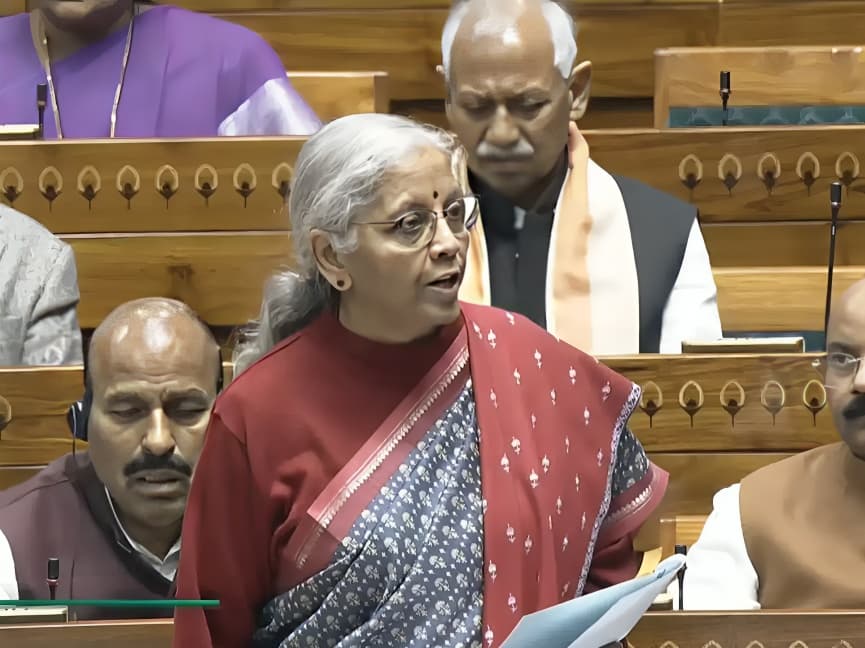
The Winter Session of the Indian Parliament has commenced with the Lok Sabha focusing on key legislative matters, including the Health and National Security Cess Bill. The Bill, which has significant implications for public welfare and national security financing, is scheduled for further consideration and possible passage in the Lower House.
The Health and National Security Cess Bill proposes the imposition of specific levies designed to generate revenue for strengthening public health systems and enhancing security measures across the country. The government has highlighted that additional funding is critical for expanding healthcare infrastructure, providing access to quality medical services, and supporting national security programs, including counter-terrorism and border protection initiatives.
The Bill has already undergone initial discussion and scrutiny in Parliament. During the Winter Session, lawmakers will engage in detailed deliberations, reviewing the provisions, addressing concerns raised by opposition and allied parties, and proposing amendments where necessary. Members are expected to analyze the impact of the cess on taxpayers, businesses, and the general public while ensuring that the intended objectives of health and security funding are met.
Opposition parties have indicated that they will raise questions regarding the implementation, efficiency, and accountability mechanisms of the cess. Concerns include potential financial burden on citizens, equitable distribution of funds, and transparency in utilization. Government representatives have assured Parliament that strict monitoring mechanisms will be in place, and funds collected through the cess will be directed exclusively toward healthcare initiatives and national security programs.
In addition to debates, parliamentary committees have examined various clauses of the Bill to ensure legal and administrative compliance. Recommendations from these committees will guide discussions in the Lok Sabha. Experts in public finance and policy have emphasized that well-structured cesses can play a pivotal role in funding essential services without compromising fiscal stability.
The Bill’s passage is anticipated to enhance India’s capacity to address critical health emergencies, strengthen security frameworks, and respond more effectively to emerging challenges. Lawmakers are also expected to discuss strategies for public awareness and implementation to ensure compliance and maximize benefits for society.
In conclusion, the consideration of the Health and National Security Cess Bill during the Winter Session underscores the government’s focus on improving public health infrastructure and bolstering national security. Parliament’s deliberations will examine the financial, social, and operational implications of the Bill, ensuring that it meets the objectives of enhancing public welfare and safeguarding national interests. Members’ active engagement and debate are central to achieving a balanced legislative outcome.