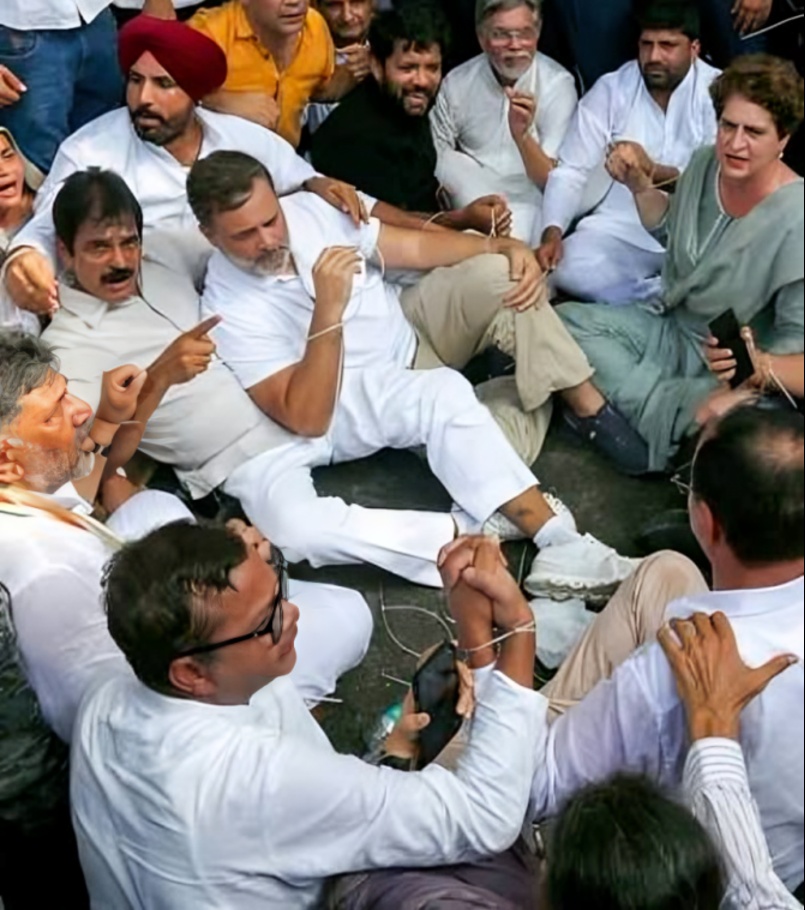
Leader of the Opposition in the Lok Sabha Rahul Gandhi has criticised the Central Government over its handling of alleged examination paper leaks and the response to ongoing student protests in Delhi. Addressing the issue during the continuing political debate, Gandhi argued that recurring incidents of examination irregularities have raised serious concerns about the integrity of India's competitive examination system.
During his remarks, Rahul Gandhi referred to figures that he said reflected the number of reported examination paper leak incidents over the past decade. He questioned the effectiveness of existing mechanisms for preventing such incidents and called for stronger accountability to restore public confidence in the examination process. His comments formed part of a broader criticism of the government's handling of education-related issues and the treatment of protesting students.
The Congress leader also expressed concern over the manner in which demonstrations by students have been managed. He stated that students raising questions about examination fairness should be heard and that their concerns deserve a transparent and democratic response. According to Gandhi, protecting the credibility of competitive examinations is essential for ensuring equal opportunities for young people seeking admission to educational institutions and government employment.
The alleged paper leak controversy has become a major political issue, prompting strong reactions from both the ruling alliance and opposition parties. Student organizations have organised protests demanding fair investigations, improved examination security, and stronger safeguards against future irregularities. Several opposition parties have extended support to these demonstrations and have sought discussions on the matter in Parliament.
Government representatives, however, have maintained that investigations into the alleged paper leak are progressing and that legal action has already been initiated against individuals suspected of involvement. Authorities have stated that law enforcement agencies are continuing their investigations and that those found responsible will face action in accordance with the law.
The National Eligibility cum Entrance Test, commonly known as NEET, is one of India's largest competitive examinations and serves as the gateway for admission to undergraduate medical courses. Given the examination's significance for millions of students each year, allegations affecting its conduct have attracted widespread public and political attention.
The issue has also influenced parliamentary proceedings, with repeated demands from opposition parties for a dedicated discussion on examination irregularities. While the government has indicated its willingness to discuss the matter, procedural disagreements have contributed to disruptions in both Houses of Parliament during the ongoing session.
Education experts have emphasized that maintaining public confidence in competitive examinations requires strong institutional safeguards, secure examination systems, transparent investigations, and timely communication with candidates. They argue that regular reviews of examination procedures and the adoption of advanced security technologies can help reduce the risk of future irregularities.
Political leaders from different parties continue to express differing views on the government's response. Opposition parties have argued that comprehensive reforms are necessary to strengthen examination administration and protect students' interests, while government leaders have defended the steps already taken by investigative agencies and relevant authorities.
The debate surrounding examination integrity extends beyond a single examination and reflects broader concerns about recruitment and entrance tests conducted across the country. Policymakers, education authorities, and examination agencies continue to evaluate measures aimed at improving transparency, enhancing digital security, and strengthening legal provisions against examination-related offences.
As investigations continue and Parliament remains engaged in discussions on the issue, the controversy is expected to remain an important subject of national political and educational debate. The outcome of ongoing investigations and future policy decisions may play a significant role in shaping reforms intended to strengthen India's competitive examination system.