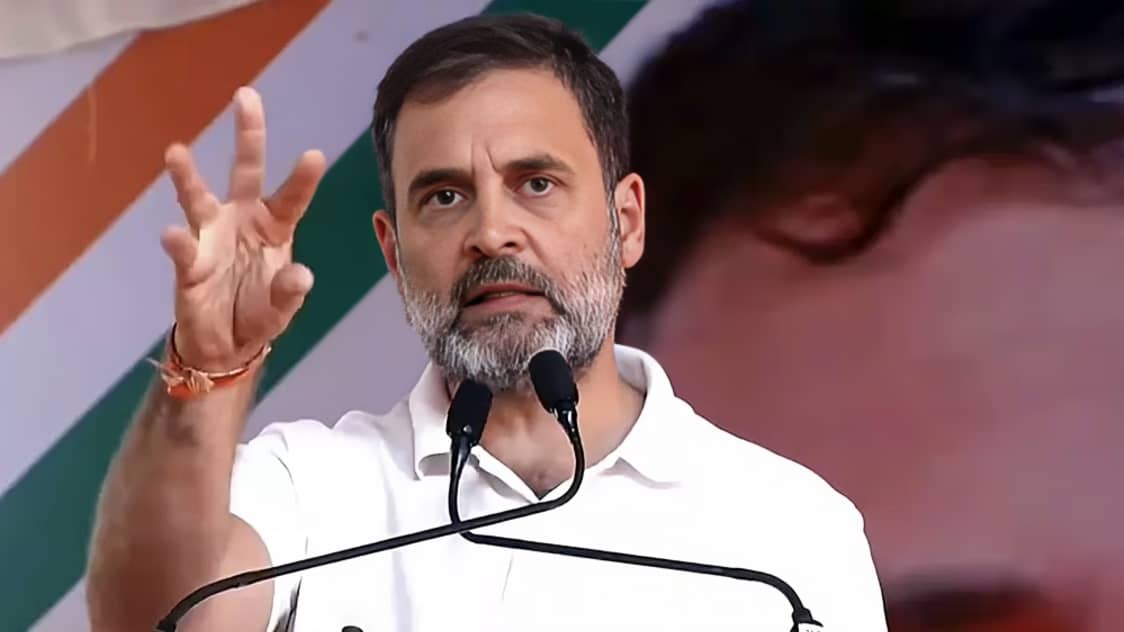
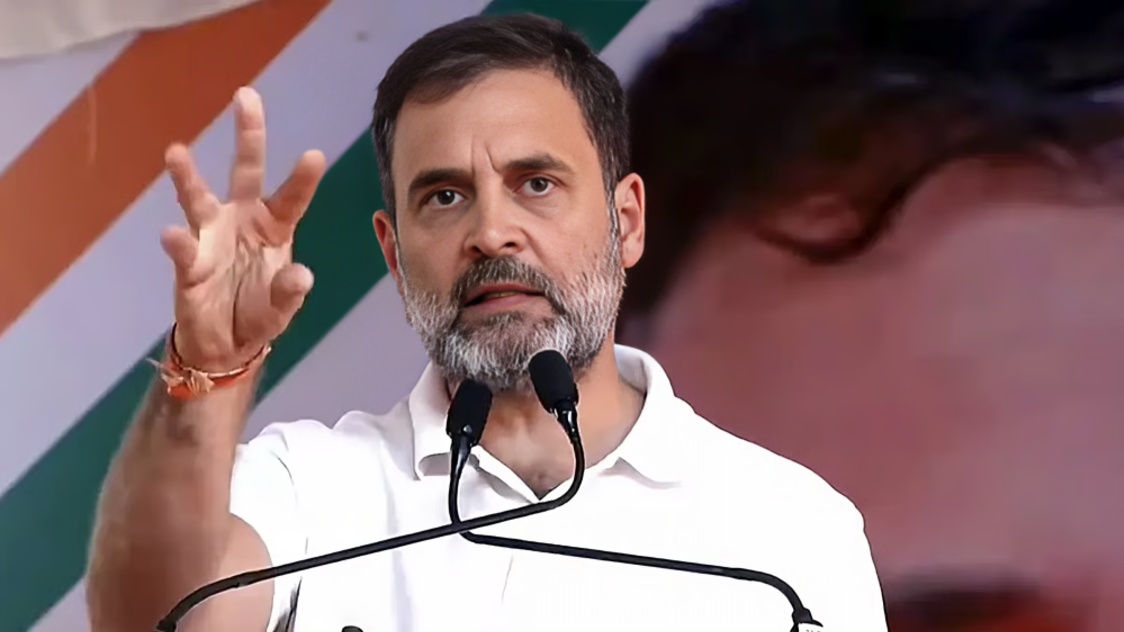
Congress leader Rahul Gandhi has intensified his criticism of the Narendra Modi government over the issue of a caste census, arguing that the demand for detailed caste data is becoming an increasingly important political and social issue in India.
Gandhi has repeatedly called for a comprehensive caste census and has linked the issue to representation, social justice and the participation of Other Backward Classes in government institutions and decision making. In his latest remarks, he suggested that stronger mobilisation among OBC communities could create additional political pressure on the central government.
The Congress leader's comments come amid a broader national discussion about the collection and publication of caste related demographic data. Political parties have taken different positions on how such an exercise should be conducted and how the information should subsequently be used for policymaking.
Rahul Gandhi has argued that reliable data is necessary to understand the representation of different social groups in government employment, educational institutions and other areas. According to his position, a caste census would provide policymakers with updated information that could be used to assess existing welfare and reservation policies.
The issue has gained political importance because OBC communities constitute a significant section of India's population. Leaders supporting a caste census argue that the absence of comprehensive and updated caste data makes it difficult to accurately assess the socioeconomic position and representation of different communities.
Gandhi's latest warning about OBC mobilisation reflects the Congress party's broader strategy of making caste representation a central political issue. The party has repeatedly raised the demand for a caste census in Parliament and during election campaigns.
The Congress has also argued that caste data should be accompanied by greater representation in institutions and decision making bodies. Gandhi has frequently described the issue as part of a larger campaign for what he calls social justice and equitable representation.
The central government, meanwhile, has its own position on the collection of caste data. The Union government has announced that caste enumeration will be included in the upcoming national census exercise. The decision represents a significant development in the longstanding debate over whether caste information should be collected alongside other population data.
The timing, methodology and scope of the exercise remain important issues for political parties and state governments. Questions surrounding data collection, privacy, classification of communities and the use of the information for public policy are expected to remain part of the national discussion.
Rahul Gandhi's latest remarks therefore come at a time when the caste census has moved beyond being a demand of individual political parties and has become a major issue in national policymaking.
The debate also has implications for reservation policies. Supporters of a caste census argue that updated population data could help governments evaluate whether existing reservation structures adequately reflect the demographic composition and socioeconomic conditions of different communities.
Opponents and critics of the demand have raised questions about the potential political consequences of caste enumeration and the challenges involved in collecting accurate and comparable data across the country.
The issue is also connected to the wider debate over representation in Parliament, government employment and educational opportunities. Different political parties have proposed varying approaches to addressing what they describe as gaps in representation.
Rahul Gandhi has used the issue to criticise the central government and argue that political representation should reflect India's social composition more accurately. His comments about possible OBC mobilisation are part of that broader political argument.
However, the suggestion that increased mobilisation would necessarily force the government to take a particular policy position remains a political assessment rather than an established outcome. The government's future decisions will depend on administrative, legal and political considerations.
The caste census debate is expected to remain significant as preparations for the national census move forward. Political parties are likely to continue pressing for clarity over the information that will be collected, how communities will be classified and how the resulting data will be made available.
For the Congress, the issue provides an opportunity to highlight its focus on social justice and representation. For the central government, implementing the census while addressing concerns about methodology and data management will be an important administrative task.
Rahul Gandhi's latest remarks have therefore added another dimension to the ongoing debate. His warning about potential OBC mobilisation highlights the growing political importance of caste data and representation.
As the national discussion continues, the focus is likely to shift towards the practical implementation of caste enumeration and how the resulting information could influence welfare policies, reservations and political representation.
The caste census remains a complex issue involving demographic data, constitutional provisions, social policy and electoral politics. Any changes to existing reservation or representation arrangements would ultimately require consideration under the relevant constitutional and legal framework.
For now, the Congress continues to push the issue as a major social justice demand, while the central government prepares for the next census exercise. The extent to which caste data influences future policymaking will depend on the findings of the enumeration and subsequent decisions by governments and lawmakers.