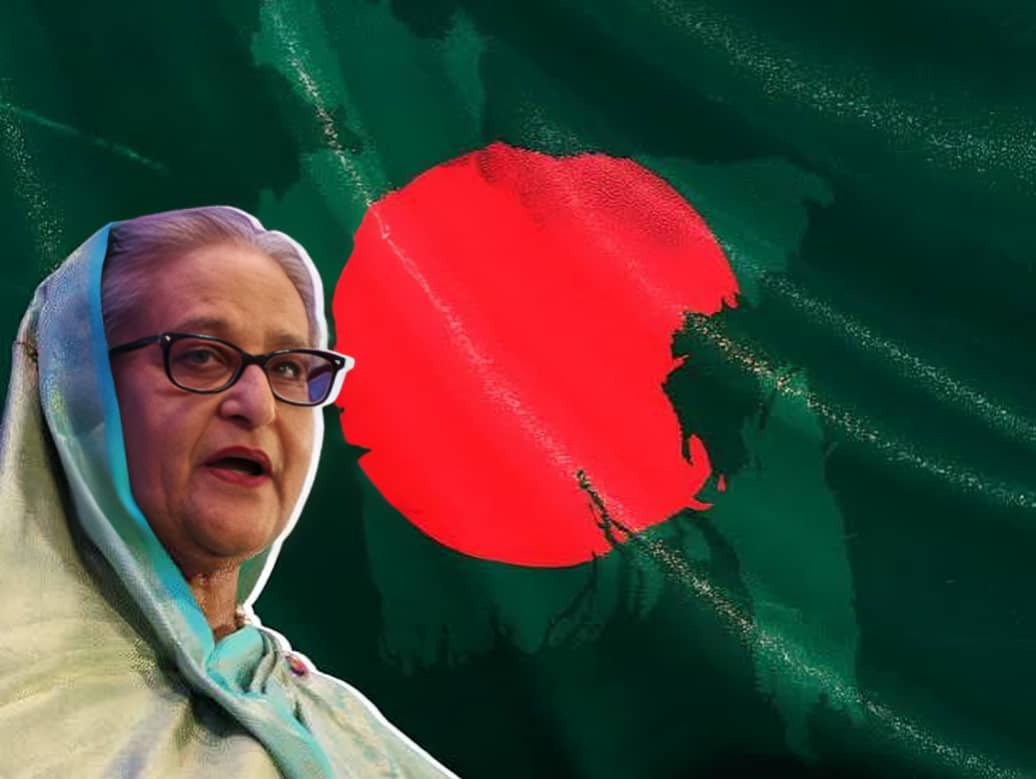
Former Bangladesh Prime Minister Sheikh Hasina’s recent press conference in New Delhi has sparked a fresh diplomatic and political debate between Bangladesh and India. The development has also brought renewed attention to the Bangladesh Nationalist Party government’s approach towards New Delhi and the future direction of India Bangladesh relations.
Sheikh Hasina, who has been living in India since leaving Bangladesh in August 2024, recently addressed the media in New Delhi. Her remarks drew a strong reaction from Bangladesh’s Foreign Ministry, which expressed its displeasure over the event and questioned why the former prime minister was permitted to make political statements concerning Bangladesh while staying in India.
The Bangladesh government alleged that India had facilitated or encouraged the former leader’s public statements. Dhaka argued that such activities could affect Bangladesh’s domestic political situation and bilateral relations with India. The reaction came at a time when the new political administration in Bangladesh is attempting to establish its own foreign policy priorities and strengthen its position on national issues.
India, however, has rejected the suggestion that the Indian government was involved in organising or supporting Hasina’s press interaction. India’s Ministry of External Affairs stated that the event was organised by a private media organisation and that the Indian government had no role in facilitating or conducting it. New Delhi also made clear that it does not endorse the statements or views expressed by Hasina during the interaction.
The clarification from India is significant because Dhaka’s reaction had raised questions about whether New Delhi was providing political space for Hasina to continue communicating with supporters and commenting on developments in Bangladesh. India’s position has been that the private media event should not be interpreted as an official change in its policy towards Bangladesh.
The controversy comes against the backdrop of major political changes in Bangladesh. Hasina left the country in August 2024 following widespread protests that ended her long tenure as prime minister. Since then, relations between Dhaka and New Delhi have faced several sensitive issues, including Hasina’s presence in India and Bangladesh’s requests concerning her return.
The latest dispute also places the Bangladesh Nationalist Party’s approach towards India under greater scrutiny. The BNP-led government has indicated that it wants to maintain a constructive relationship with India while placing Bangladesh’s national interests at the centre of its foreign policy. Recent statements from Bangladeshi officials have suggested an interest in developing a mutually beneficial relationship with New Delhi.
For the BNP government, managing relations with India presents a complex political challenge. India and Bangladesh share a long border, extensive economic ties and important interests in areas such as trade, connectivity, energy, water resources and regional security. At the same time, political sentiment towards India remains an important issue within Bangladesh’s domestic politics.
The Hasina controversy therefore has implications beyond the former prime minister herself. Any perception that India is supporting one political group in Bangladesh could become an issue in the country’s domestic political debate. For New Delhi, maintaining a working relationship with the current Bangladeshi government while dealing with the sensitive issue of Hasina’s presence in India remains a diplomatic challenge.
Bangladesh’s strong reaction to the press conference also reflects the sensitivity surrounding Hasina’s political activities from outside the country. Dhaka has previously raised concerns about statements made by the former leader while she has remained in India. The latest incident has once again placed the issue at the centre of bilateral discussions.
At the same time, India’s official clarification seeks to separate the actions of a private media organisation from the policies of the Indian government. New Delhi has maintained that the government was not responsible for organising the press interaction and does not endorse the statements made during the event.
The controversy could also influence the BNP government’s domestic political messaging. While the government has expressed an interest in maintaining practical relations with India, issues involving Hasina and the previous Awami League government remain politically sensitive. The BNP will therefore need to balance domestic expectations with the practical importance of maintaining stable relations with its large neighbouring country.
India, meanwhile, has a strategic interest in ensuring stability in Bangladesh. The two countries are closely connected geographically and economically, making stable bilateral relations important for border management, trade, transport links and regional security.
The latest developments show that the relationship between India and Bangladesh remains sensitive despite efforts on both sides to improve ties. The disagreement over Hasina’s press conference has created another diplomatic complication, but both countries continue to have significant reasons to maintain communication.
The immediate controversy centres on whether India played any role in the former Bangladeshi prime minister’s media interaction. Bangladesh has criticised the event, while India has denied government involvement. Beyond this dispute, the episode highlights the wider political and diplomatic challenges surrounding Sheikh Hasina’s continued presence in India and the BNP government’s evolving relationship with New Delhi.