Union Minister Ramdas Athawale has spoken in support of Chief Election Commissioner Gyanesh Kumar amid an ongoing political dispute over the Special Intensive Revision of electoral rolls.
Athawale said Kumar should not resign because of pressure from Opposition parties and argued that the Election Commission should be allowed to carry out its responsibilities as an independent constitutional institution. His remarks came as several Opposition parties continued to raise questions about the SIR process and demanded Kumar's resignation.
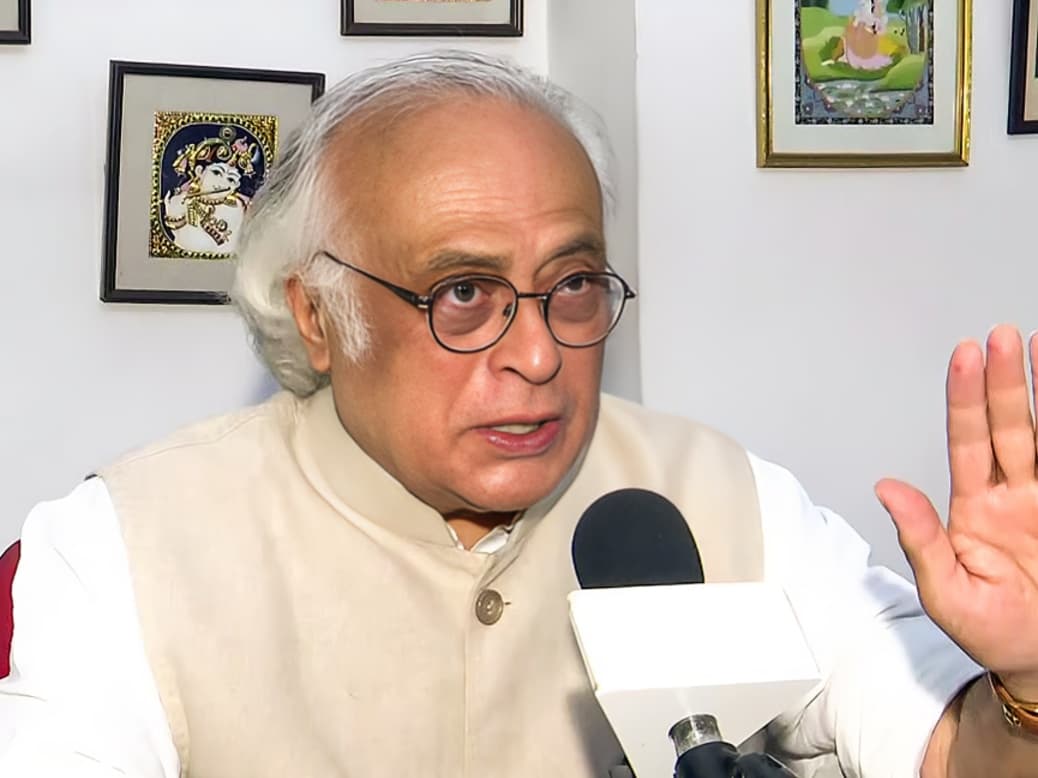
Speaking to reporters in Mumbai, Athawale said the Election Commission is constitutionally independent and that maintaining accurate electoral rolls is an important part of the election process. He argued that opposition to transparent electoral rolls should not become a reason for questioning the functioning of the institution.
Athawale also said that the revision of electoral rolls is necessary to support transparent elections. According to him, the names of voters who have died should be removed from electoral rolls as part of the process of keeping voter records updated.
He further called for scrutiny of cases in which an unusually large number of voters are registered at a single residential address. Athawale said such cases should be investigated to determine whether the registrations are genuine and whether the electoral records accurately reflect eligible voters.
His comments come against the backdrop of the wider controversy surrounding the Special Intensive Revision, or SIR, of electoral rolls. The exercise has become a major political issue, with Opposition parties questioning aspects of the process and raising concerns about the Election Commission's handling of electoral records.
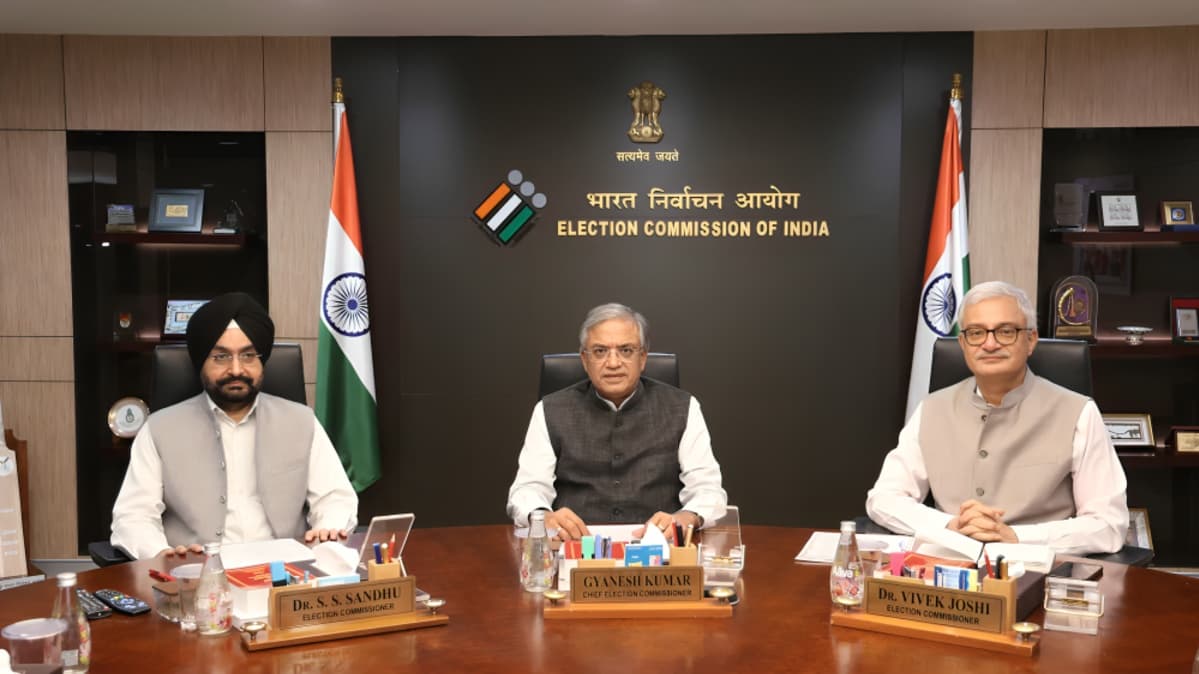
The controversy intensified after a report by The Indian Express said Election Commissioners Sukhbir Singh Sandhu and Vivek Joshi had formally raised objections on multiple occasions concerning decisions connected with the SIR exercise and other matters relating to the functioning of the poll panel. The report said the objections were recorded on at least 14 occasions over a period of about 10 months.
The report led to renewed political demands for the resignation of Chief Election Commissioner Gyanesh Kumar. Congress and several other Opposition parties have criticised the Election Commission and questioned its handling of the electoral roll revision process.
The Election Commission has disputed the interpretation that the reported internal exchanges amounted to a disagreement over final decisions. In a statement, the poll panel said internal checks and balances are part of the functioning of a multi member constitutional body.
The Commission has also maintained that decisions concerning the SIR exercise were taken unanimously by all three Election Commissioners. This position has been cited by supporters of the poll panel as evidence that the reported questions and objections did not change the Commission's final decisions.
Athawale also rejected suggestions that there were serious differences among the Election Commissioners. He said the Election Commission should be given the opportunity to complete the electoral roll revision process.
The SIR exercise is intended to examine and update electoral rolls. Such revision can involve checking voter details, identifying duplicate or outdated entries and verifying whether registered voters continue to meet the applicable eligibility requirements.
One issue highlighted by Athawale was the removal of deceased voters from electoral rolls. Maintaining updated records is an established part of electoral administration, while questions about individual entries are generally handled through the procedures prescribed by the Election Commission.
Athawale also raised the issue of multiple voter registrations at a single address. He called for investigation where an unusually high number of voters appear to be registered at one residential location. Such cases, he said, should be examined rather than being treated as genuine or irregular without verification.
At the same time, the SIR process has faced criticism from Opposition parties and civil society groups. Concerns have included the procedures used to verify voters, the documentation required and the possibility of eligible voters being required to establish their status during the revision process.
The Election Commission has taken several decisions during the ongoing controversy. In Delhi and Maharashtra, the Commission recently extended deadlines connected with the SIR process and made changes to certain hearing requirements. The Commission also said voters receiving notices for specific categories of discrepancies would not necessarily have to appear personally before an Electoral Registration Officer in every case.
The developments have kept the Election Commission and electoral roll revision at the centre of political debate. Opposition parties have continued to seek greater clarity and accountability, while leaders supporting the Commission have argued that the poll body should be allowed to complete its work independently.
Athawale has also criticised what he described as repeated demands for resignations by Opposition parties. He argued that political disagreements should not automatically result in calls for constitutional functionaries to step down.
His comments add to a growing exchange between the government and Opposition over the SIR exercise. While the Opposition has raised questions about the process and the functioning of the Election Commission, government and ruling alliance leaders have defended the revision exercise and the independence of the poll panel.
The Election Commission's position remains that its decisions on the SIR process were taken collectively and unanimously. Meanwhile, the reported objections by two Election Commissioners have continued to be cited in the political debate over the functioning of the institution.
The dispute is expected to remain an important political issue as the electoral roll revision process continues. Further developments will depend on the Election Commission's decisions, responses to claims and objections, and any subsequent legal or political proceedings.
For voters, the ongoing process also underlines the importance of checking their electoral roll details and responding through the prescribed procedures when clarification or documentation is requested by election authorities.
The current debate therefore involves two separate issues: the Election Commission's institutional functioning and the practical process of verifying and updating voter records. While Athawale has defended the Commission and supported the continuation of the SIR exercise, Opposition parties have continued to question aspects of the process and demand greater accountability.
The Election Commission has said that its three members took decisions relating to the SIR unanimously. The political debate over those decisions and the broader electoral roll revision process is continuing.