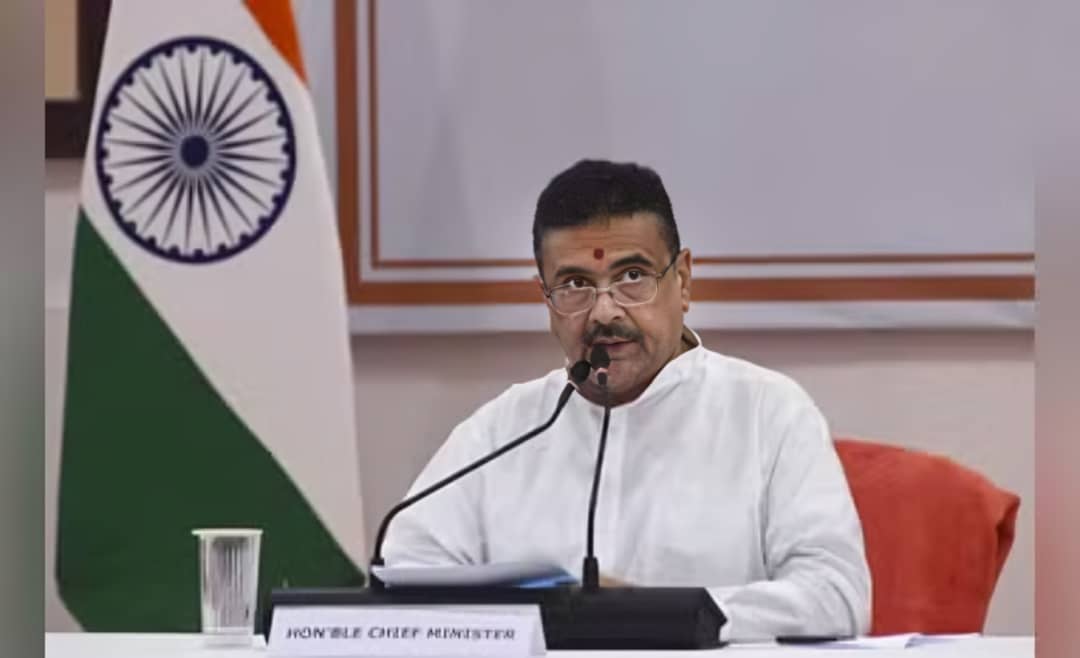
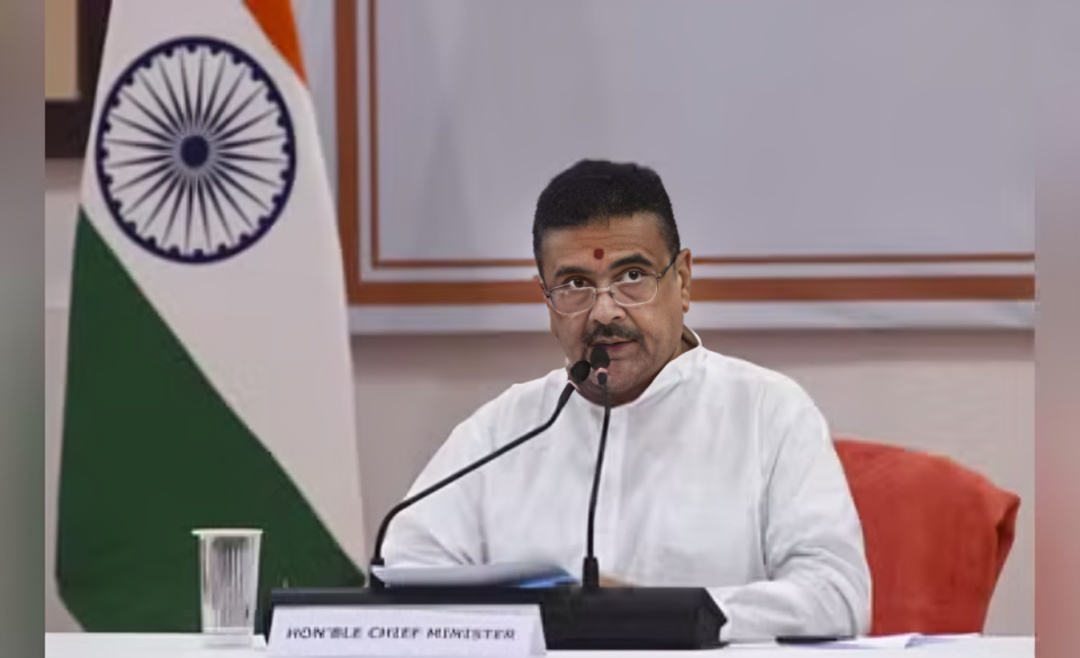
West Bengal Leader of Opposition Suvendu Adhikari on Monday spoke about the contributions of Dr. Syama Prasad Mookerjee, stating that his legacy did not receive adequate recognition for many years under previous administrations.
Addressing a public gathering, Adhikari alleged that earlier governments led by the Congress and the Trinamool Congress failed to properly acknowledge Mookerjee’s role in India’s political and national development. He claimed that efforts were made over the years to minimize public awareness of Mookerjee’s contributions to the country.
During his speech, Adhikari highlighted Dr. Syama Prasad Mookerjee’s involvement in issues related to national integration and regional development. He referred to Mookerjee’s role in the political developments surrounding Jammu and Kashmir and described him as an influential figure in shaping post-independence India.
Adhikari also spoke about Mookerjee’s contribution during the period of Partition. According to him, Mookerjee played a significant role in protecting the interests of people in West Bengal during one of the most challenging periods in the region’s history. He said that Mookerjee’s efforts helped secure the future of the state and contributed to maintaining its identity within the Indian Union.
The event was attended by party leaders, supporters, and members of the public who gathered to commemorate the life and work of Dr. Mookerjee. Speakers at the event discussed various aspects of his political career, including his tenure as a national leader and his influence on public policy.
Dr. Syama Prasad Mookerjee remains an important figure in Indian political history. He served in independent India’s first Union Cabinet and later founded the Bharatiya Jana Sangh, which is considered the ideological predecessor of the Bharatiya Janata Party. His political ideas and contributions continue to be discussed by leaders across the country.
Adhikari emphasized the need to educate younger generations about historical figures who played a role in nation-building. He said that understanding the contributions of leaders from different periods of India’s history is important for preserving democratic values and national unity.
The remarks have added to the ongoing political discussion surrounding the legacy of historical leaders and their place in contemporary public discourse. Political parties often highlight the contributions of influential figures as part of broader debates on history, governance, and national identity.