Tamil Nadu CM Vijay Seeks Rs 5,110 Crore in Education Funds, Presents Development Demands to PM Modi
Chennai, October 12, 2026
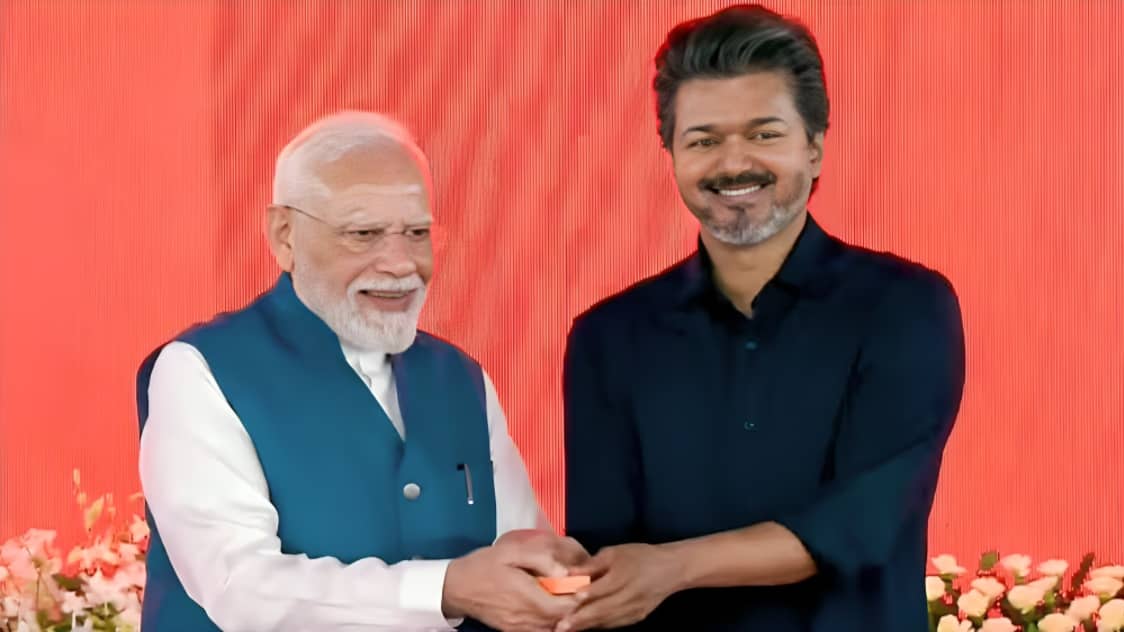
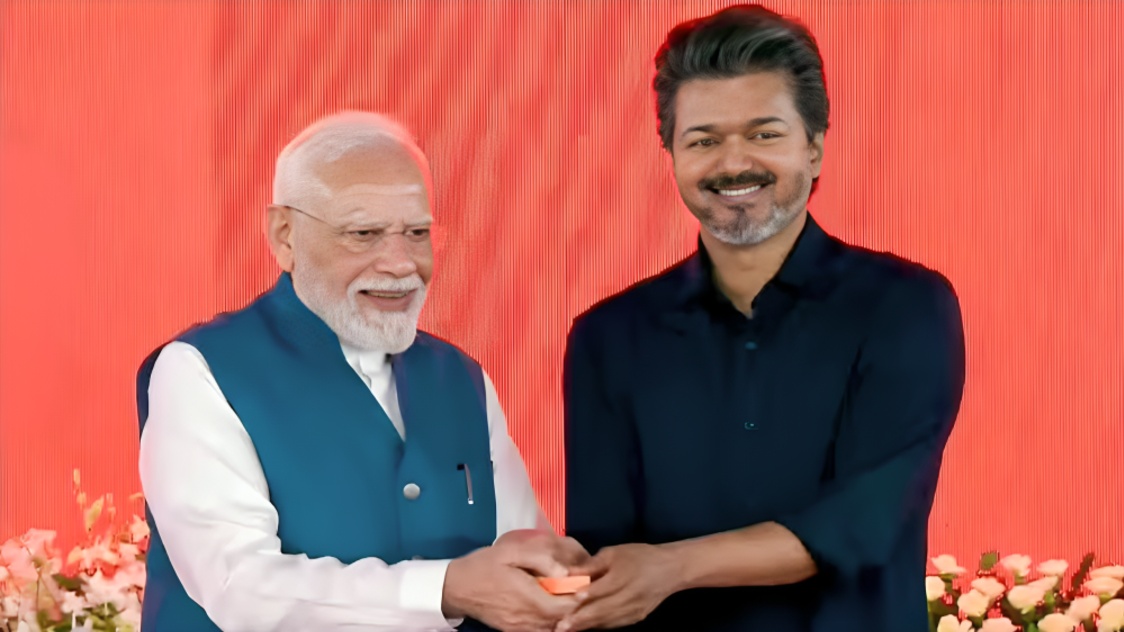
Tamil Nadu Chief Minister C. Joseph Vijay has urged Prime Minister Narendra Modi to release Rs 5,110 crore in pending central funds under the Samagra Shiksha Abhiyan without imposing conditions. During the Prime Minister’s visit to Chennai on October 11, the Chief Minister also presented a series of requests covering education, urban transport, highways, high-speed rail connectivity, water resources and the use of Tamil in the Madras High Court.
Vijay raised the demands at an event held in Chennai during which the Prime Minister inaugurated and launched several infrastructure projects in the state. The Chief Minister welcomed the projects while asking the Union government to extend further support to Tamil Nadu’s development priorities. <Cite refs={["turn334262search0","turn334262search1"]}/>
Request to release Rs 5,110 crore in education funds
One of Vijay’s principal demands concerned the release of Rs 5,110 crore that Tamil Nadu says is pending under the centrally sponsored Samagra Shiksha Abhiyan, a school education programme.
The Chief Minister asked the Union government to release the funds without conditions. The issue is part of a wider disagreement between Tamil Nadu and the Centre over the implementation of the PM-SHRI school scheme and the National Education Policy.
Tamil Nadu has opposed the National Education Policy’s three-language formula and has continued to support its two-language policy. The state has argued that linking education funding to participation in another scheme places it in a difficult position. The Centre’s position on the programme and the state’s objections have become part of the ongoing policy debate.
The release of the pending amount is important to the state’s demand for continued financial support for school education. However, the final decision on the funds rests with the Union government and the applicable scheme requirements. <Cite refs={["turn334262search1","turn334262search14"]}/>
Early approval for Chennai Metro Phase III
Vijay also requested early approval for Chennai Metro Rail Phase III. The proposed expansion is intended to improve connectivity across additional parts of the metropolitan region.
The routes highlighted in the state’s proposal include Airport to Kilambakkam, Poonamallee to Sunguvarchatram and Koyambedu to Pattabiram. The proposed corridors would extend rail-based public transport to more residential, commercial and industrial areas.
The request came as the Prime Minister inaugurated the Poonamallee-Vadapalani stretch of Chennai Metro Phase II. The newly opened section was presented as part of the broader effort to improve public transport and reduce dependence on road traffic.
Vijay welcomed the Centre’s support for the metro project but argued that further expansion was needed to meet Chennai’s future transport requirements. Approval, funding and implementation of the next phase would depend on the relevant project assessments and government decisions. <Cite refs={["turn334262search0","turn334262search12"]}/>
Metro projects sought for Coimbatore and Madurai
The Chief Minister asked the Union government to reconsider metro rail proposals for Coimbatore and Madurai. He cited the future development and economic importance of these cities in western and southern Tamil Nadu.
Coimbatore is a major industrial and commercial centre, while Madurai serves as an important urban, educational, medical and commercial hub in southern Tamil Nadu. Better public transport could help residents travel more efficiently and support the movement of workers, students and visitors.
The metro proposals have faced questions relating to feasibility, projected passenger numbers and other technical considerations. Vijay’s request seeks renewed consideration of the projects in light of the cities’ future growth.
The proposals have not been approved simply because the Chief Minister raised them. Their progress will depend on the Centre’s assessment, the project plans and the funding arrangements required for implementation. <Cite refs={["turn334262search0","turn334262search1"]}/>
Interstate metro link between Hosur and Bommasandra
Vijay also sought approval for an interstate metro rail connection between Hosur in Tamil Nadu and Bommasandra in Karnataka. The proposed link is intended to improve connectivity between two areas associated with industrial activity and employment.
An integrated transport connection could make daily travel easier for workers moving between the two states and potentially strengthen links between neighbouring industrial zones. The proposal would also require coordination between the governments and relevant transport authorities in Tamil Nadu and Karnataka.
The Chief Minister asked the Union government to consider the corridor for the benefit of both states. Its development would depend on the completion of technical assessments, agreement on responsibilities and the necessary approvals.
High-speed rail and highway improvements
The Chief Minister welcomed the high-speed rail corridors connecting Chennai with Bengaluru and Hyderabad that were announced in the Union Budget for 2026. He said these connections could benefit Tamil Nadu and the wider region by improving intercity travel and supporting economic activity.
Vijay also requested priority approval for key highway projects. His demands included six-laning works on major national highway stretches and an elevated corridor between Madhavaram and Sholavaram.
Improved road and rail connections can help reduce travel bottlenecks, support freight movement and connect residential areas with industrial and commercial centres. However, the timing and implementation of each project depend on approvals, funding, land requirements and technical clearances.
The Chief Minister’s requests form part of a broader effort to improve transport links within Tamil Nadu and between the state and neighbouring regions. <Cite refs={["turn334262search0","turn334262search15"]}/>
Priority for the Godavari-Cauvery river-linking project
Water management was another important subject raised by Vijay. He urged the Union government to give priority to the Godavari-Cauvery river-linking project and take it up as a national project.
The proposed link has long been discussed as a way to transfer water between river basins and potentially improve water availability in parts of southern India. Supporters argue that such a project could help address regional water requirements, including agricultural needs.
However, a river-linking initiative of this scale involves complex questions concerning water availability, environmental effects, engineering feasibility, funding and the interests of the states concerned. Its progress would require detailed assessment and coordination among the relevant governments.
Vijay asked the Centre to advance the proposal as part of its wider water-resource planning. The request does not mean that the project has received final approval or that implementation has begun. <Cite refs={["turn334262search15","turn334262search0"]}/>
Request to use Tamil in Madras High Court proceedings
The Chief Minister also raised the use of Tamil in proceedings of the Madras High Court. He referred to the Tamil Nadu Legislative Assembly’s resolution on the matter, which had been sent for presidential assent.
The request is connected to a broader discussion about the use of regional languages in judicial proceedings. Supporters say that allowing Tamil in court could help litigants understand proceedings and participate more comfortably in legal processes.
Any change would need to follow the applicable constitutional and legal procedures. The Chief Minister’s statement was a request for action, rather than confirmation that Tamil had been authorised for all proceedings of the High Court.
Focus on development across Tamil Nadu
Vijay said that the benefits of development should extend beyond Chennai and reach districts throughout the state. He also highlighted his government’s ambition to help Tamil Nadu become a 1.5-trillion-dollar economy by 2036, with an emphasis on innovation, investment and infrastructure.
The demands presented to the Prime Minister covered several areas of public policy, from school education funding and urban transport to highways, rail connectivity, water management and language in the judiciary.
The next steps will depend on decisions by the Union government and the relevant authorities. The requests made during the Prime Minister’s visit outline the Tamil Nadu government’s priorities, but each proposal will require its own assessment, approval and funding before it can be implemented.
The central issue now is whether the pending education funds will be released and how the Centre will respond to the state’s requests for additional infrastructure and policy support.