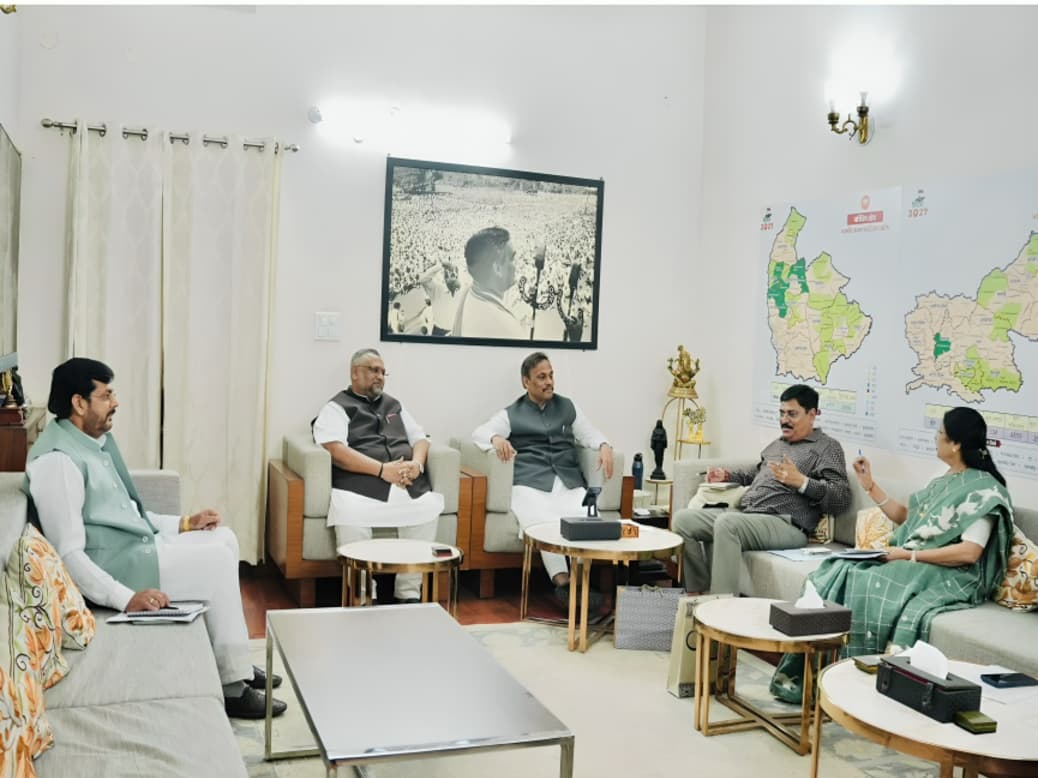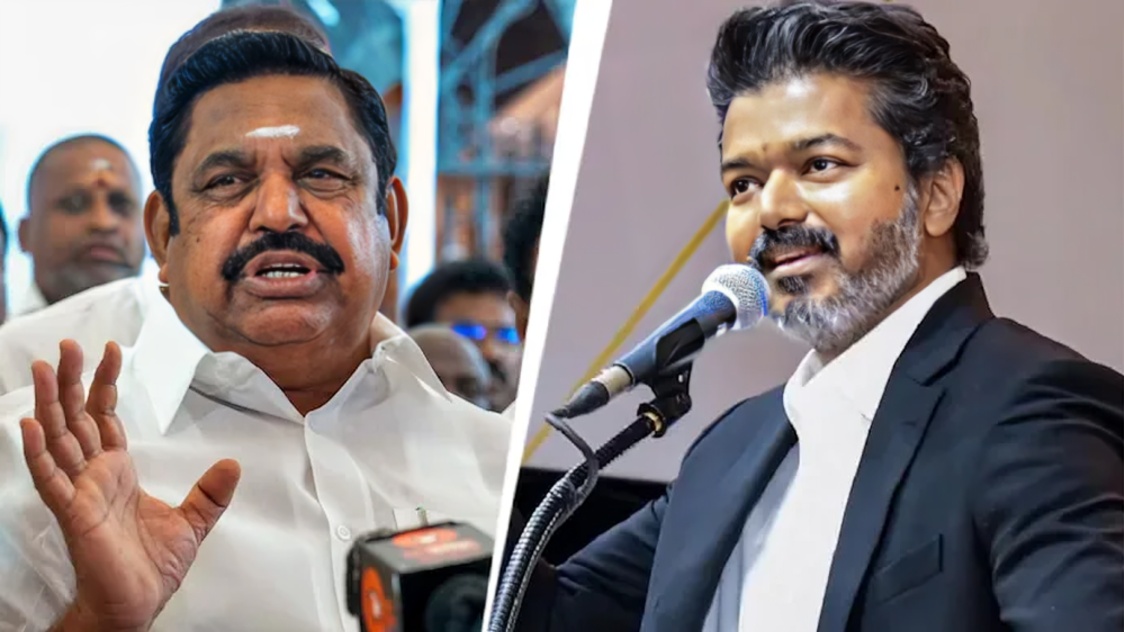
Tamil Nadu Chief Minister Vijay is scheduled to meet Members of Parliament from the state to discuss the Centre’s proposed delimitation exercise and its possible implications for Tamil Nadu. The meeting is expected to bring together MPs to discuss concerns related to parliamentary representation and the possible impact of any future changes in constituency boundaries.
The proposed delimitation exercise has emerged as an important political issue in Tamil Nadu. Delimitation refers to the process of redrawing the boundaries of electoral constituencies based on population and other constitutional provisions. Any changes to constituency boundaries can have implications for the distribution of parliamentary seats and political representation among states.
Tamil Nadu has been among the states that have raised concerns about the possible consequences of delimitation based primarily on population figures. The debate has focused on whether states that have successfully implemented population control measures could face a reduction in their relative representation if seats are redistributed using population as a major factor.
Against this backdrop, the proposed meeting between Chief Minister Vijay and the state's MPs is expected to provide an opportunity for representatives to discuss the issue and consider Tamil Nadu's position. The discussions may also focus on the need to protect the state's political representation and ensure that any future exercise takes into account the concerns of states that have followed population control policies.
However, DMK MPs have decided to boycott the meeting. The party has cited its demand for an all party discussion on the Mekedatu issue as the reason for staying away from the proposed meeting.
The Mekedatu issue concerns a proposed water project across the Cauvery River in Karnataka. Tamil Nadu has consistently raised objections to the project, citing concerns over its potential impact on the state's share of Cauvery water. The issue has remained politically sensitive between Tamil Nadu and Karnataka.
The DMK has argued that the Mekedatu matter requires discussion involving political parties in Tamil Nadu. Its decision to boycott the Chief Minister's meeting reflects the party's position that the water dispute should also receive attention alongside other major state issues.
The boycott is likely to add another layer to the political discussion surrounding the proposed delimitation exercise. While the meeting is intended to discuss a national constitutional issue affecting parliamentary representation, differences among Tamil Nadu's political parties could influence the nature of the discussions.
Delimitation is constitutionally linked to the allocation of seats in the Lok Sabha and state legislative assemblies. The process is generally undertaken following a census and involves determining constituency boundaries and representation. The timing and methodology of any future delimitation exercise have therefore become important subjects of discussion among political parties across India.
For Tamil Nadu, the issue has particular significance because of its demographic and political history. The state has experienced significant reductions in population growth over several decades. Political leaders have argued that states should not be disadvantaged in parliamentary representation because they successfully implemented family welfare and population control measures.
The Centre's proposed delimitation plans have therefore prompted political parties and state governments to examine their potential consequences. Tamil Nadu leaders have sought assurances that the state's representation will not be adversely affected.
The upcoming meeting is expected to provide a platform for MPs to exchange views and discuss possible approaches to the issue. The participation of MPs from different political parties could have helped present a broader view of Tamil Nadu's concerns at the national level.
However, the DMK's decision to boycott means that one of the state's major political parties will not participate in the meeting. The party's demand for an all party discussion on Mekedatu is expected to remain a key point of contention.
The development highlights the wider political challenges involved in building consensus on major issues affecting Tamil Nadu. Delimitation involves constitutional and national considerations, while the Mekedatu dispute involves interstate water sharing and the interests of Tamil Nadu and Karnataka.
The two issues are separate in their legal and constitutional contexts, but both have significant political importance in Tamil Nadu. The state government and political parties are expected to continue discussions on how Tamil Nadu's interests can be protected.
As the debate over delimitation continues, the participation of different political parties will remain important for building a common position. The outcome of discussions between the state government and MPs could influence how Tamil Nadu presents its concerns before the Centre.
The proposed meeting between Chief Minister Vijay and MPs is therefore being closely watched. The DMK boycott, meanwhile, demonstrates the continuing differences among political parties over the issues that should be prioritised in discussions involving the state and the Centre.
Further developments are expected as political parties assess the implications of the proposed delimitation exercise and continue to press their respective demands on issues including parliamentary representation and the Mekedatu project.