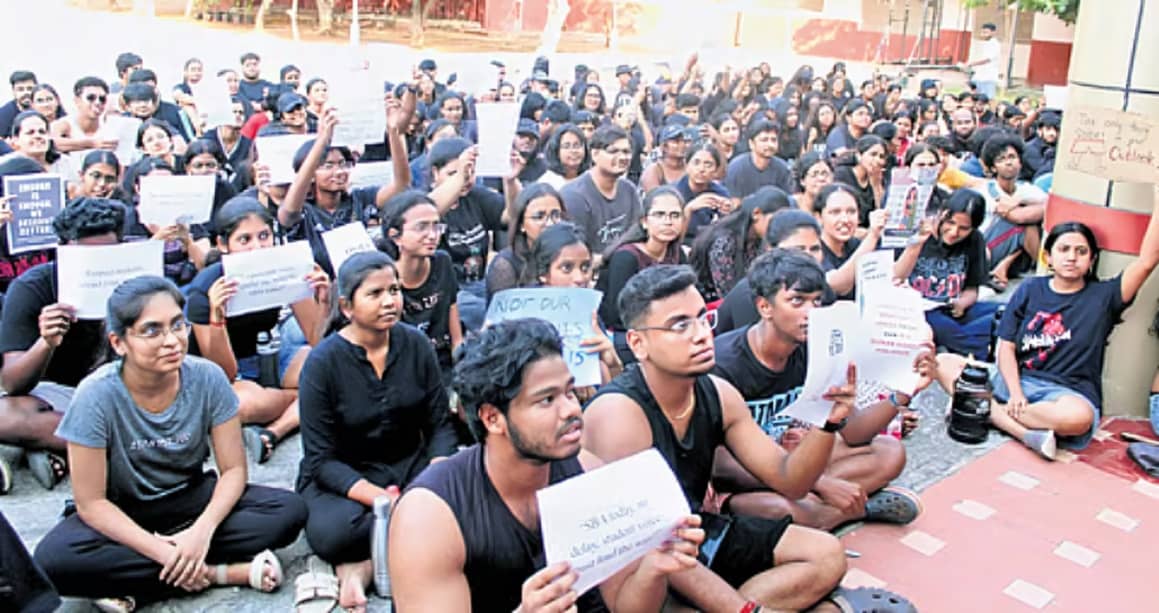
The Tamil Nadu government has withdrawn a controversial directive issued by the Directorate of Collegiate Education concerning the participation of students and young people in protests and agitations.
The original directive instructed departments and concerned authorities to coordinate measures aimed at discouraging students and youth from participating in protests. The communication reportedly referred specifically to protests associated with Left wing organisations and the Cockroach Janta Party.
The directive attracted attention because of its potential implications for students participating in public demonstrations and political activities. Critics raised concerns that such instructions could affect students' freedom of expression and their ability to participate in peaceful democratic activities.
Following the controversy, the Tamil Nadu government decided to withdraw the directive. The decision has been viewed as an attempt to address concerns raised by civil society groups and others who questioned the scope of the earlier instruction.
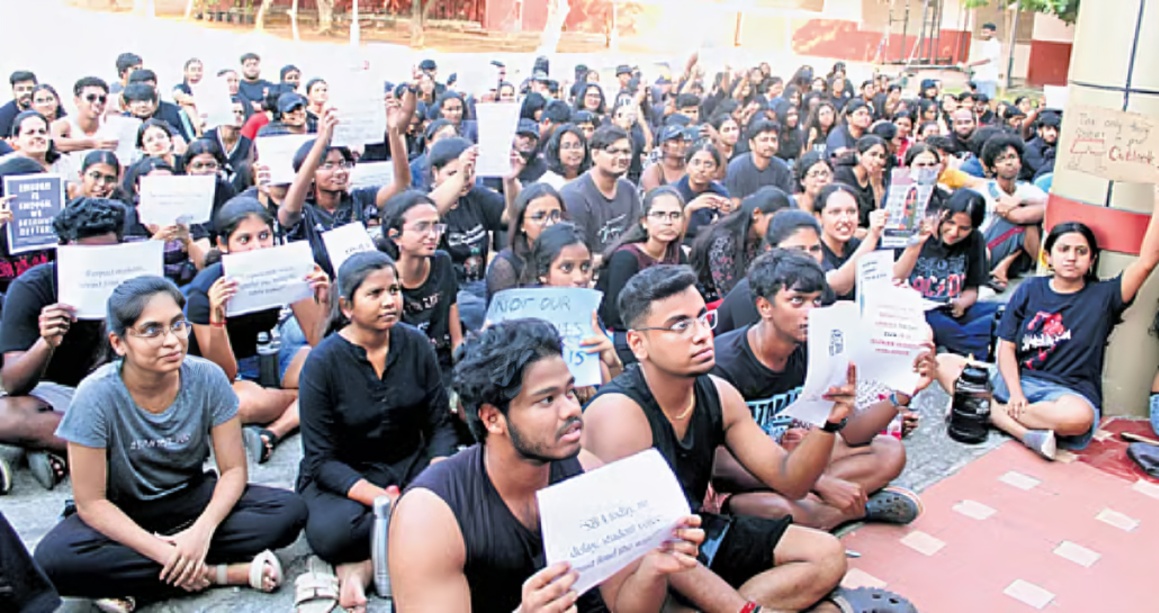
The issue comes against the backdrop of protests involving students and the Cockroach Janta Party over allegations concerning the National Eligibility cum Entrance Test. The protests had attracted national attention, with the organisation raising several demands related to education and examination reforms.
The Cockroach Janta Party had earlier conducted a prolonged protest at Jantar Mantar in New Delhi. The agitation was subsequently called off following the resignation of Union Education Minister Dharmendra Pradhan and assurances from the government regarding some of the protesters' demands.
The issue of cases registered against student protesters has also been discussed at the national level. The Supreme Court subsequently clarified that states could withdraw cases registered against students during the protests, provided the prescribed legal procedure was followed. The court also clarified the meaning of criminal antecedents in the context of its earlier directions.
In Tamil Nadu, the government had separately announced that cases registered against students who participated in protests against the National Eligibility cum Entrance Test would be withdrawn. School Education Minister A Rajmohan said the decision was taken following directions from Chief Minister C Joseph Vijay.
Against this background, the withdrawal of the Collegiate Education Directorate directive has become another significant development concerning student participation in protests.
The original instruction reportedly sought coordination between relevant departments and authorities to discourage students from becoming involved in demonstrations. Officials were also expected to report the steps taken in this regard.
However, concerns were raised about whether such administrative instructions could interfere with students' constitutional freedoms. Peaceful assembly and freedom of expression are important elements of democratic participation, although participation in protests remains subject to applicable laws and regulations.
The government's decision to withdraw the directive means that the earlier instruction will no longer serve as the basis for the proposed coordinated measures. The move is likely to be closely watched by student organisations, educational institutions and civil society groups.
At the same time, the withdrawal of the directive should not be interpreted as removing all legal restrictions concerning protests. Students, like other citizens, remain subject to laws governing public assemblies, public order and unlawful activities.
The development also highlights the importance of clearly defining the role of educational institutions in matters involving student participation in public and political activities. Colleges have responsibilities relating to academic discipline and campus administration, while students also have rights to express their views within the framework of the law.
The Tamil Nadu government's latest decision is therefore significant from both an administrative and democratic perspective. It follows criticism of the earlier directive and comes at a time when student protests and education-related movements have become an important political issue.
Further details regarding the reasons for withdrawing the directive and whether any revised guidelines will be issued by the Higher Education Department may become clear in subsequent government communications.
For now, the key development is that the earlier directive issued through the Collegiate Education administration has been withdrawn, ending the immediate controversy surrounding those instructions.