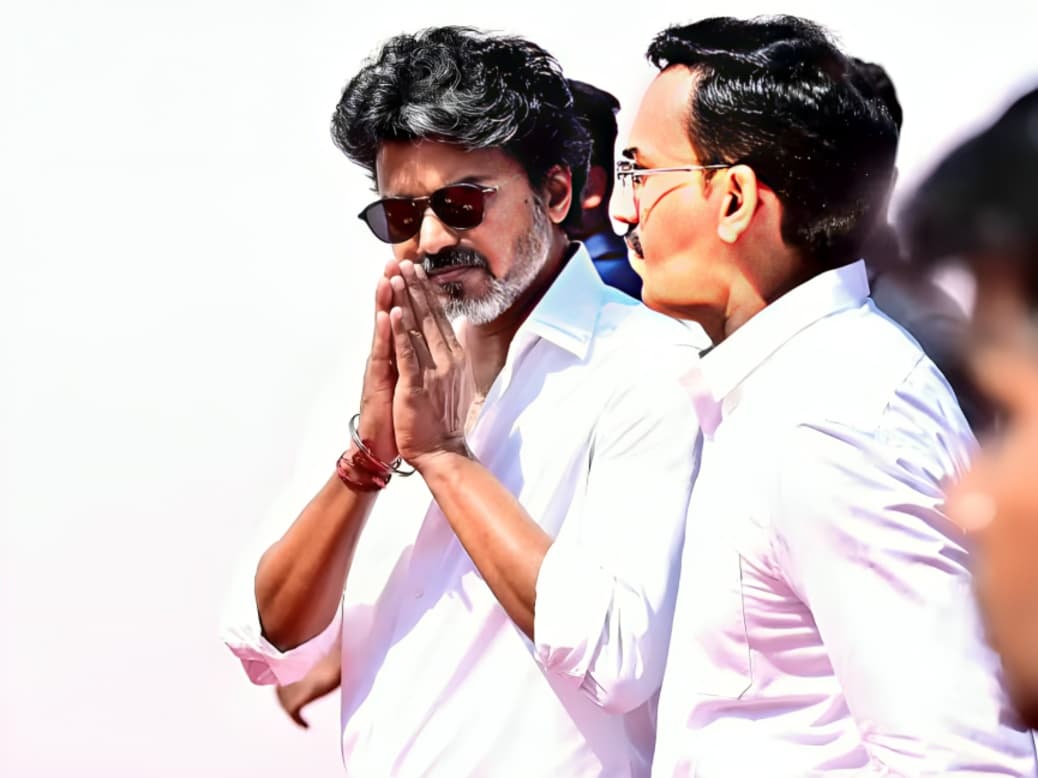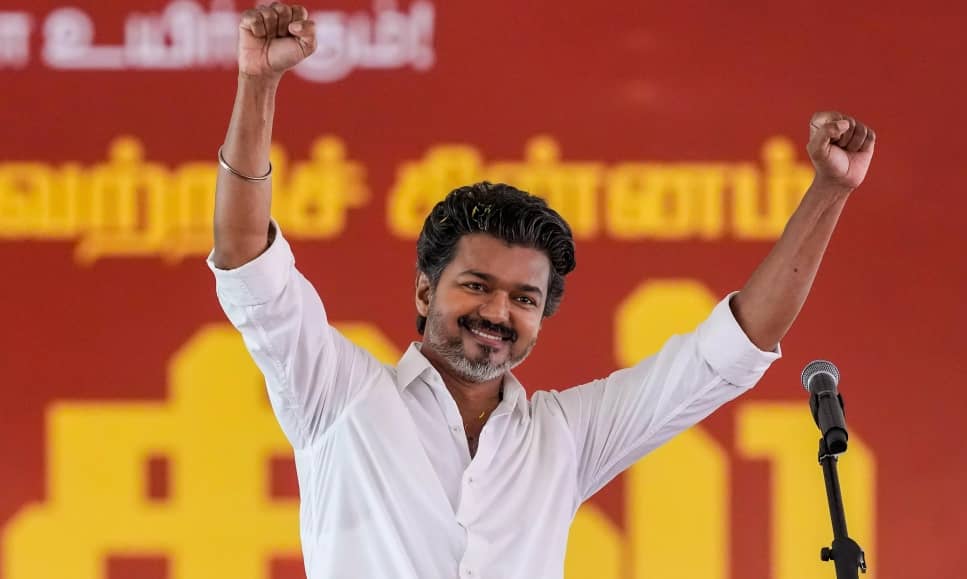
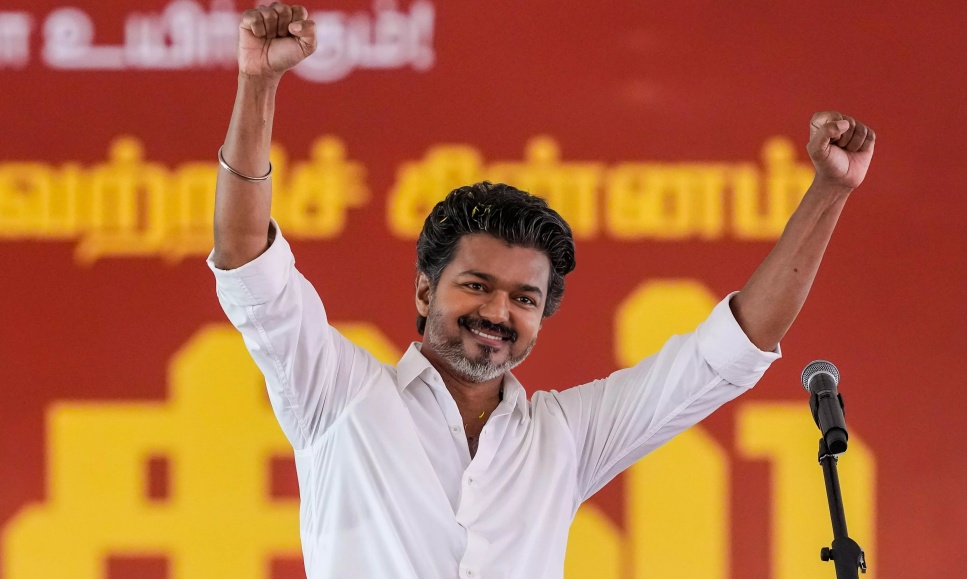
Tamil Nadu’s political landscape is witnessing intense discussion ahead of the 2026 Assembly elections, particularly regarding possible government formation scenarios if Vijay and his political party Tamilaga Vettri Kazhagam fail to secure a clear majority in the state assembly.
With political parties strengthening their campaigns and alliances, analysts believe the 2026 elections could result in a highly competitive contest among major political forces in the state. The emergence of TVK as a political force has increased public attention on possible post-election developments, especially if no single party secures enough seats to independently form the government.
According to political observers, if TVK emerges as the single largest party but fails to prove majority support in the Assembly, several constitutional and political possibilities could arise. In such a situation, the Governor may invite the party to form the government and ask it to prove majority support within a specified period on the Assembly floor.
If TVK is unable to secure the required support from independent legislators or alliance partners, Tamil Nadu could witness alternative coalition arrangements among other parties. Political experts suggest that regional alliances may play a decisive role in determining the stability of the next government.
Another possibility discussed in political circles is the formation of a minority government supported externally by other political parties. In Indian politics, minority governments have functioned in several states and at the national level with outside support from alliance partners. However, such governments often face challenges related to political stability and legislative support.
There are also discussions regarding the possibility of President’s Rule if no political party or alliance is able to demonstrate majority support. Under constitutional provisions, President’s Rule can be imposed in a state if stable governance cannot be established. In such a case, the Assembly may either be suspended or dissolved, followed by fresh elections at a later stage.
Meanwhile, remarks reportedly made by M. K. Stalin have attracted political attention. According to reports, the DMK leader stated that if a TVK government is formed, it would not be disturbed for six months. Political analysts believe the statement reflects the evolving political dynamics in Tamil Nadu ahead of the election season.
Supporters of TVK view Vijay’s political entry as a major shift in Tamil Nadu politics, particularly among younger voters and first-time voters. The party has been focusing on public outreach programs, social welfare discussions and grassroots-level engagement to strengthen its support base across the state.
At the same time, established political parties including the DMK and AIADMK continue to maintain strong organizational structures and voter networks. Experts believe alliance strategies, campaign messaging and voter turnout will play crucial roles in deciding the final outcome of the 2026 elections.
Political developments in the coming months are expected to shape the future electoral landscape of Tamil Nadu. As parties continue preparing for the elections, discussions regarding coalition possibilities and government formation scenarios are likely to remain a major topic in the state’s political environment.