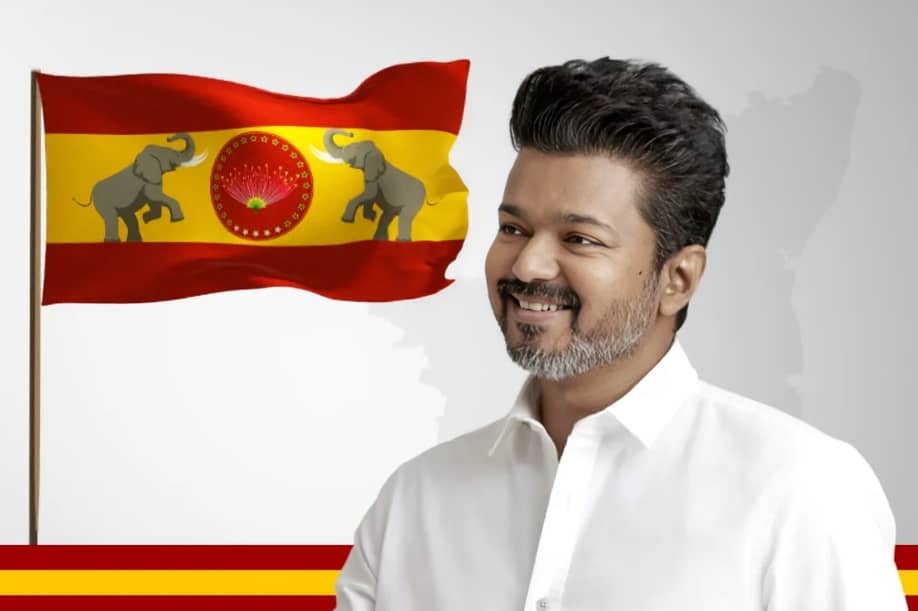

The political landscape of Tamil Nadu is witnessing a major transformation with the emergence of Tamilaga Vettri Kazhagam as a strong force. Led by actor turned politician Vijay, the party has gained significant traction by adopting a unique campaign strategy that relies heavily on social media and direct engagement with voters.
Unlike traditional political campaigns that depend on television debates, press conferences, and large scale rallies, TVK chose a different path. Vijay limited his appearances in conventional media and instead focused on building a strong digital presence. Social media platforms played a central role in reaching voters, especially younger audiences who are increasingly consuming political content online.
The party effectively utilized its extensive fan network, which had been built over years during Vijay’s film career. This network was mobilized to spread campaign messages, organize local level outreach, and engage with communities. The strategy allowed the party to maintain a consistent and targeted communication approach without relying heavily on mainstream media channels.
TVK’s campaign also emphasized key issues that resonated with the public. Rather than addressing a wide range of topics, the party focused on specific concerns such as governance, development, and public welfare. This helped create a clear and focused narrative, making it easier for voters to understand the party’s objectives and policies.
Another important aspect of the campaign was its ability to create a strong personal connection between Vijay and the voters. Through carefully crafted messages and digital outreach, the party projected an image of accessibility and responsiveness. This approach helped build trust and encouraged greater participation among supporters.
The success of TVK in the elections reflects a broader shift in political campaigning. With increasing internet penetration and smartphone usage, digital platforms are becoming more influential in shaping public opinion. Political parties are now recognizing the importance of online engagement and data driven strategies to reach a wider audience.
TVK’s performance has also challenged the dominance of established parties like DMK and AIADMK. For decades, these parties have played a central role in Tamil Nadu politics. However, the rise of a new political force indicates that voters are open to alternatives and are willing to support parties that offer a different approach.
Experts believe that TVK’s strategy could influence future elections not only in Tamil Nadu but also in other parts of the country. The use of social media algorithms, targeted messaging, and grassroots mobilization through fan networks represents a new model of political campaigning.
At the same time, sustaining this success will require consistent performance and effective governance. While digital campaigns can help win elections, long term credibility depends on delivering on promises and addressing public concerns.
Overall, the emergence of TVK under Vijay’s leadership highlights a significant shift in Tamil Nadu politics. The party’s innovative campaign strategy and strong voter engagement have set a new benchmark, indicating that the role of technology and digital platforms will continue to grow in shaping the future of elections.