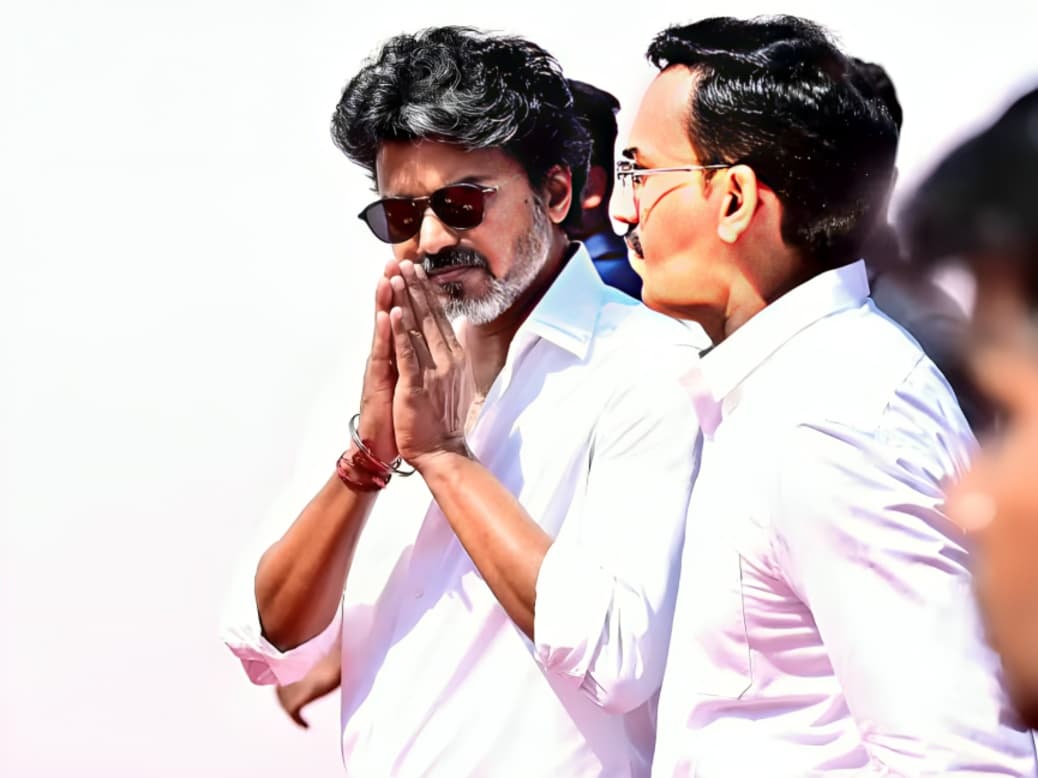
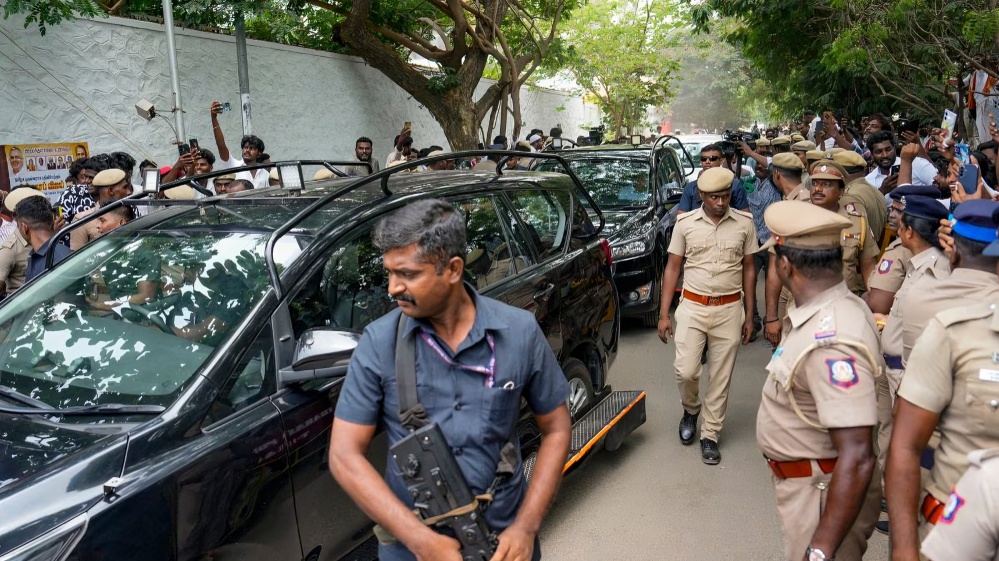
Tamil Nadu is witnessing significant political developments following the recent Assembly election results, with Tamilaga Vettri Kazhagam emerging as a major force. The party, led by actor turned politician Vijay, has secured 108 seats, placing it in a strong position but still short of the majority required to form the government independently.
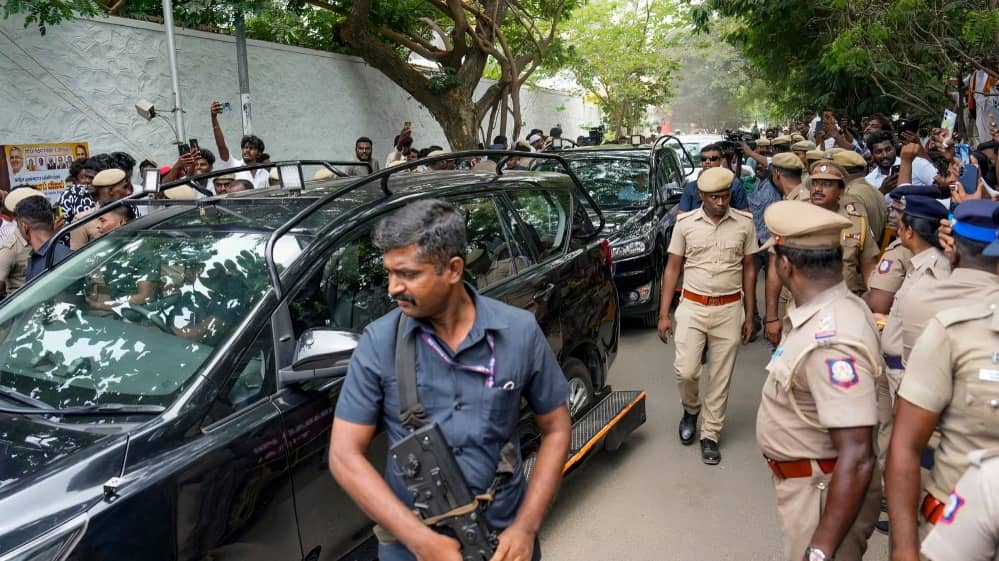
In the aftermath of the election results, TVK MLAs have been accommodated at a luxury resort in Mamallapuram. Such arrangements are often made by political parties to ensure unity among elected representatives during crucial phases of government formation. Keeping MLAs together helps prevent any potential shifts in allegiance and allows party leadership to hold discussions in a controlled environment.
The focus has now shifted to alliance building, with the Tamil Nadu Congress indicating its support for TVK. This development is expected to play a decisive role in enabling the party to cross the majority mark in the Assembly. Political analysts believe that this alliance could reshape the power structure in the state and influence future political alignments.
The emergence of TVK has disrupted the traditional political dominance of established parties in Tamil Nadu. For decades, the state’s politics has been largely influenced by major regional parties. However, the latest election results suggest a shift in voter preferences, with increased support for new political alternatives.
The current situation has also prompted opposition parties to reassess their strategies. With a new political force gaining prominence, established parties may need to adapt their approach to remain competitive. This includes revisiting campaign strategies, strengthening grassroots connections, and addressing key issues that resonate with voters.
The process of government formation is expected to involve several rounds of discussions and negotiations. Party leaders are likely to focus on ensuring stability and building a coalition that can effectively govern the state. At the same time, maintaining unity among MLAs will remain a priority for TVK leadership.
Political observers note that coalition governments can present both opportunities and challenges. While alliances can help bring together diverse perspectives, they also require careful coordination and compromise among partners. The success of such a government depends on the ability of parties to work together and deliver on their commitments.
The developments in Tamil Nadu are also being closely watched at the national level. The rise of a new political party and its potential to form a government could influence political trends beyond the state. It may encourage similar movements in other regions and contribute to a more dynamic political environment across the country.
As the situation continues to evolve, all eyes are on the next steps taken by TVK and its allies. The coming days will be crucial in determining the final shape of the government and the direction of Tamil Nadu’s political future.
Overall, the current developments mark an important phase in the state’s political history, with new alliances and leadership dynamics shaping the path ahead.