The Vishva Hindu Parishad has criticised the Congress Working Committee's decision to continue singing only the first two stanzas of Vande Mataram at party events. The development has intensified the ongoing political debate over the national song and the manner in which it should be performed at public and political functions.
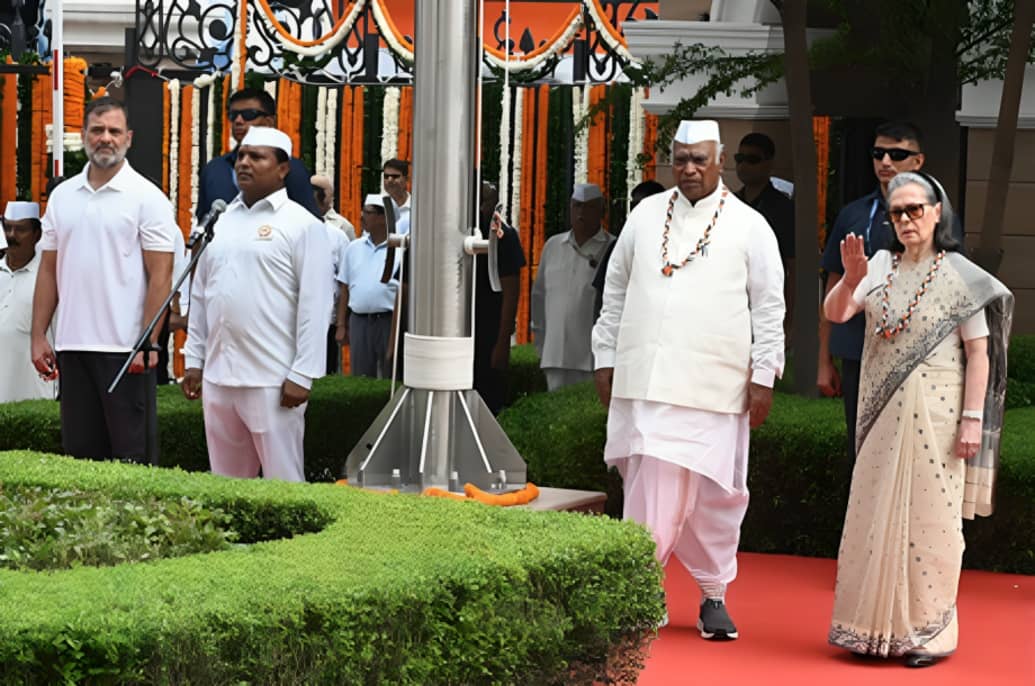
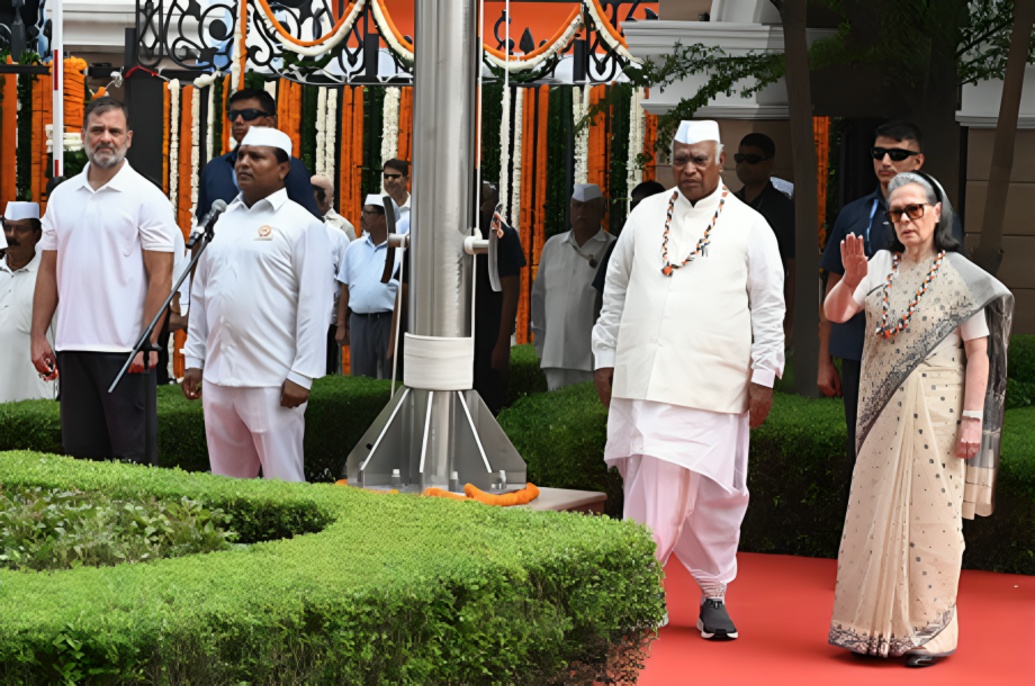
The Congress Working Committee reaffirmed its position on Wednesday that only the first two stanzas of Vande Mataram would be sung at party events. The party linked the decision to a resolution adopted by its highest decision making body in 1937.
Reacting to the decision, VHP national spokesperson Vinod Bansal criticised the Congress and alleged that the party's position was influenced by what he described as appeasement politics. He also alleged that the decision reflected a foreign mindset and questioned the Congress's approach towards the cultural and historical significance of Vande Mataram. These are allegations made by the VHP and represent its position in the ongoing political dispute.
According to Bansal, the remaining portions of the song contain references that he considers closely connected with Indian traditions, culture and national ethos. He argued that choosing not to sing those portions amounted to disregarding elements that, in his view, represent India's cultural heritage.
The Congress, however, has defended its decision by pointing to its historical position on the song. The party has maintained that the first two stanzas have traditionally been used for public rendition and that this practice dates back to the 1937 resolution.
The controversy comes amid a wider national discussion over Vande Mataram. The song has historically played an important role in India's freedom movement and was accorded the status of the National Song after independence. It holds equal honour with the National Anthem, Jana Gana Mana. The first two stanzas have traditionally been the portion used in public settings.
The issue has gained additional political significance following recent government measures concerning the rendition of Vande Mataram at official functions. The debate has brought questions about the historical version of the song, its cultural references and the distinction between party events and official government functions into the political discussion.
The controversy has also drawn reactions from other political leaders. The Bharatiya Janata Party has criticised Congress over its decision, while Congress leaders have defended their historical interpretation of the song. Congress president Mallikarjun Kharge has argued that the version followed by the party is consistent with the way leaders including Mahatma Gandhi, Jawaharlal Nehru and Sardar Vallabhbhai Patel historically sang the song.
The dispute therefore involves both historical and contemporary political questions. While the VHP and other critics argue that the complete song should receive greater recognition, Congress has maintained its established position regarding the two-stanza rendition at party programmes.
The latest exchange between the VHP and Congress is expected to keep the issue in the political spotlight, particularly as discussions continue over national symbols, cultural identity and the historical legacy of the freedom movement.
It is important to distinguish political allegations from established facts. The VHP's statements regarding appeasement politics and a foreign mindset are political allegations made by its spokesperson and should not be presented as independently established facts. Similarly, Congress's explanation is based on its stated historical position and should be understood in that context.
The debate over Vande Mataram is therefore likely to continue as political parties and organisations express differing views on its historical interpretation and contemporary rendition.