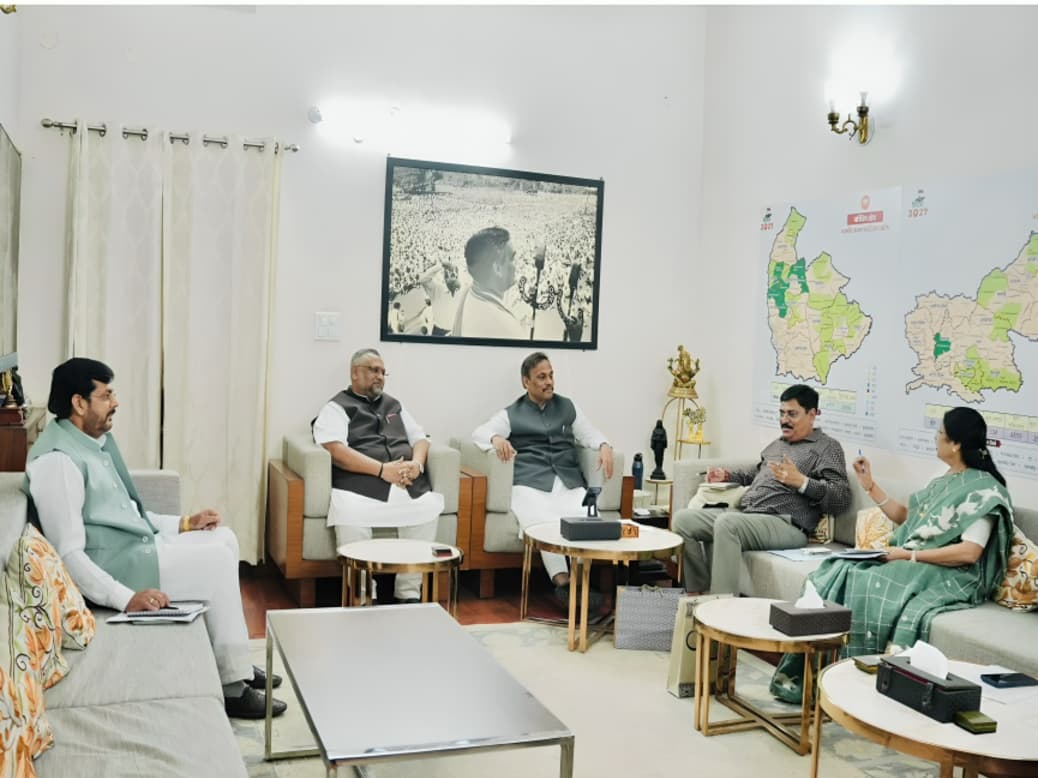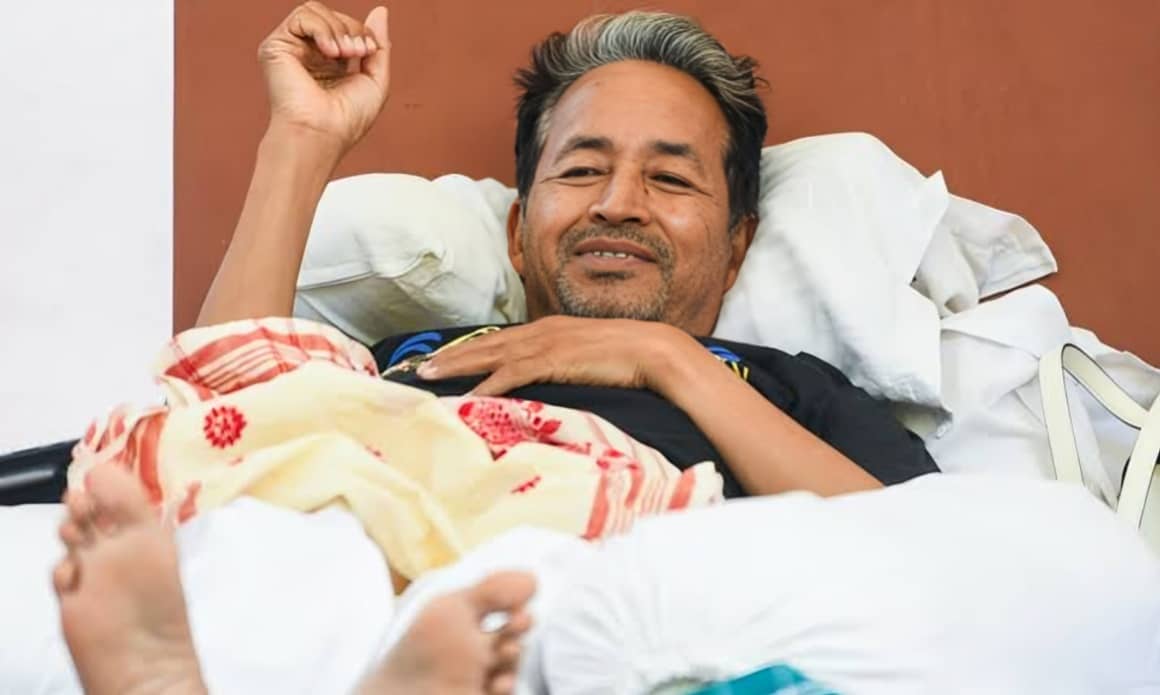

Congress Member of Parliament Vivek Tankha has expressed relief following environmentalist and education reform advocate Sonam Wangchuk's decision to end his hunger strike. Tankha said the conclusion of the fast was a positive development, particularly considering the concerns that had been raised about Wangchuk's health during the course of the protest.
Speaking on the development, Tankha said he and several other opposition Members of Parliament had appealed to Wangchuk to end his hunger strike. According to him, while the issues raised by the activist deserve attention, protecting his health and well being was equally important.
Tankha noted that democratic societies provide space for peaceful protests and public dialogue. He said individuals and organizations have the right to express their concerns through lawful and nonviolent means, while governments and institutions should engage constructively with issues raised by citizens.
Sonam Wangchuk, known for his work in education, innovation, and environmental conservation, has been associated with campaigns focusing on sustainable development and issues affecting the Himalayan region. His public initiatives have often attracted national attention and sparked discussions on environmental protection, governance, and regional development.
The hunger strike had drawn support and attention from various public figures, civil society groups, and political leaders, many of whom expressed concern about Wangchuk's health while also acknowledging the importance of the issues he highlighted. Appeals were made from different quarters requesting him to conclude the fast and continue his advocacy through dialogue and democratic engagement.
Tankha reiterated that meaningful discussions between stakeholders are essential for addressing public concerns effectively. He said constructive engagement and institutional dialogue remain important mechanisms for finding practical and lasting solutions to complex issues.
The Congress leader also emphasized that public representatives have a responsibility to encourage peaceful democratic processes while ensuring that the health and safety of individuals participating in protests are not compromised. He expressed hope that the concerns raised during the campaign would receive due consideration through appropriate channels.
The conclusion of Wangchuk's hunger strike has renewed attention on the broader issues he has been advocating. Public discussions continue regarding sustainable development, environmental conservation, and policies affecting ecologically sensitive regions. Experts have often highlighted the importance of balancing economic development with environmental protection and community welfare.
Political observers noted that the development has generated responses from leaders across different political backgrounds, reflecting the significance of the issues involved. Many have called for continued dialogue among stakeholders to address concerns through consultation and consensus.
With the hunger strike now concluded, attention is expected to shift toward future discussions and policy engagement on the matters raised during the campaign. Leaders from various sections have expressed hope that peaceful dialogue and democratic processes will contribute to meaningful outcomes.
Vivek Tankha concluded by expressing satisfaction that Wangchuk had ended the fast and wished him good health. He reiterated that while peaceful protest remains an important democratic right, preserving the well being of those participating in such movements is equally important. The focus, he said, should now be on constructive discussions and efforts to address the concerns raised through appropriate institutional mechanisms.