AAP Gives Delhi Government 24-Hour Ultimatum to Withdraw Home Alcohol Delivery Policy
The Aam Aadmi Party has criticised the Delhi government's home alcohol delivery policy and issued a 24-hour ultimatum demanding its withdrawal. The party has warned of protests if the government fails to meet its demand within the specified period. The controversy has intensified political disagreements between the AAP and the government led by Chief Minister Rekha Gupta.
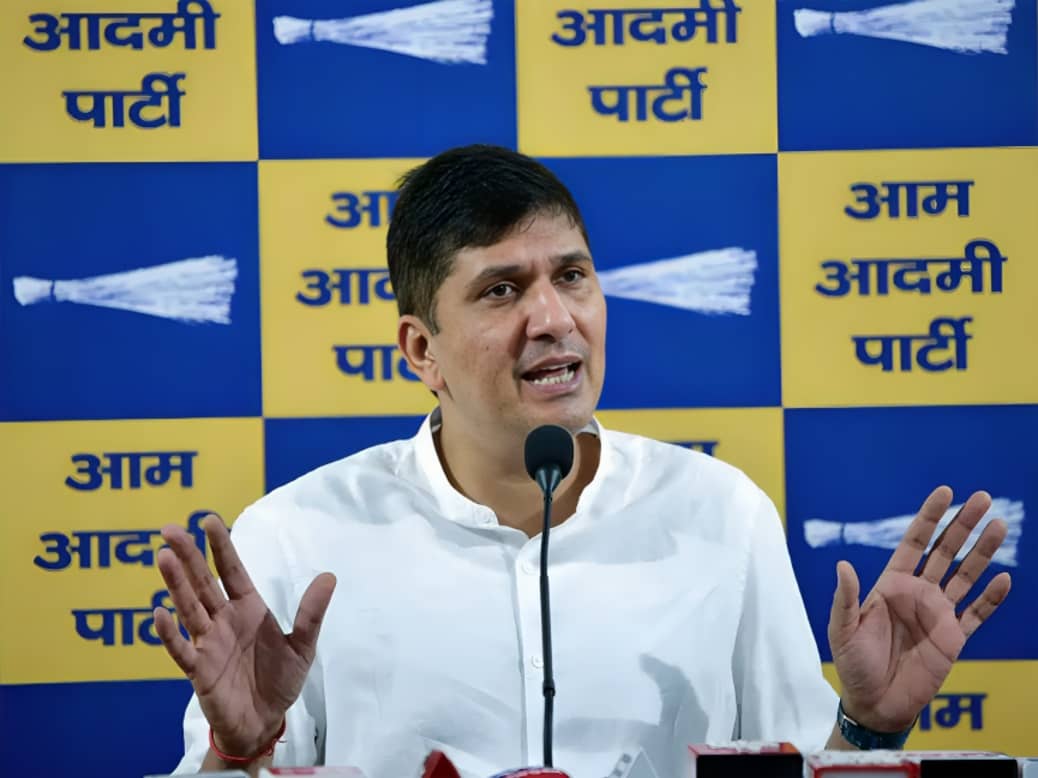
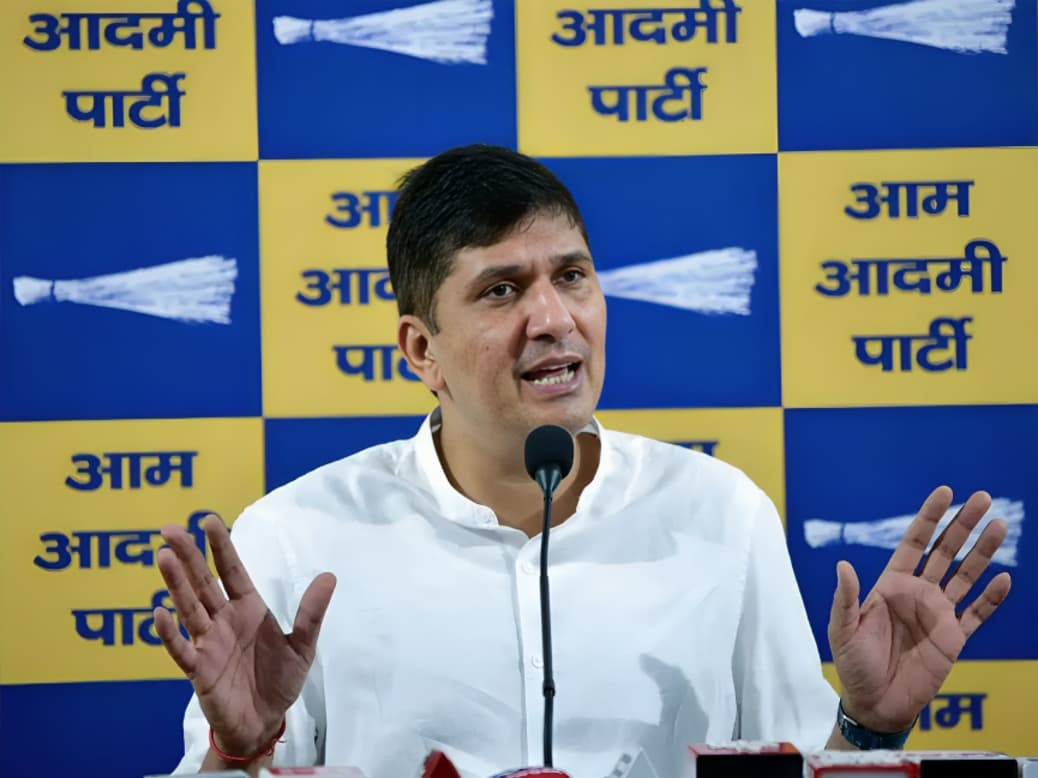
AAP leader Saurabh Bharadwaj raised concerns about the government's priorities and questioned the decision to introduce a policy related to home delivery of alcoholic beverages. He argued that the administration should focus more on essential public services, including healthcare, rather than initiatives associated with alcohol sales.
Bharadwaj criticised the policy and reportedly described it as an inappropriate move by the Delhi government. He also questioned the message the initiative could send to women and families. His remarks reflect the opposition party's objections to the government's approach to alcohol-related policy and its concerns about the wider social implications.
The AAP leader warned that the party would consider protest action if the government did not withdraw the policy within 24 hours. He also threatened to demand the resignation of Minister Manjinder Singh Sirsa if the government failed to respond to the party's demand. The ultimatum has placed pressure on the administration to clarify its position and explain the status of the proposed initiative.
The dispute has brought renewed attention to the wider debate over alcohol regulation in Delhi. Policies concerning the sale and delivery of alcoholic beverages involve several issues, including licensing requirements, public health, consumer access, age verification and enforcement. Any home delivery arrangement must comply with the applicable laws and regulations governing alcohol sales.
One of the key concerns raised by the AAP is whether the government is giving sufficient priority to public welfare. Bharadwaj has argued that healthcare and other essential services deserve greater attention. The party's criticism frames the issue as a question of governance and public priorities rather than simply a matter of convenience for consumers.
However, the government's reasons for considering the policy and the precise details of its implementation need to be confirmed through official statements. It is also important to establish whether the policy has received formal approval, remains under consideration or is subject to specific restrictions. These details would help the public understand the actual scope of the proposal.
The discussion has also included concerns about the potential impact of alcohol availability on women and families. Bharadwaj reportedly criticised the initiative as an inappropriate gesture by Chief Minister Rekha Gupta. This statement represents his political opinion and should be attributed to him rather than presented as an established assessment of the policy's effects.
Alcohol-related policies can generate strong public reactions because they involve questions about individual choice, social responsibility and public health. Governments must ensure that the sale of alcoholic beverages follows legal requirements and that appropriate safeguards are in place. Where home delivery is permitted, rules may address customer age verification, seller licensing, delivery procedures and restrictions on where and when alcohol can be supplied.
The AAP's ultimatum adds a political dimension to the debate. By setting a 24-hour deadline, the party has signalled that it expects a prompt response from the Delhi government. If the demand is not accepted, the party has indicated that protests may follow. The threatened demand for Minister Manjinder Singh Sirsa's resignation could further intensify the disagreement between the ruling administration and the opposition.
The government's response will be important in determining how the controversy develops. An official clarification could explain the current status of the policy, the rules under consideration and the safeguards intended to regulate alcohol delivery. It could also address the opposition's concerns about public health and the government's priorities.
For residents, the most important questions concern whether the policy has been formally implemented, who would be eligible to use the service and what restrictions would apply. Clear communication from the authorities would help prevent confusion and allow the public to distinguish between an approved policy and a proposal that is still being discussed.
The incident also illustrates how disagreements over government decisions can develop into broader political confrontations. Opposition parties play a role in questioning policies and demanding accountability, while governments are expected to explain their decisions and respond to public concerns. Such debates are an important part of democratic politics, provided that claims are supported by accurate information and presented fairly.
At present, the main points of the controversy are the AAP's demand to withdraw the home alcohol delivery policy, Bharadwaj's criticism of the government's priorities and the threat of protests if the demand is not met. The policy's exact status and the administration's response should be confirmed through official sources before drawing further conclusions.
The coming developments will depend on the Delhi government's response and the AAP's next steps. Until further details are officially confirmed, the allegations and criticism should be treated as statements made by the opposition party rather than established findings about the policy.