CJI Surya Kant Explains Why He Declined Meeting Request From Rahul Gandhi and Mallikarjun Kharge
Chief Justice of India Surya Kant has explained his decision to decline a meeting request from Congress leaders Rahul Gandhi and Mallikarjun Kharge, saying the issues they wanted to raise were already pending before the Supreme Court. The two opposition leaders had requested an appointment to submit a memorandum concerning the Election Commission, alleged electoral irregularities, student arrests and restrictions affecting public transport in Delhi.
In his written response, the Chief Justice said that discussing matters already before the court in a meeting would be inconsistent with the separation of powers and established principles of judicial propriety. He advised the leaders to approach the Supreme Court through its formal judicial process instead of submitting a memorandum through its administrative side.
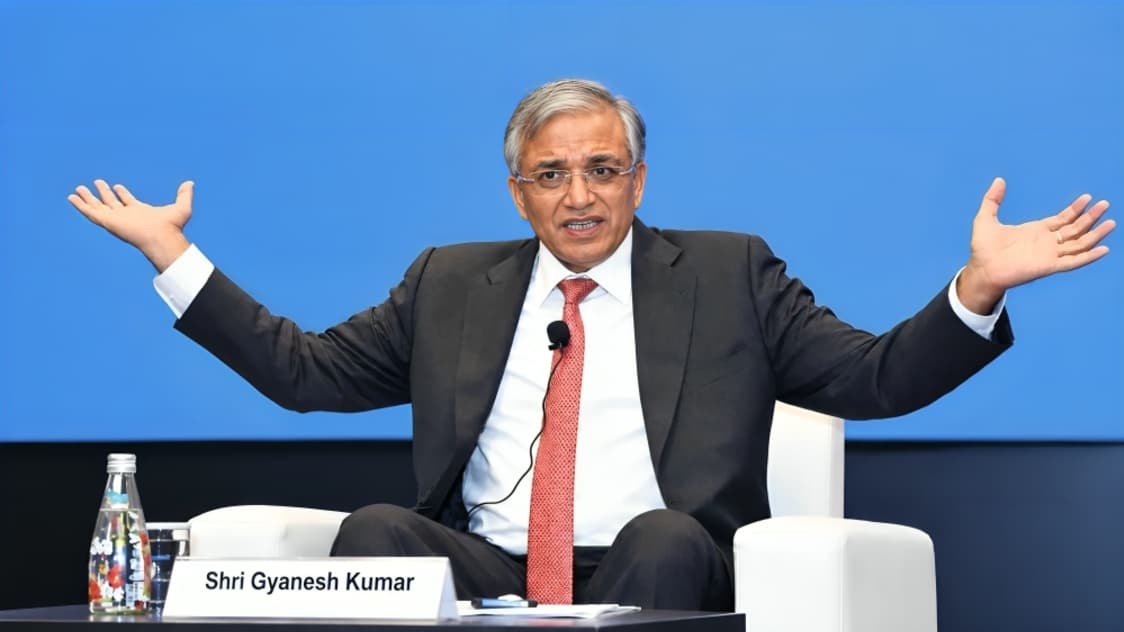
The development came on October 12, 2026, amid opposition demonstrations in New Delhi over allegations of electoral irregularities and demands for action against Chief Election Commissioner Gyanesh Kumar.
Why Rahul Gandhi and Mallikarjun Kharge sought a meeting
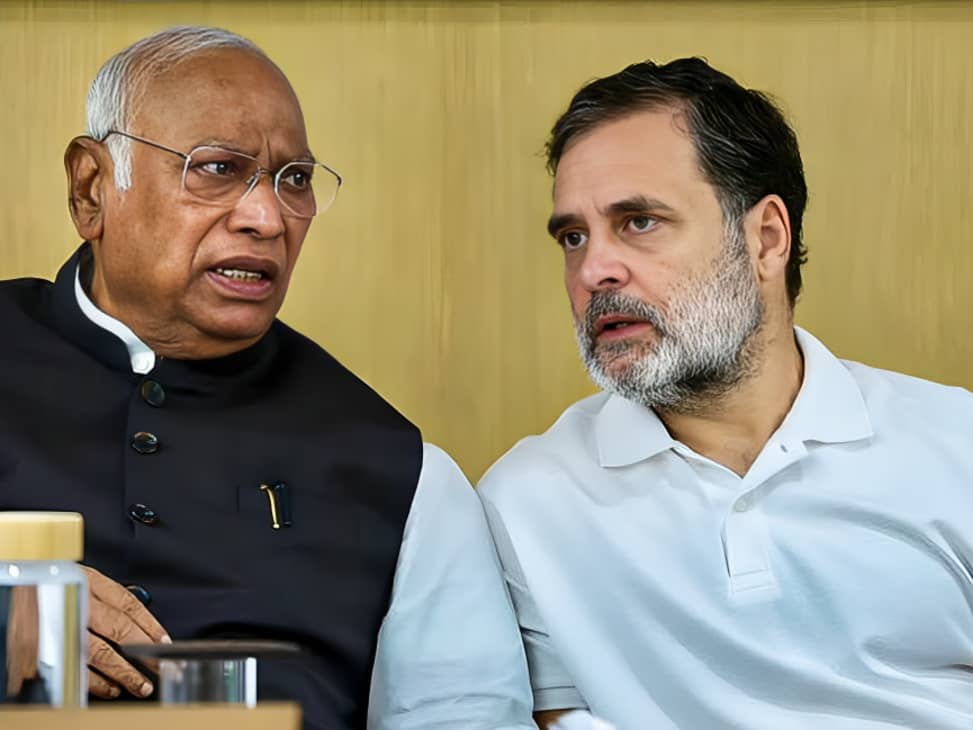
Rahul Gandhi, the Leader of the Opposition in the Lok Sabha, and Mallikarjun Kharge, the Leader of the Opposition in the Rajya Sabha and Congress president, had requested an appointment with the Chief Justice between 4 pm and 5 pm on October 12.
Their proposed memorandum covered several issues, including concerns about the Chief Election Commissioner and the Election Commission of India, the alleged arbitrary detention of students, the closure of metro stations and the cancellation of trains.
The request came amid opposition criticism of the Special Intensive Revision of electoral rolls. Opposition leaders have alleged that the process has led to irregularities and raised concerns about whether eligible voters could be wrongly excluded. They have also demanded Gyanesh Kumar’s resignation and called for changes to the electoral process.
These remain allegations raised by opposition parties. The Election Commission’s procedures and any claims of improper voter-list changes must be assessed using official records, evidence and any relevant judicial findings.
CJI cites separation of powers and judicial propriety
In his letter to the two leaders, dated October 11, Surya Kant said the matters listed in their request were already pending before the Supreme Court. He explained that holding a meeting to discuss pending cases would conflict with the constitutional principle of separation of powers and established standards of judicial ethics.
The separation of powers is a central feature of India’s constitutional framework. It helps maintain the distinction between the roles of the executive, legislature and judiciary. The Chief Justice’s response emphasised that issues requiring judicial consideration should be brought before the court through the appropriate legal procedure.
The letter also distinguished the Supreme Court’s administrative functions from its judicial responsibilities. The CJI said the court does not have administrative powers to resolve the issues identified in the memorandum. However, he stressed that the judiciary has a duty to examine matters affecting citizens’ fundamental rights when they are brought before it through lawful proceedings.
His response therefore did not prevent the opposition leaders from seeking judicial intervention. Instead, it directed them towards a formal legal process through which the court could examine their claims.
Supreme Court remains open to legal petitions
Surya Kant reiterated that citizens and elected representatives have the right to approach the Supreme Court for legal remedies. He said the court would consider grievances in accordance with the law and provide any relief that was legally justified.
The CJI also indicated that Gandhi and Kharge could file a petition either physically at the Supreme Court or through its electronic filing system. He referred to related matters scheduled for hearing on Tuesday, October 13, 2026, and said any petition submitted by the leaders would be considered at the earliest appropriate opportunity in accordance with the law.
This distinction is important. Declining a private or administrative meeting is not the same as rejecting a legal claim. A formal petition allows the court to consider the relevant facts, legal arguments and supporting documents through established judicial procedures.
The next step for the opposition leaders was therefore to decide whether to pursue their concerns through a formal petition and identify the specific relief they wanted the court to grant.
Opposition protest over electoral concerns
The meeting request formed part of a wider opposition campaign concerning electoral administration and the functioning of the Election Commission. Opposition leaders have questioned the Special Intensive Revision of voter lists and demanded greater transparency in the process.
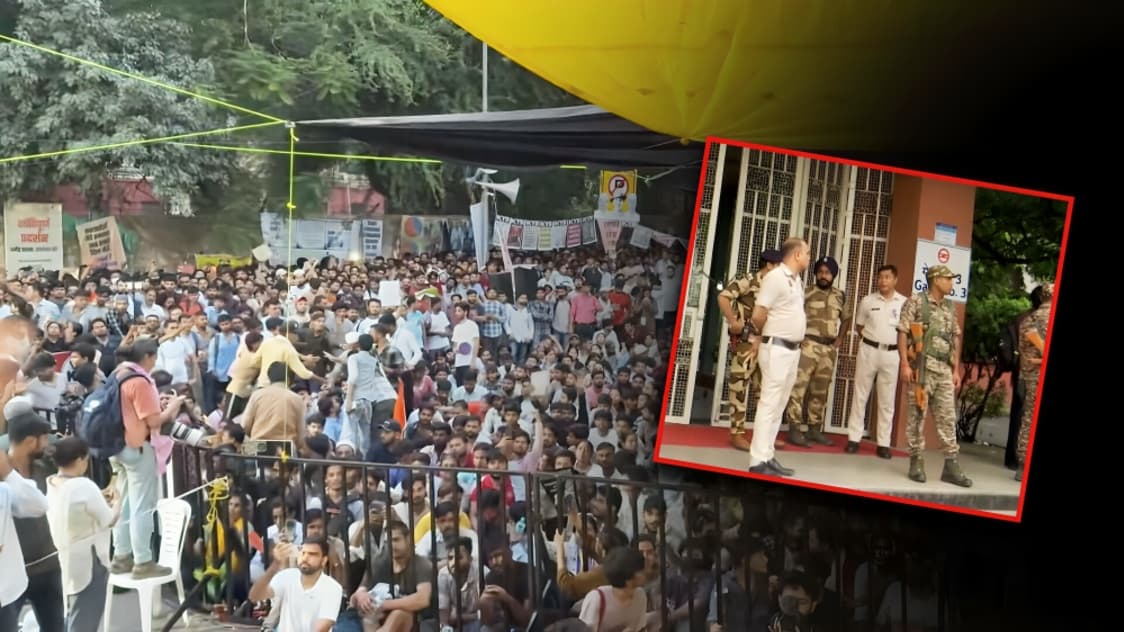
The INDIA opposition bloc had also planned a march towards the Supreme Court in Delhi to highlight its concerns. The demonstration was linked to demands for action against the Chief Election Commissioner and calls for electoral reforms.
The protest took place amid heightened security in central Delhi. Police deployed personnel and introduced restrictions around key locations, while some public transport services faced temporary changes. Opposition leaders and activists criticised the measures, arguing that peaceful demonstrations and public access should be protected.
Authorities are responsible for maintaining public order, but restrictions on gatherings and movement must operate within the applicable legal framework. Any allegations concerning unlawful detentions or unjustified restrictions require assessment based on the relevant evidence and official records.
Political reactions to the decision
The CJI’s decision prompted political discussion about the appropriate way for elected representatives to raise concerns involving constitutional institutions. Opposition leaders wanted to present their concerns directly, while the Chief Justice maintained that matters already before the court should be handled through judicial proceedings.
The dispute also highlighted the distinction between political accountability and judicial decision-making. Political parties can raise concerns about electoral processes and demand changes, but the court must assess legal questions independently and according to the evidence and law.
Any allegations of electoral misconduct remain claims unless established through an appropriate legal or official process. Similarly, the refusal to hold a meeting should not be interpreted as a ruling on the merits of the opposition’s concerns.
What happens next?
The immediate question is whether Rahul Gandhi and Mallikarjun Kharge will file a petition addressing the issues outlined in their memorandum. Such a filing would allow the Supreme Court to determine which questions fall within its jurisdiction and whether any legal relief is warranted.
The CJI’s response made clear that the leaders could pursue their concerns through the judicial process despite the declined appointment. Related matters were scheduled for consideration by the court on October 13, according to the letter.
The episode has brought renewed attention to the relationship between political protest, electoral transparency and judicial independence. It also illustrates why constitutional concerns must be addressed through appropriate legal procedures rather than informal discussions about cases already pending before the court.
Further developments will depend on any petition filed, the court’s directions and verified information from the parties involved. Until the allegations are examined through the appropriate process, claims of electoral irregularities should continue to be reported as allegations rather than established findings.