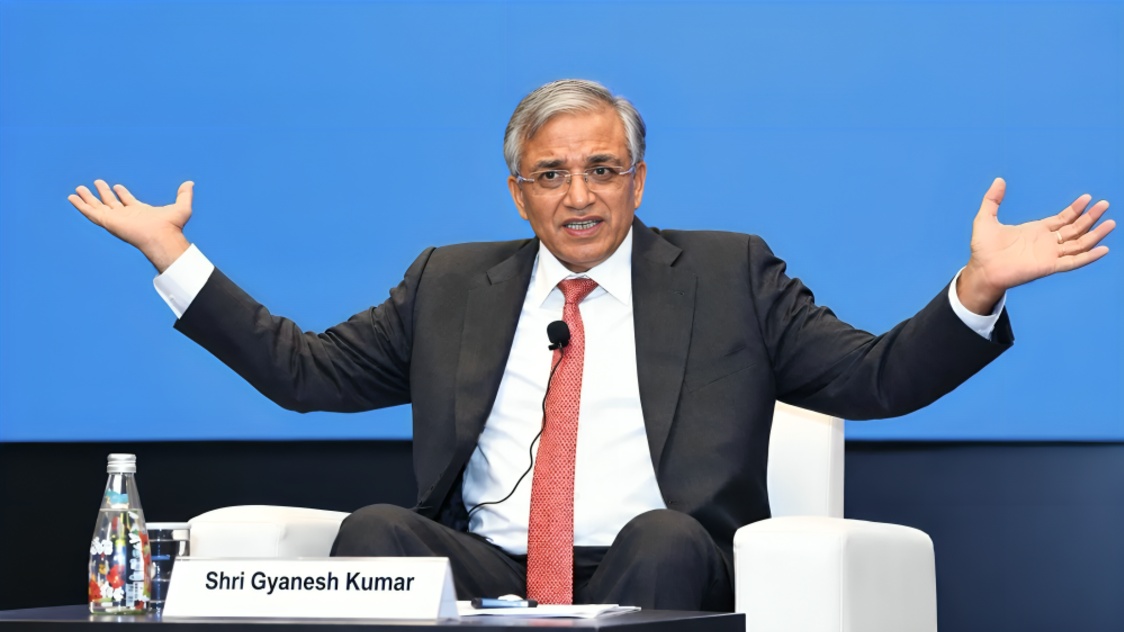
Keralam Assembly to Consider Resolution Seeking Removal of CEC Gyanesh Kumar
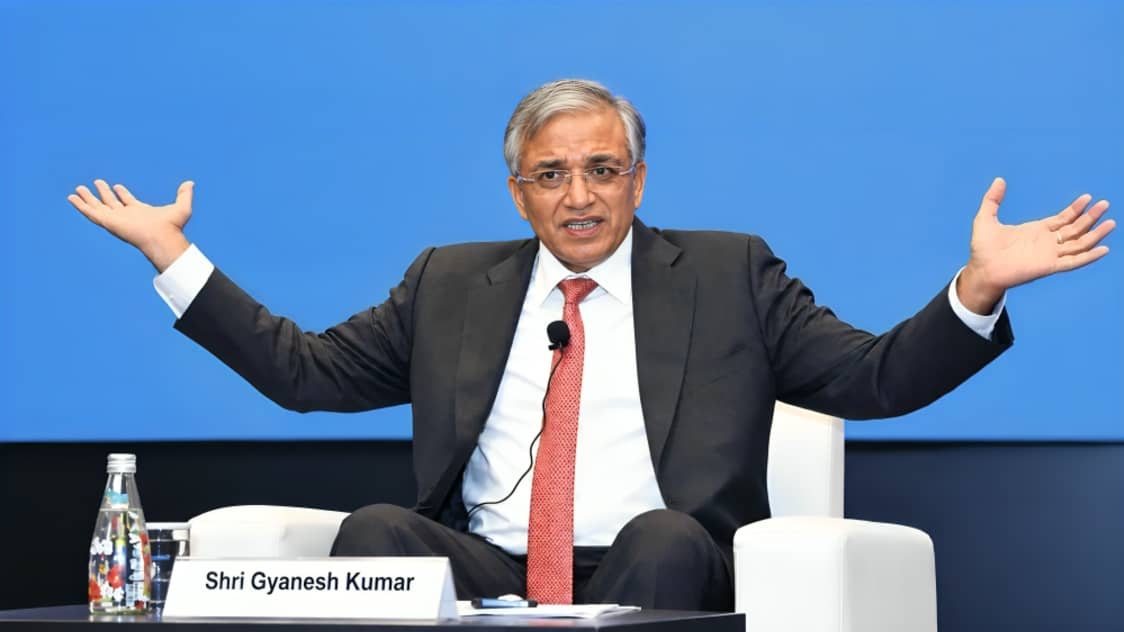
The Keralam Legislative Assembly is scheduled to consider a resolution urging the Union government to initiate steps to remove Chief Election Commissioner Gyanesh Kumar, bringing concerns about electoral transparency and voting rights into focus. Chief Minister V. D. Satheesan is expected to move the resolution when the Assembly session begins on October 12, 2026.
According to reports, the proposed resolution raises questions about the functioning and impartiality of the Election Commission of India (ECI). It also seeks corrective measures for eligible voters whose names were allegedly excluded from electoral rolls during the Special Intensive Revision (SIR) process. The opposition Left Democratic Front (LDF) has announced its support for the proposal.
Demand for Restoration of Voting Rights
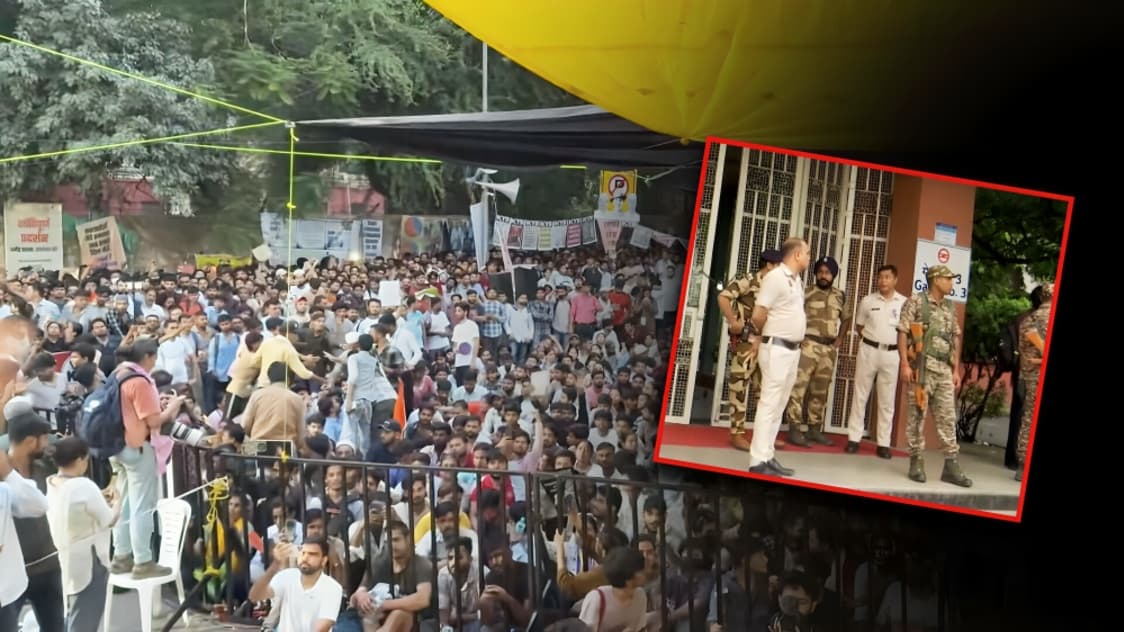
One of the key demands in the proposed resolution is the restoration of voting rights for eligible citizens whose names may have been wrongly removed from electoral rolls. The issue has become a major point of political debate, with opposition parties expressing concern that errors or irregularities in the revision process could prevent eligible citizens from exercising their democratic rights.
The resolution reportedly highlights concerns about the possible exclusion of minority communities, migrant workers, young people and other marginalised groups. It calls for the identification and correction of errors in the electoral rolls so that eligible voters are not denied their right to participate in elections.
However, allegations concerning wrongful deletions must be assessed through the relevant electoral records and official review procedures. The proposed resolution reflects the concerns raised by political representatives and should not, by itself, be treated as an independent finding that all the alleged irregularities occurred.
Concerns Over the Special Intensive Revision Process
The Special Intensive Revision is a process used to review and update electoral rolls. Electoral roll revisions are intended to improve the accuracy of voter lists, including by verifying eligible electors and correcting outdated or incorrect entries.
The process has nevertheless generated political debate, with critics questioning whether sufficient safeguards, notice and opportunities for correction are available to citizens whose names are removed or flagged. The proposed Keralam Assembly resolution seeks attention to these concerns and calls for measures to correct alleged irregularities.
Opposition parties have argued that any revision of electoral rolls must protect the voting rights of eligible citizens and ensure that decisions are transparent and open to scrutiny. The issue has also become part of wider political discussions about the independence of election authorities and public confidence in the electoral process.
The Election Commission's procedures and the evidence concerning individual voter deletions remain important to determining whether specific complaints are justified. Citizens whose names are missing from electoral rolls generally need to follow the applicable official process to verify their status and seek correction where eligible.
Support from the Opposition Left Democratic Front
The opposition Left Democratic Front has indicated that it will support the resolution. The ruling United Democratic Front and the LDF together have a substantial majority in the 140-member Assembly, making passage of the proposal likely, according to media reports.
The expected support gives the resolution political significance beyond the ruling coalition. It signals that concerns over electoral roll revisions and the Election Commission's functioning have become an issue on which the state's principal political fronts are prepared to take a common position.
The resolution is expected to call on the Union government to take action concerning the Chief Election Commissioner and to address alleged problems in the electoral roll revision process. Reports also indicate that the proposal seeks a reconsideration of the process for selecting the Chief Election Commissioner and other Election Commissioners, including the composition of the selection committee.
The resolution is a legislative expression of the Assembly's position. Its passage would not, on its own, remove the Chief Election Commissioner from office. Any removal would have to follow the applicable constitutional and legal procedures.
Implications for Electoral Accountability
The proposed resolution places renewed attention on the relationship between electoral administration, citizens' voting rights and public trust in democratic institutions. Electoral rolls are fundamental to elections because eligible citizens must be correctly registered to exercise their voting rights.
Any credible complaint about wrongful exclusion requires clear procedures for verification, correction and appeal. At the same time, allegations against an election authority should be assessed carefully, with a distinction maintained between political criticism, documented errors and findings established through official processes.
The debate in the Keralam Assembly may add to the national discussion over how electoral roll revisions should be conducted and how complaints from voters should be addressed. It could also prompt further political exchanges between state and national leaders over the responsibilities of the Election Commission and the Union government.
As of October 12, 2026, the resolution is scheduled for consideration by the Assembly. Its final wording, the outcome of the proceedings and any subsequent response from the Union government or the Election Commission should be confirmed through official announcements and reliable updates.
The central issues are the proposed action concerning Chief Election Commissioner Gyanesh Kumar, the demand to restore the voting rights of eligible citizens allegedly removed from electoral rolls, and calls for greater transparency in electoral administration. The Assembly's proceedings will determine the formal position adopted by the House.