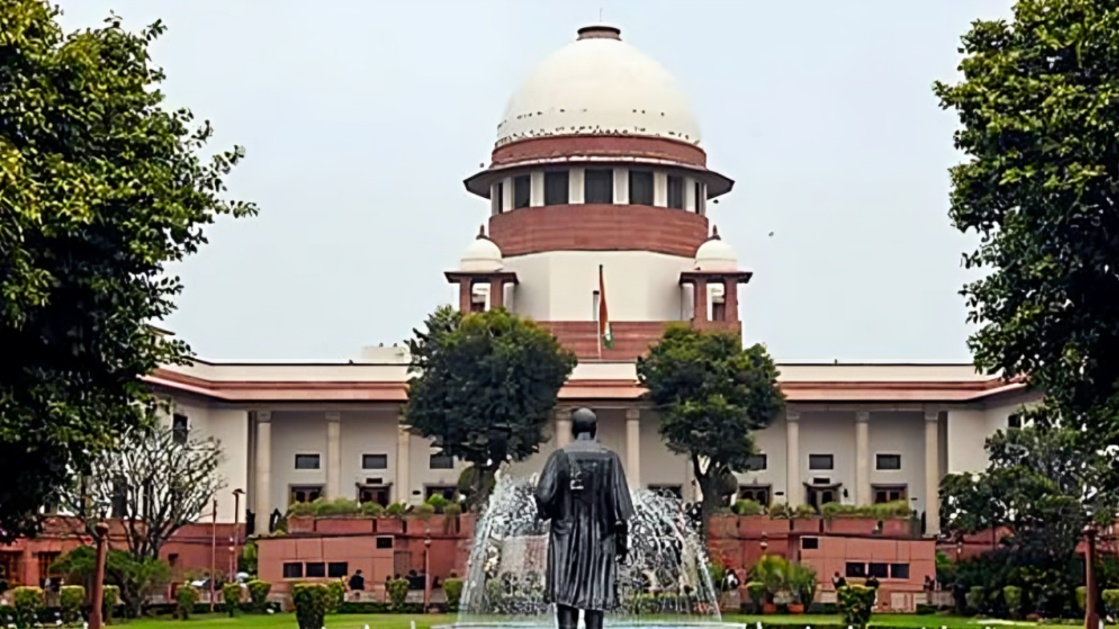
CJI Surya Kant Says Supreme Court Doors Are Open to All, Asks INDIA Bloc to File Petition
New Delhi, October 12, 2026
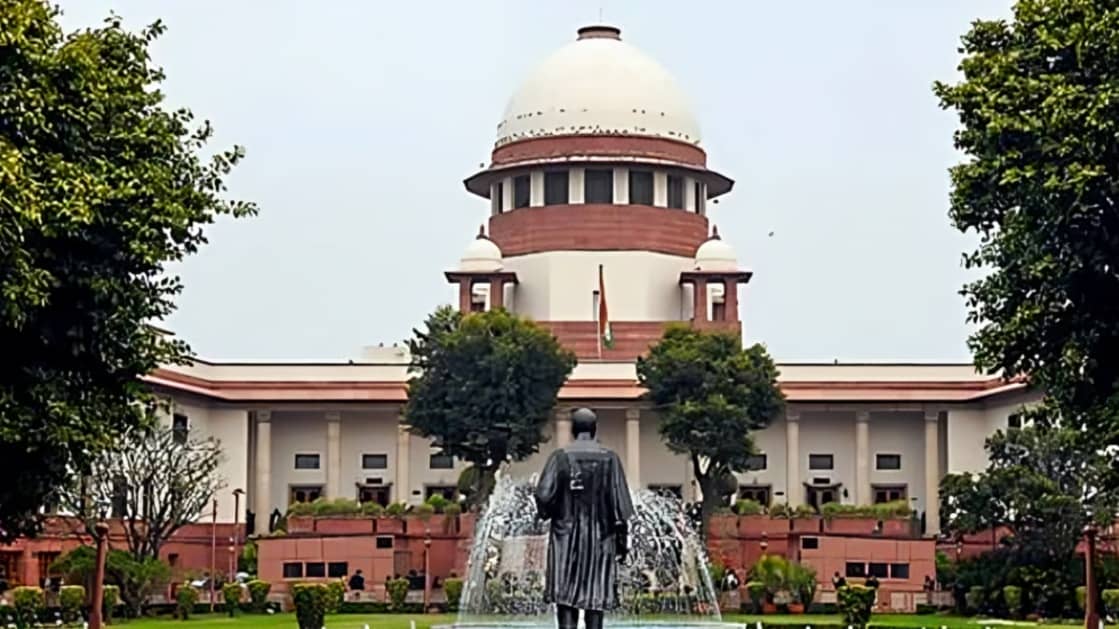
Chief Justice of India Surya Kant has reiterated that the Supreme Court is accessible to every Indian citizen after declining a request from leaders of the Congress-led INDIA bloc for a meeting concerning alleged electoral irregularities. He said citizens and elected representatives could approach the court through established legal procedures and seek relief in accordance with the law.
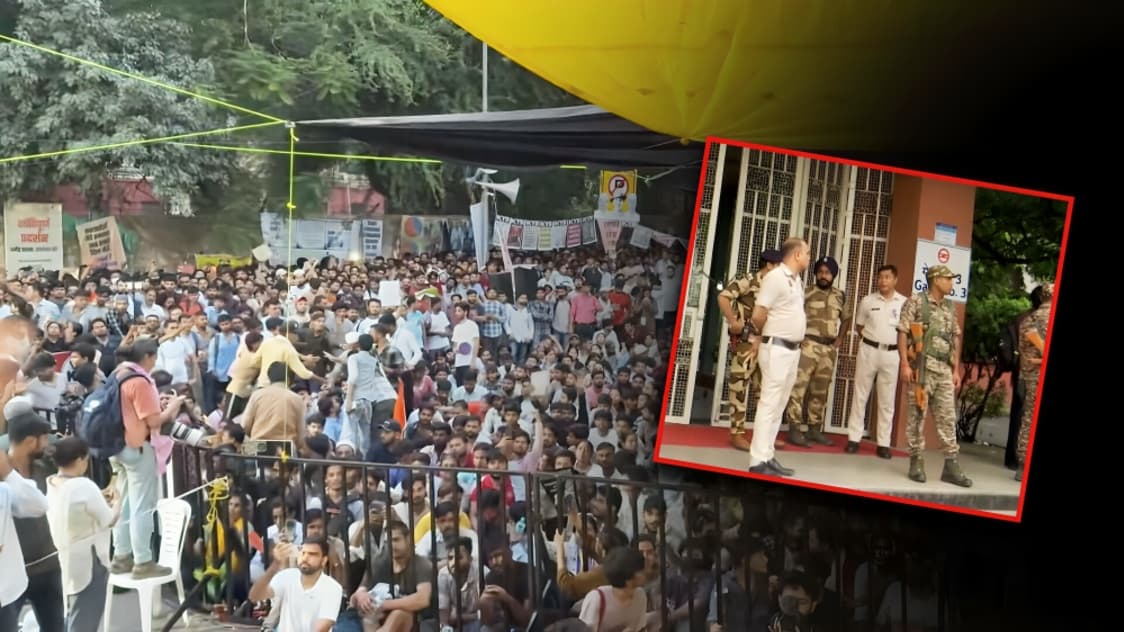
The response came as Opposition parties prepared to march towards the Supreme Court to raise concerns about voter list revisions and alleged irregularities in the electoral process. The political dispute has also prompted heightened security arrangements in parts of central Delhi.
Chief Justice explains why he declined the meeting
According to media reports, Opposition leaders had requested an appointment with the Chief Justice to submit a memorandum concerning their allegations. The request was declined, with the Chief Justice indicating that the issues should be raised through appropriate judicial proceedings rather than through a private meeting with political representatives.
The Chief Justice emphasized that the Supreme Court's doors remain open to all citizens, irrespective of their political affiliations or positions. He said that any ordinary citizen or elected representative could file a petition and seek consideration of their concerns under the law.
The position highlights the distinction between a formal judicial process and an administrative meeting with political leaders. A petition allows the court to examine the issues through the prescribed legal framework, including the applicable procedures and submissions from the parties concerned.
The Chief Justice's response does not, by itself, determine the merits of the allegations raised by the Opposition. Any legal challenge would need to be considered through the appropriate court process.
INDIA bloc raises concerns over electoral processes
The Congress-led INDIA bloc has been campaigning against what it describes as electoral irregularities, particularly those connected with revisions to electoral rolls. Opposition leaders have raised concerns about the deletion of names from voter lists and have called for action over what they allege to be shortcomings in the electoral process.
Congress leaders Rahul Gandhi and Mallikarjun Kharge were among those associated with the request for a meeting. Reports said the Opposition intended to submit a memorandum seeking attention to its concerns and demanding accountability from the Election Commission.
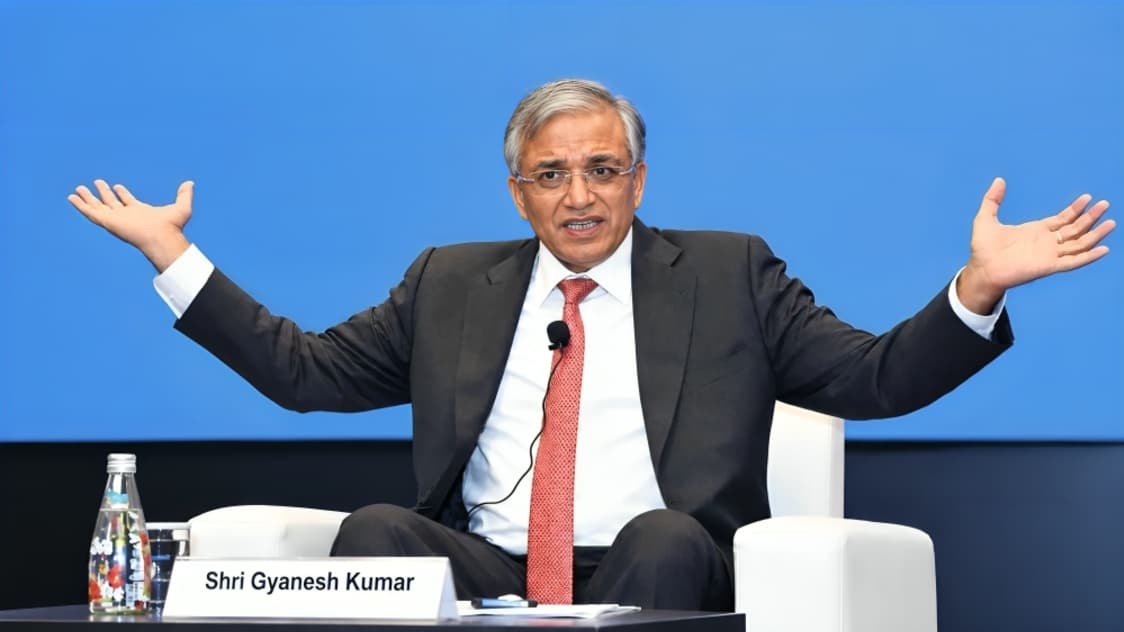
The allegations have become a point of political disagreement between Opposition parties and the ruling Bharatiya Janata Party. The Opposition has questioned the impact of voter list revisions, while the Election Commission has maintained that the verification exercise is intended to improve the accuracy of electoral rolls. The BJP has rejected accusations that the electoral process is being manipulated for political advantage.
These claims remain contested. Allegations of electoral wrongdoing should not be treated as established facts unless they are supported by findings from the relevant authorities or a court.
Voter list revision remains at the centre of the dispute
The controversy centres on the revision and verification of electoral rolls, a process intended to ensure that voter lists accurately reflect eligible electors. Such exercises can involve identifying deceased voters, people who have moved from their registered addresses, duplicate entries and individuals whose details cannot be verified.
Opposition parties have questioned whether the process has been conducted fairly and whether eligible voters risk being excluded. The Election Commission has maintained that electoral roll verification is part of its responsibility and that eligible individuals can use the prescribed procedures to address errors or omissions.
The dispute has increased political pressure around election administration and the safeguards available to voters. The legal questions raised by the parties may require examination through the relevant judicial procedures.
The Supreme Court's role in such matters is to consider petitions placed before it in accordance with the law. The outcome of any proceedings would depend on the arguments, evidence and applicable legal provisions.
Security tightened ahead of the planned march
Security arrangements were strengthened in central Delhi ahead of the Opposition's planned march to the Supreme Court. Police measures included restrictions and traffic arrangements in parts of the capital, while reports also indicated that some metro stations were temporarily closed for security reasons.
The planned march was intended to draw attention to the Opposition's concerns over electoral processes and to seek action on the issues raised in its memorandum. The developments added to political tensions surrounding the voter list revision controversy.
Authorities generally introduce security and traffic measures around major demonstrations to manage crowds, maintain public order and minimise disruption. The precise restrictions can vary according to the location and the assessment of local security agencies.
Legal procedures remain the route for seeking relief
The Chief Justice's remarks underline the importance of approaching the judiciary through formal legal channels. Citizens who believe their rights have been affected can seek legal remedies by following the procedures applicable to their cases. Elected representatives can also use the legal process when raising issues that fall within the court's jurisdiction.
The Supreme Court's accessibility does not mean that every allegation will automatically result in relief. Petitions are considered according to the law, the court's jurisdiction and the facts presented.
The episode brings together three significant issues: concerns about electoral roll revisions, the Opposition's demand for accountability, and the role of judicial procedures in resolving disputes. The political allegations and the legal questions surrounding them will need to be assessed separately.
For now, the Chief Justice has made clear that the INDIA bloc should pursue its concerns through the appropriate legal route rather than seek a private meeting. Any further action will depend on whether petitions are filed and how the relevant issues are considered by the court.