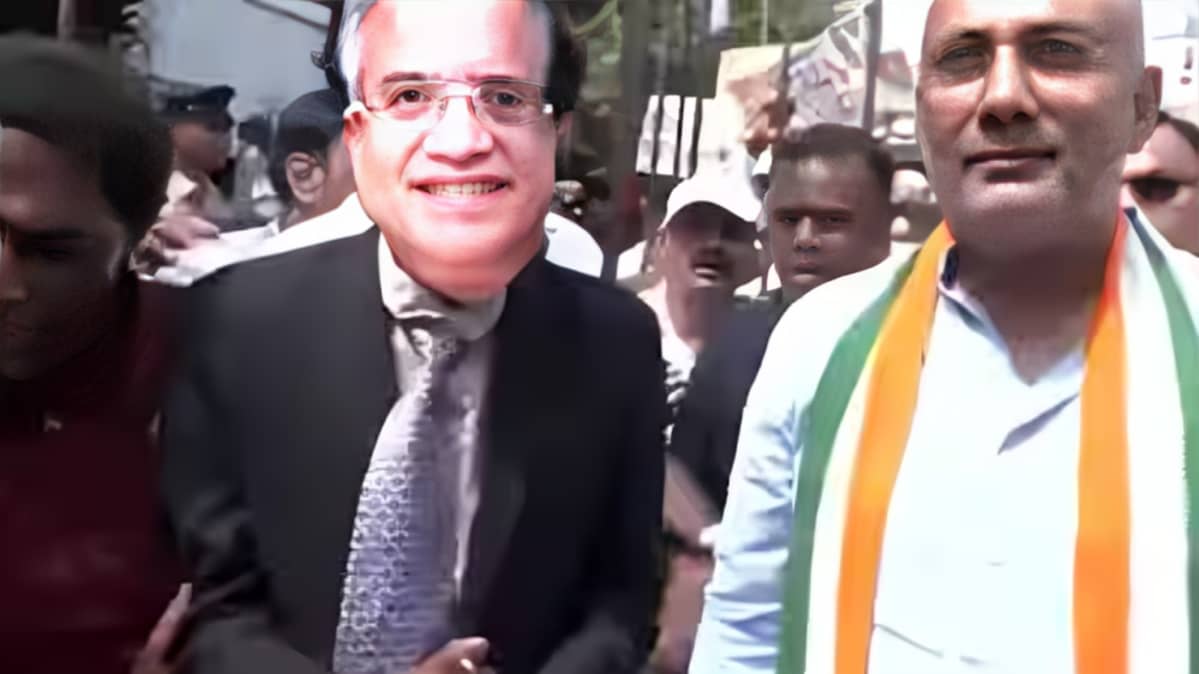
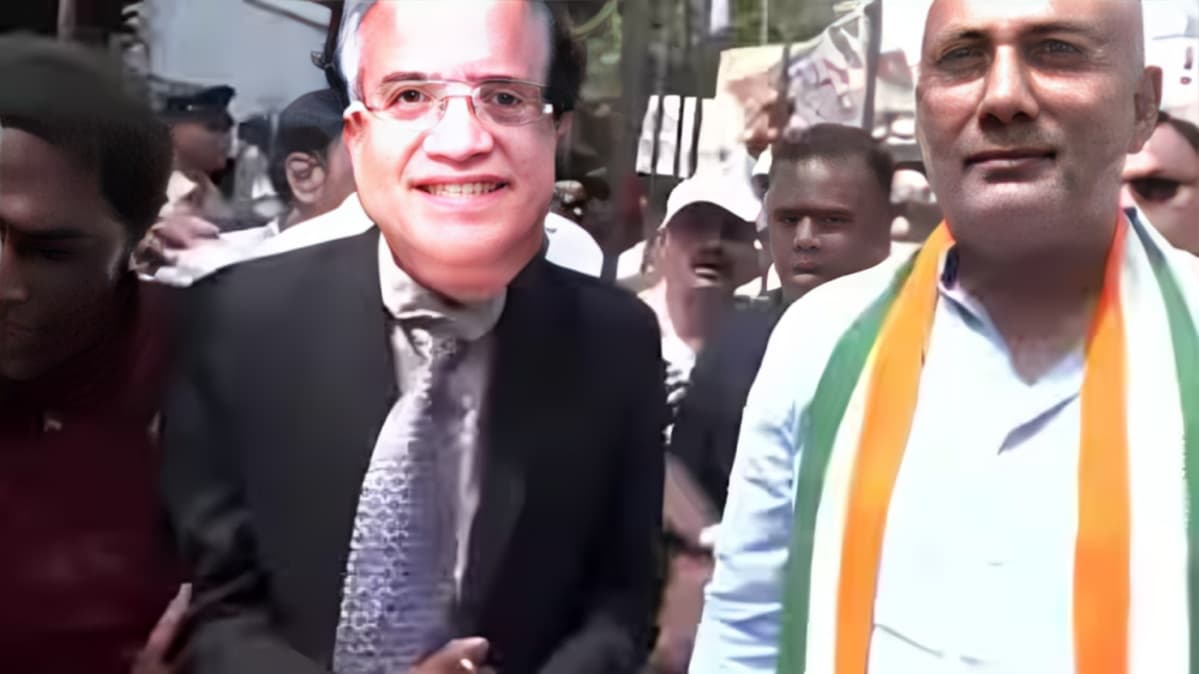
The INDIA Bloc has staged a dramatic protest against the Election Commission in Bengaluru, drawing attention through a mock arrest of Chief Election Commissioner Gyanesh Kumar. During the demonstration, party workers enacted a scene in which Kumar was symbolically arrested as part of their protest against the poll body.
Visuals of the demonstration have reportedly gone viral on social media, bringing wider attention to the political protest. The staged arrest was a symbolic form of demonstration and not an actual arrest of the Chief Election Commissioner. The protest reflects the opposition alliance's continuing criticism of the Election Commission and its handling of election-related matters.
Protest Targets the Election Commission
The demonstration in Bengaluru was organised by members of the INDIA Bloc as part of their opposition to the Election Commission. By staging a mock arrest of Gyanesh Kumar, party workers used a dramatic protest method to communicate their criticism of the institution.
The Election Commission plays an important role in India's democratic system. It is responsible for conducting elections and overseeing the electoral process. Its decisions and administrative actions often become subjects of political debate, particularly when opposition parties raise questions about election procedures.
The latest demonstration shows how political groups are using public protests to express disagreement with the poll body's functioning. The mock arrest was intended as a symbolic political statement rather than a formal legal action against the Chief Election Commissioner.
Mock Arrest Becomes the Centre of Attention
One of the most notable aspects of the Bengaluru demonstration was the enactment of Gyanesh Kumar's arrest by party workers. The protest visuals showed participants acting out the scene as part of the wider demonstration.
The unusual format helped the protest attract attention beyond the location where it took place. Videos of the demonstration have reportedly circulated widely on social media, with users sharing and discussing the scenes.
Political demonstrations often use symbolic actions, slogans, banners and performances to communicate messages. Such methods can make a protest more visible and help organisers draw public attention to the issues they want to highlight.
In this case, the mock arrest became the central visual element of the INDIA Bloc's protest. It conveyed the opposition parties' dissatisfaction with the Election Commission through a theatrical demonstration.
INDIA Bloc's Criticism of the Poll Body
The protest reflects the INDIA Bloc's criticism of the Election Commission. Opposition parties have used political platforms and public demonstrations to raise concerns about election-related issues and the functioning of institutions responsible for overseeing the electoral process.
The latest demonstration in Bengaluru adds another episode to the political disagreement between opposition parties and the poll body. By targeting the Chief Election Commissioner through a symbolic protest, the participants sought to bring their concerns into public discussion.
However, the supplied report does not provide the specific allegations made by the INDIA Bloc during the demonstration. It also does not include a detailed statement explaining the reasons behind the protest or the Election Commission's response.
Without those details, the demonstration can be described as an expression of political criticism, but individual allegations should not be presented as established facts.
Importance of the Election Commission
The Election Commission of India is a constitutional body responsible for supervising and conducting elections in the country. Its work includes overseeing electoral arrangements and ensuring that elections are conducted according to applicable rules.
Because elections determine political representation and the formation of governments, the functioning of the Election Commission is an important subject of public interest. Political parties, candidates and voters all have a stake in the fairness and transparency of the electoral process.
Disagreements over election procedures and administrative decisions can lead to criticism from political parties. Protests are one way in which parties communicate their objections, although the claims made during such demonstrations need to be assessed separately from verified facts.
The Bengaluru protest has brought this institutional debate into focus through its unusual mock arrest demonstration. It has also drawn attention to the relationship between opposition parties and the constitutional body responsible for conducting elections.
Social Media Amplifies the Protest
The visuals of the demonstration have reportedly gained attention on social media. Videos showing party workers enacting the mock arrest of Gyanesh Kumar have been shared online, allowing people beyond Bengaluru to see the protest.
Social media platforms have become an important space for political communication. Videos and photographs from demonstrations can spread quickly and bring attention to events that might otherwise receive limited coverage.
At the same time, short clips may not provide the complete background of a protest. The reasons behind a demonstration, the full statements made by participants and the response from the authorities are important for understanding the event accurately.
In this case, the viral visuals highlight the dramatic nature of the protest, but the supplied report does not include the complete speeches or detailed demands made by the participating parties.
Political Significance of the Bengaluru Demonstration
The INDIA Bloc's demonstration shows how opposition parties are using public protests to express their concerns about the Election Commission. The symbolic arrest of the Chief Election Commissioner was a prominent feature of the event and helped attract attention to the alliance's criticism.
The protest also illustrates the role of public demonstrations in political debate. Parties use rallies, statements and symbolic actions to communicate their positions and bring institutional issues before the public.
The incident is likely to remain part of the wider discussion surrounding the relationship between political parties and the Election Commission. However, the exact demands of the protesters and the response from the poll body would be necessary to provide a fuller account of the disagreement.
For now, the main development is the mock arrest staged by INDIA Bloc workers in Bengaluru and the circulation of the protest visuals on social media. The demonstration was symbolic, and there is no indication in the supplied report that Gyanesh Kumar was actually arrested.