RSS Defends SIR, Says Accurate Voter Lists Are Essential for Democracy
Rashtriya Swayamsevak Sangh General Secretary Dattatreya Hosabale has defended the ongoing Special Intensive Revision of electoral rolls, stating that the exercise is necessary to maintain accurate voter lists. His remarks come at a time when opposition parties and youth groups are raising objections and organising protests against the revision process.
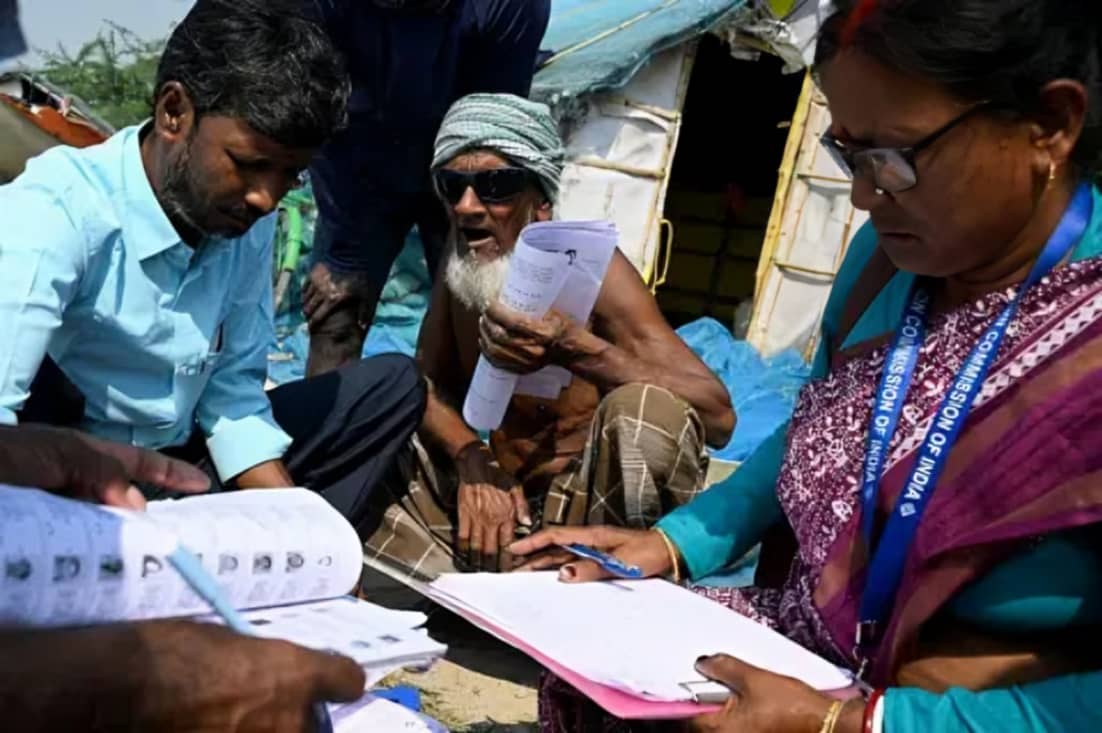
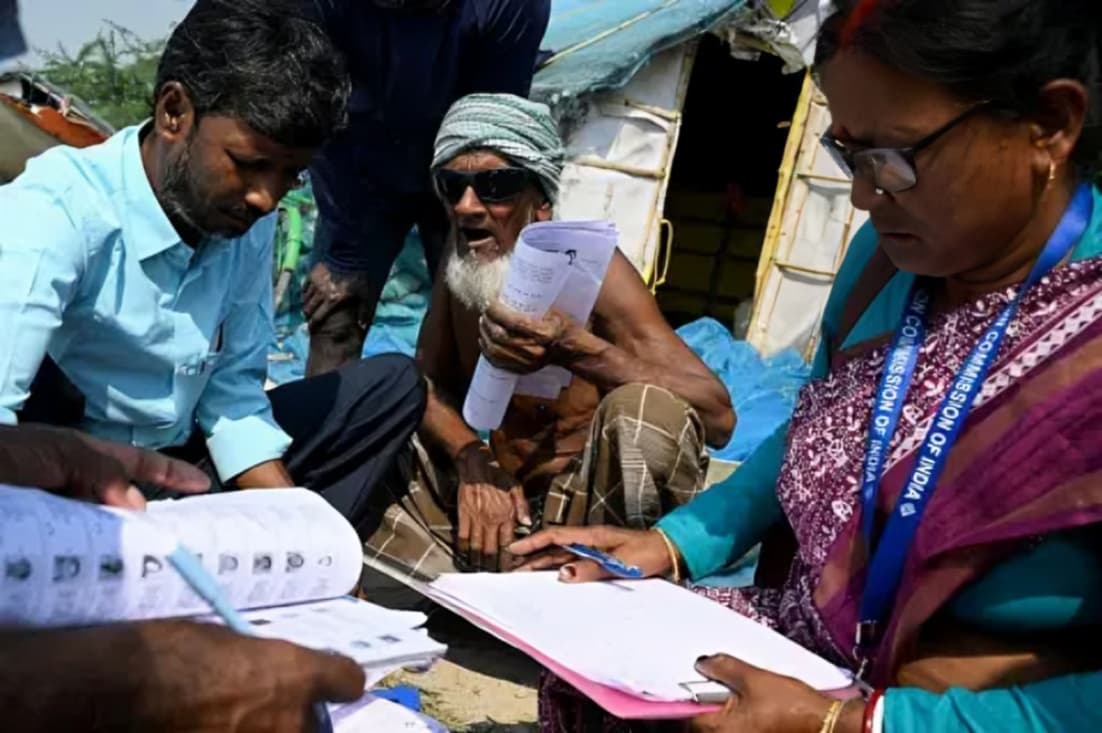
The Special Intensive Revision, commonly known as SIR, is an exercise aimed at reviewing and updating electoral rolls. The process is intended to ensure that voter lists contain accurate information and reflect eligible voters. The exercise has become a subject of political debate, with different groups expressing their views on its implementation and possible impact.
Hosabale has supported the need for the revision, arguing that accurate electoral rolls are important for the proper functioning of a democratic system. His comments have added to the ongoing discussion surrounding the exercise and the protests against it.
Hosabale Supports Accurate Electoral Rolls
According to Hosabale, the SIR process is essential for maintaining reliable voter lists. Electoral rolls are a fundamental part of the election process because they help establish who is eligible to participate in voting.
Accurate voter records are important for ensuring that eligible citizens can exercise their democratic rights. Regular reviews and corrections can also help address errors and outdated information in electoral databases.
However, the implementation of an electoral roll revision exercise can raise questions among political parties, voters and civil society groups. Concerns may relate to the verification process, documentation requirements and the possibility of eligible voters being left out of the final lists.
The debate over SIR therefore involves both the objective of maintaining accurate records and the need to ensure that the process is transparent, accessible and fair to all eligible voters.
Opposition Parties and Youth Groups Protest Against SIR
The ongoing revision exercise has faced opposition from political parties and youth groups. These groups have raised concerns about the process and its possible implications.
Political disagreements over electoral procedures are not unusual in a democratic system. Opposition parties often seek clarification from authorities and question policies that they believe may affect voters or the fairness of elections.
Youth groups have also joined the protests, bringing attention to concerns among younger sections of society. Their participation has added another dimension to the debate surrounding the revision process.
Hosabale's remarks come against this background of protests and political disagreement. While defending the exercise, he also commented on the nature of the demonstrations and the possibility of unrest.
Hosabale Raises Concerns About Unrest
Hosabale alleged that certain forces were attempting to provoke unrest and violence in connection with the protests. These comments reflect his concerns about disruptions during a period of political disagreement.
He stressed that political change should take place through elections rather than through protests that lead to disruption or violence. His position emphasises the importance of democratic institutions and electoral participation as the means of bringing about political change.
At the same time, peaceful protest and public discussion are recognised ways for citizens to express their concerns in a democracy. Differences over government policies and administrative exercises can be addressed through dialogue, public debate and established democratic processes.
The allegations made by Hosabale represent his assessment of the situation. They should not be treated as independently established evidence of attempts to incite violence.
Call for Dialogue with Young People
Along with defending SIR, Hosabale emphasised the need for the government to engage with young people. He called for dialogue to understand their aspirations, concerns and expectations.
Young people play an important role in India's social, economic and political development. Their concerns may include education, employment, opportunities, governance and participation in public affairs.
Constructive discussions between government representatives and youth groups can help identify the reasons behind dissatisfaction and provide opportunities to address them. Open communication may also help reduce misunderstandings and build confidence in public institutions.
The call for dialogue highlights the importance of listening to different sections of society, particularly when public policies become subjects of widespread debate.
Importance of Democratic Processes
The debate over SIR has brought attention to the relationship between electoral administration, political participation and public confidence. Electoral rolls form the basis of the voting process, making accuracy and transparency important considerations.
At the same time, authorities must ensure that eligible voters are not unfairly excluded during the revision process. Clear communication, accessible verification procedures and timely grievance redressal can help address concerns raised by citizens and political groups.
Hosabale's statements underline his support for electoral roll revision and his view that political change should be achieved through elections. His appeal for dialogue with young people also points to the need for constructive engagement when disagreements arise.
The discussion over SIR is likely to continue as political parties, youth groups and other stakeholders express their views on the exercise. Ensuring accurate voter lists while protecting the rights of eligible voters will remain central to the debate.