National Conference Criticises Aga Ruhullah Mehdi Over Resignation
The National Conference has criticised Aga Ruhullah Mehdi following his reported resignation from the party and the Lok Sabha, describing the development as a success for the Bharatiya Janata Party's alleged Operation Lotus in Kashmir. The party's remarks have added a new dimension to the political discussion surrounding Mehdi's decision and its possible implications for Jammu and Kashmir politics.
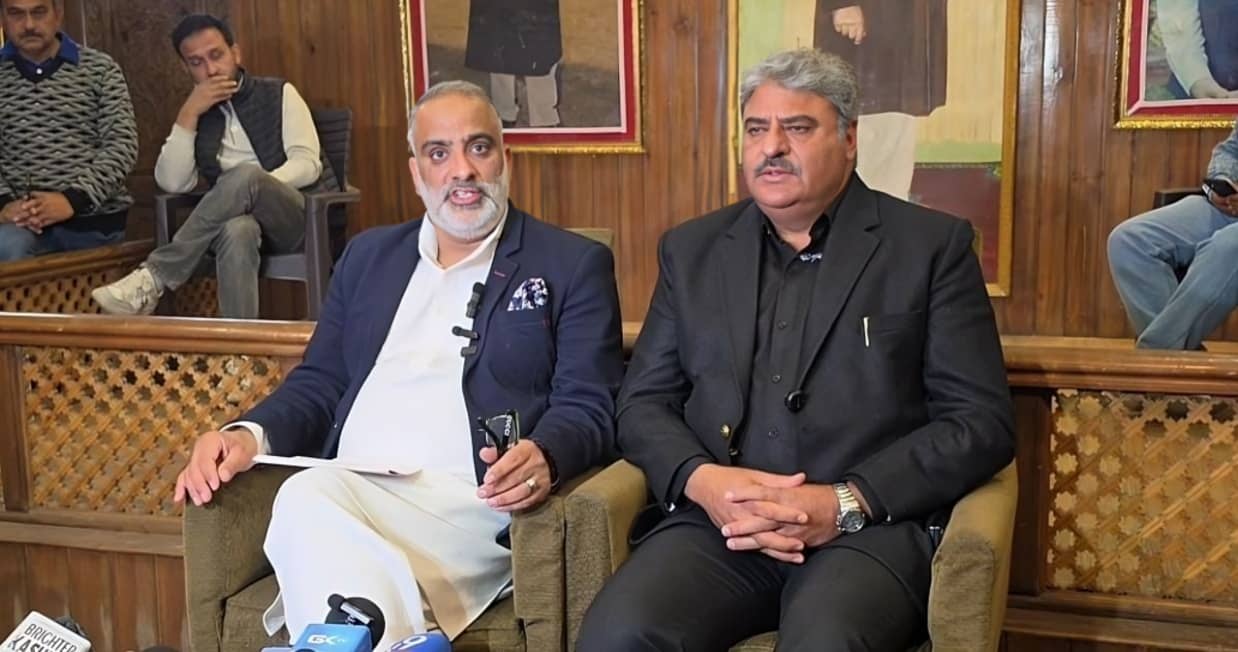
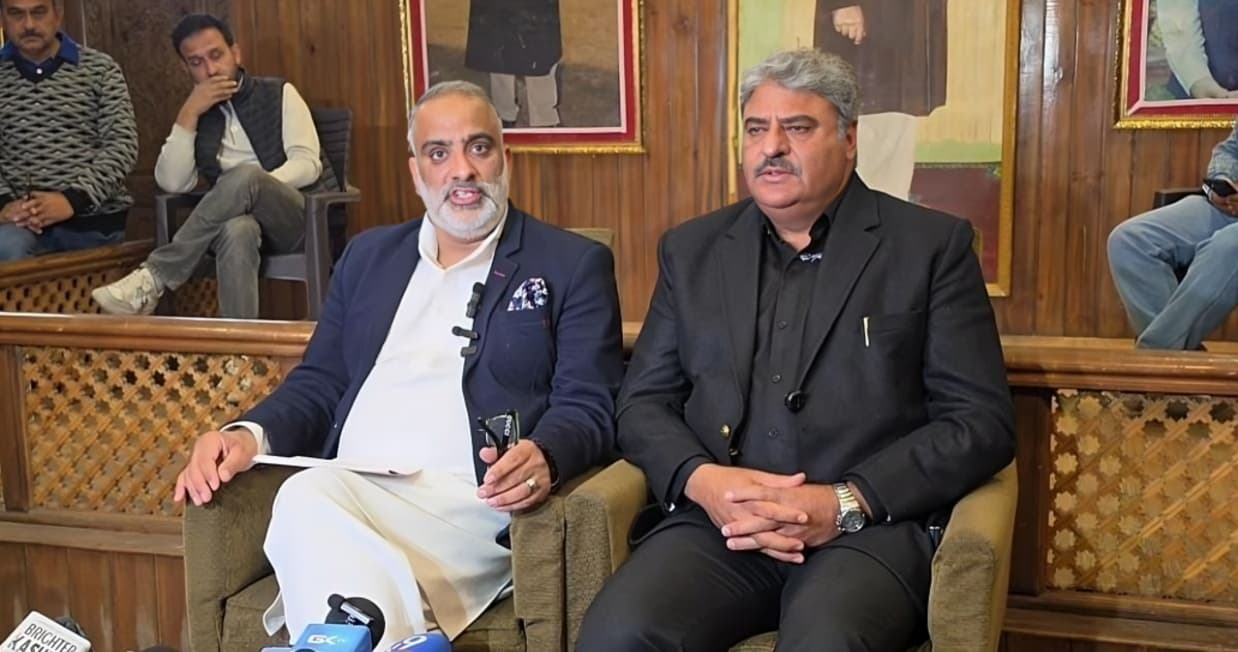
National Conference MLAs Salman Sagar and Sajjad Shaheen accused Mehdi of betraying the party and the electorate that had supported him. They also alleged that his actions had helped the BJP create divisions among people in the Kashmir Valley.
The remarks reflect the growing political disagreement between the National Conference leadership and Mehdi. The party has questioned his decision and portrayed it as a development that could benefit its political opponents in the region.
National Conference's Allegations Against the BJP
The National Conference has linked Mehdi's reported resignation to what it described as the BJP's Operation Lotus in Kashmir. The term Operation Lotus is commonly used in Indian political discourse by opposition parties to describe alleged attempts to weaken rival political parties by encouraging defections or political realignments.
By describing the development as a success for the BJP, the National Conference has suggested that Mehdi's departure could serve the interests of its political opponents. However, this is the party's political allegation and should not be treated as independently established evidence of a BJP operation.
The allegations have brought attention to the continuing political competition in Jammu and Kashmir. Political parties in the region have different positions on governance, representation and the future direction of the Union Territory. Disagreements among political leaders can therefore have wider implications for party organisation and public debate.
Salman Sagar and Sajjad Shaheen Criticise Mehdi
National Conference MLAs Salman Sagar and Sajjad Shaheen strongly criticised Mehdi over his reported decision. They accused him of betraying the party and the voters who had supported him.
Their criticism also focused on the possible impact of his actions on political unity in the Kashmir Valley. They alleged that Mehdi had helped the BJP divide people in the region. These comments underline the seriousness of the disagreement between the party representatives and the former party leader.
The accusations are part of the National Conference's response to the political development. Mehdi's position and any response from him would be important to understanding the reasons behind his reported decision. The available information, however, does not provide his detailed response to the allegations made by the NC leaders.
Political Significance in Kashmir
The development is significant because the National Conference is one of the major political parties in Jammu and Kashmir. Its relationship with elected representatives and senior political figures plays an important role in the region's political landscape.
A dispute involving a prominent political figure can influence party unity, public opinion and the strategies of rival political groups. It may also lead to further discussions about political representation and the responsibilities of elected leaders towards their parties and voters.
The National Conference's criticism suggests that the party views Mehdi's reported resignation as more than an internal organisational issue. By connecting it to the BJP's alleged political strategy, the party has placed the development within the wider political contest in Kashmir.
Debate Over Political Allegiance and Public Representation
Mehdi's reported resignation has also raised questions about political allegiance and the relationship between elected representatives and their electorate. Political parties generally expect their members to follow the organisation's broader decisions, while elected representatives may also face pressure to express independent views on public issues.
The disagreement highlights the challenges that political parties face when internal differences become public disputes. Such developments can affect the party's image and create uncertainty among supporters.
For now, the National Conference has made its position clear through the criticism voiced by Salman Sagar and Sajjad Shaheen. Their statements have framed Mehdi's reported resignation as a political setback for the party and a gain for the BJP.
The controversy is likely to remain part of the political discussion in Jammu and Kashmir as parties respond to the development and its possible consequences. Any further statements from Mehdi or the BJP could provide additional context to the dispute.