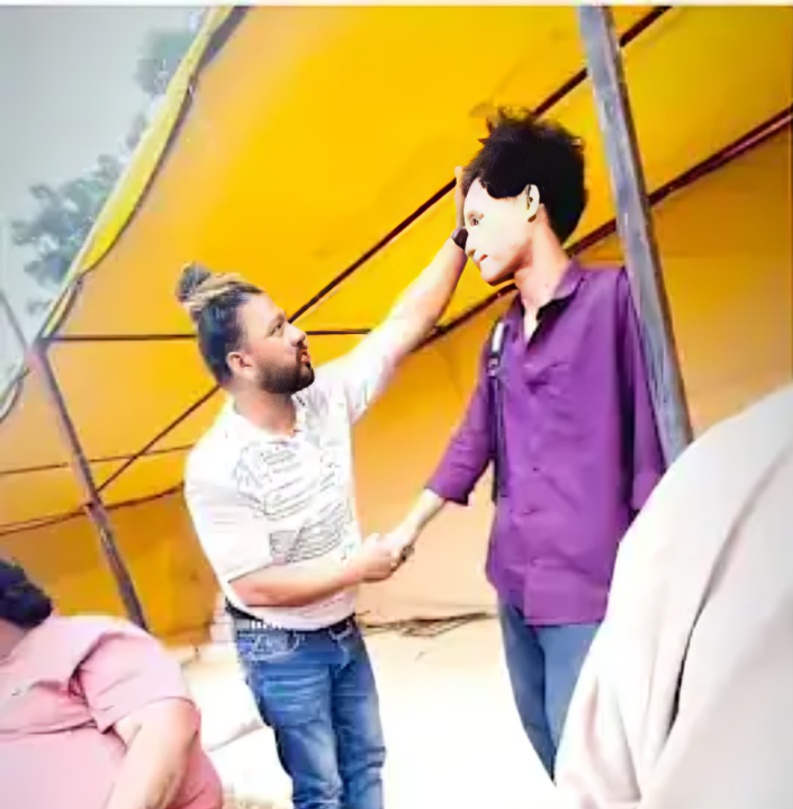
Union Minister Kiren Rijiju has condemned the alleged racial harassment of a young man from Tripura in a video circulating on social media, calling for strict action against Delhi-based content creator Amir Shokeen. The incident has triggered widespread criticism from political leaders, student organisations and members of the public, renewing concerns about racial discrimination against people from Northeast India.
In a post on social media platform X on October 21, Rijiju said the alleged conduct should not go unpunished. He also criticised people who tolerate such behaviour, arguing that silence towards discriminatory conduct can contribute to the spread of hatred in society. His remarks came amid growing demands for an investigation into the video and accountability for those involved.
Viral Video Triggers Outrage
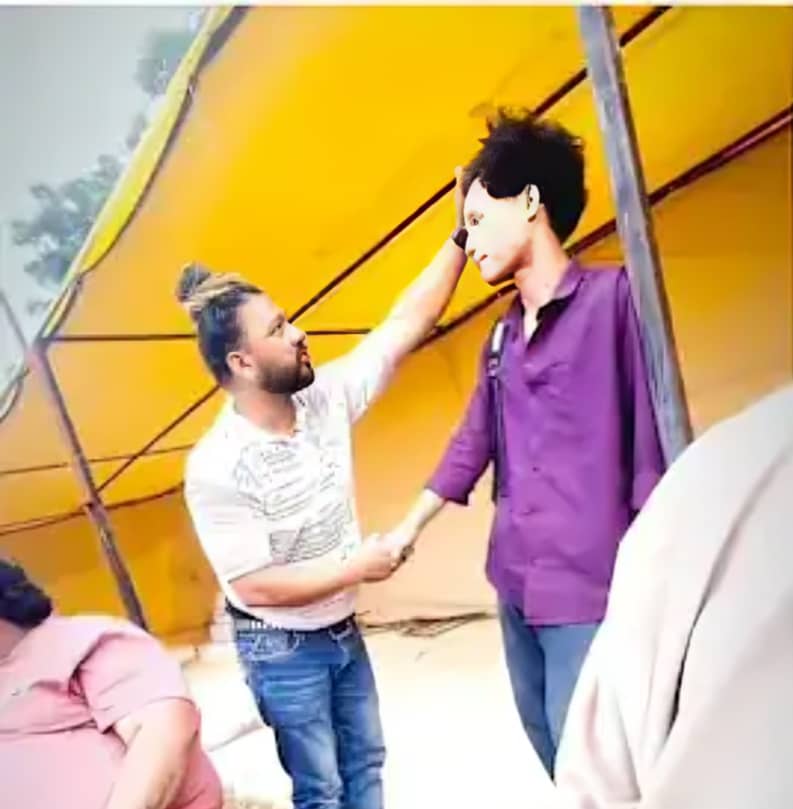
The controversy began after a purported video circulated online showing a young man from Tripura allegedly being subjected to derogatory remarks and humiliating treatment by a content creator identified in reports as Amir Shokeen. The video reportedly included comments mocking the youth’s appearance and regional identity, as well as an offensive reference to Tripura.
The footage prompted criticism from several political leaders and organisations in the Northeast. The allegations have raised questions about the use of racial stereotypes in online content and whether such conduct can be dismissed as entertainment. The claims remain subject to investigation, and the full circumstances of the incident must be established by the authorities.
Tripura Government Seeks Coordination With Delhi Police
Tripura Chief Minister Manik Saha has directed the state’s Director General of Police to coordinate with Delhi Police over the matter. The move followed calls for an investigation and appropriate legal action from political representatives and community organisations.
The Youth Tipra Federation, associated with the Tipra Motha Party, lodged a complaint with the NCC Police Station in Agartala on October 21. The organisation accused the content creator of racial harassment, verbal abuse and humiliation of an indigenous youth. It sought legal action under applicable provisions and called for coordination with Delhi Police and cybercrime authorities.
The Tripura Students Forum Delhi also approached Delhi Police, requesting an impartial investigation into the video. The organisation urged the authorities to verify the identities and roles of those involved, preserve relevant digital evidence and ensure that the person shown in the footage could provide a statement safely and without further harassment.
These complaints contain allegations that police must examine. Whether the conduct violates specific laws will depend on the evidence, the circumstances and the applicable legal provisions.
Delhi Police to Examine the Video
According to reports published on October 22, Delhi Police’s Intelligence Fusion and Strategic Operations unit will investigate the viral video. The Special Police Unit for North Eastern Region referred the matter for examination. Police personnel reportedly visited Shokeen’s residence but did not find him there, according to media reports citing a senior police officer.
The investigation is expected to examine the video and the circumstances surrounding its recording and circulation. Digital evidence, including the original footage and information about its upload, may help investigators establish the sequence of events and identify the people involved.
Rijiju has said that Delhi Police and Tripura Police should take firm action. However, any criminal liability must be determined through the legal process, based on evidence rather than public reaction alone.
Content Creator Reportedly Issues an Apology
A subsequent report by The Times of India stated that Shokeen issued a public apology following the backlash. He reportedly described the video as scripted and intended as a joke, saying that his content was not intended to hurt any community.
His reported explanation has not ended the controversy. Critics have argued that content presented as humour can still cause harm when it relies on racial stereotypes or humiliates someone because of their perceived ethnic or regional identity. The authenticity, context and circumstances of the video remain matters for the authorities to examine.
An apology or a claim that a video was scripted does not, by itself, establish whether an offence occurred. That question depends on the available evidence and the findings of the investigation.
Political Leaders Demand Accountability
Tipra Motha founder Pradyot Kishore Manikya Debbarma condemned the alleged incident and called for appropriate action. Tripura Leader of the Opposition Jitendra Chaudhury also demanded strict action and urged the content creator to apologise to the affected youth and the people of Tripura.
Other political representatives have expressed concern about alleged racial profiling and the treatment of people from Northeast India in metropolitan cities. The incident has once again brought attention to calls for greater awareness, respect and equal treatment for citizens regardless of their appearance, ethnicity or place of origin.
The response has also highlighted the role of social media platforms in rapidly spreading controversial content. While online platforms allow creators to reach large audiences, public figures and community groups have stressed that content should not normalise discrimination or humiliation.
Broader Concerns About Racial Discrimination
People from Northeast India have repeatedly raised concerns about being subjected to racial stereotypes and discriminatory treatment in other parts of the country. Incidents involving derogatory references to physical appearance, ethnicity or regional identity can have consequences beyond the person directly targeted, particularly when such content is shared widely online.
The latest controversy has prompted renewed calls for prompt investigation, accountability and measures to discourage racial harassment. Community organisations have also emphasised the importance of protecting the dignity and privacy of the person allegedly targeted.
The case remains under examination, and the allegations against Shokeen should not be treated as proven before the investigation and legal process are completed. The next steps will depend on the evidence collected and decisions made by the relevant police authorities.