Manjinder Singh Sirsa Criticises Punjab Government Over Stubble Burning
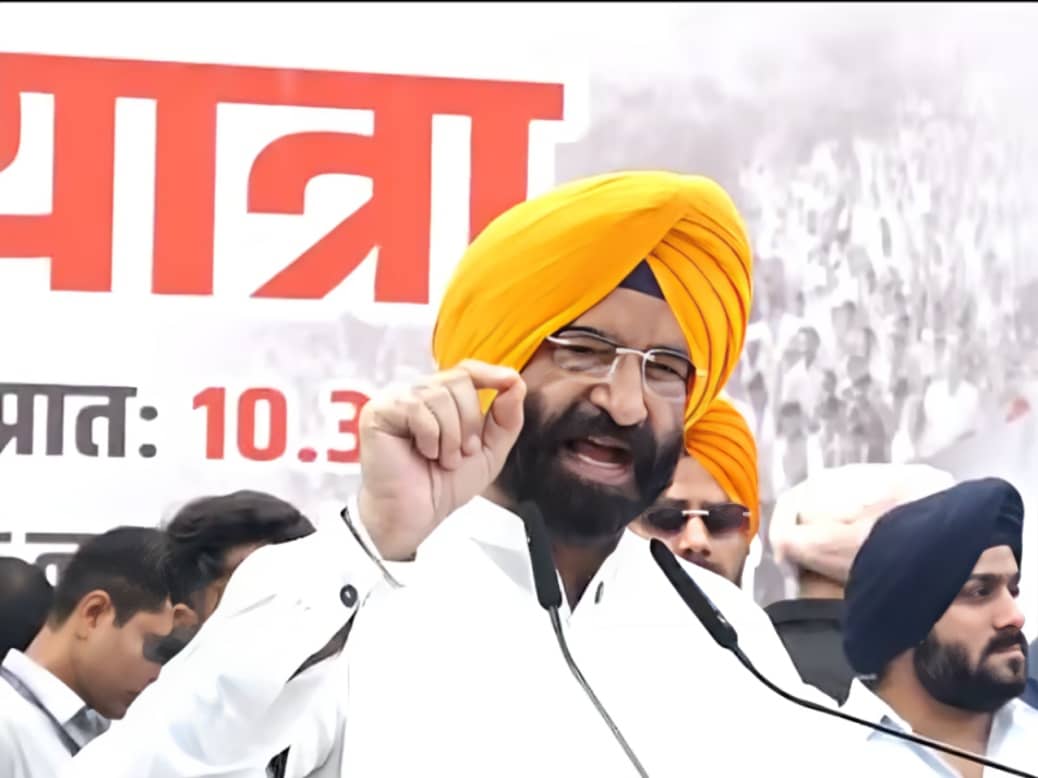
Delhi Environment Minister Manjinder Singh Sirsa has criticised the Punjab government over the continuing issue of stubble burning, accusing the state administration of misleading the public. He has linked the increase in agricultural fires in Punjab to the worsening air quality in Delhi and questioned the government's handling of the problem.
Stubble burning is a recurring environmental concern in northern India, particularly during the harvesting season. After harvesting paddy, some farmers burn the remaining crop residue in their fields to clear the land for the next agricultural cycle. Although the practice is a quick way to prepare fields, it releases smoke and pollutants into the atmosphere, contributing to air pollution.
Sirsa has alleged that smoke from agricultural fires in Punjab is adding to Delhi's pollution levels. He criticised Punjab Chief Minister Bhagwant Mann over his statements on the issue and accused the state government of presenting a misleading picture of the situation. His remarks have brought renewed attention to the political differences between the governments of Delhi and Punjab over responsibility for air pollution.
Questions Raised Over Government Action
Sirsa also questioned the steps taken by the Punjab government to address stubble burning. According to his criticism, the administration has not provided farmers with sufficient and effective solutions to manage crop residue without setting it on fire.
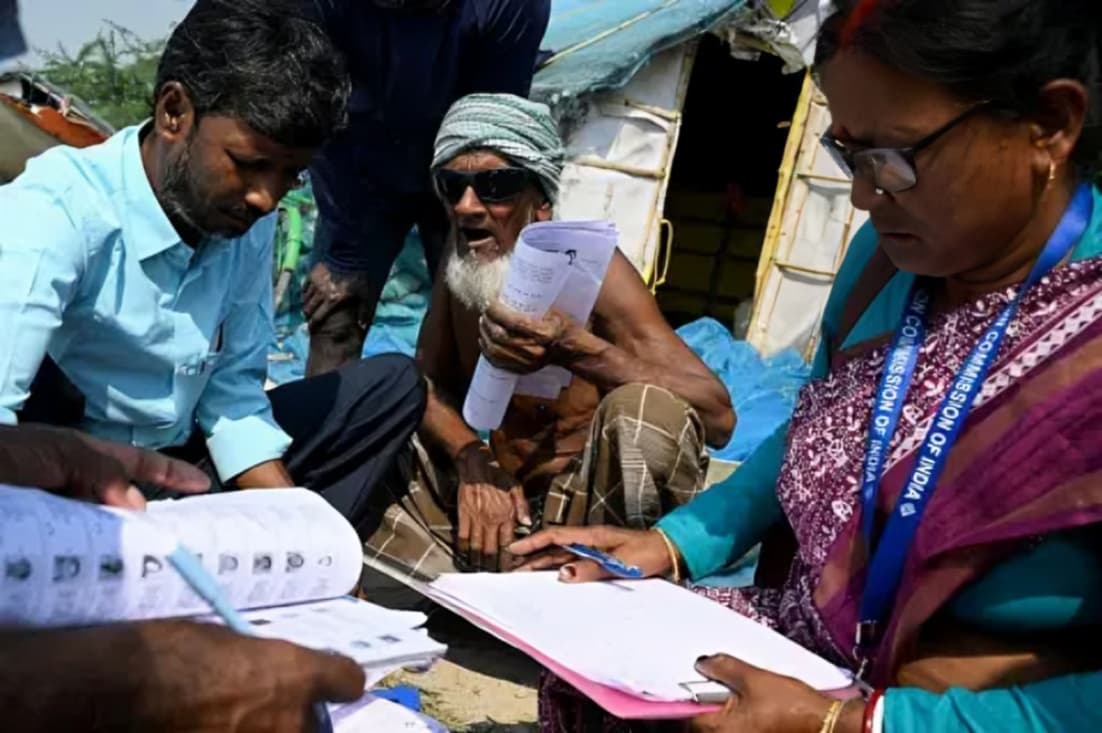
Farmers often face practical and financial difficulties when handling agricultural waste after harvesting. Removing or managing the remaining straw can require additional machinery, labour and expenditure. For farmers working within tight cultivation schedules, burning crop residue may appear to be a faster and less expensive option.
Addressing the problem therefore requires more than public statements or criticism. Farmers need accessible machinery, financial assistance and practical alternatives that can be used during the short period between harvesting and the next sowing season. Effective coordination between government departments and agricultural communities is also important.
Stubble Burning and Delhi's Air Quality
Air pollution in Delhi is influenced by several factors, including vehicle emissions, industrial activity, construction dust, local sources of pollution and weather conditions. During certain periods of the year, smoke from crop residue burning in neighbouring states can also contribute to the pollution burden.
The impact of agricultural fires can become more significant when weather conditions prevent pollutants from dispersing. Low wind speeds and atmospheric conditions can allow smoke and other pollutants to remain close to the ground, affecting air quality across the region.
The connection between farm fires and Delhi's air pollution has frequently become a subject of public and political debate. Governments in the region face pressure to reduce pollution while ensuring that farmers have the resources needed to adopt alternative agricultural practices.
Need for Practical Solutions for Farmers
A lasting solution to stubble burning requires cooperation between state governments, agricultural departments, environmental authorities and farmers. Providing crop residue management equipment at affordable rates, promoting alternative uses for agricultural waste and improving awareness about available support can help reduce dependence on burning.
Farmers also need timely access to machinery and assistance. If suitable equipment is unavailable during the harvesting period, even farmers who want to avoid burning may find it difficult to manage the residue. Government schemes must therefore be implemented effectively at the local level.
Sirsa's criticism has once again highlighted the disagreement over the Punjab government's response to stubble burning and its possible contribution to Delhi's air pollution. His remarks have also raised questions about whether sufficient support is reaching farmers to help them adopt cleaner methods of crop residue disposal.
The issue remains an important environmental and agricultural challenge for northern India. Reducing farm fires will require consistent action, practical support for farmers and coordination between the states concerned. Political exchanges may continue, but long-term improvement will depend on effective measures that address both agricultural needs and public health concerns.