New Delhi
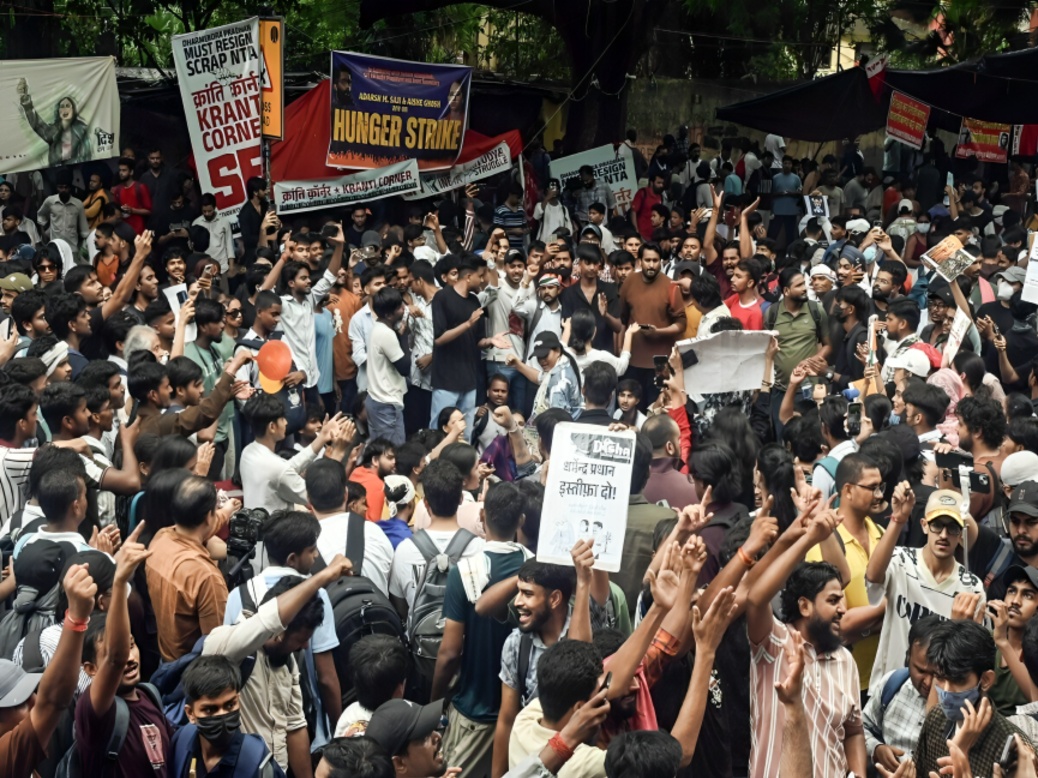
The proposed October 2 protest at Jantar Mantar in New Delhi against Chief Election Commissioner Gyanesh Kumar had not received permission from the Delhi Police as of September 29, according to police sources. The planned demonstration comes amid continuing political activity and public protests surrounding the Special Intensive Revision of electoral rolls and demands raised by opposition groups and civil society organisations.
The October 2 programme is part of a wider campaign involving political parties, civil society groups and other organisations. Several demonstrations have already taken place in different parts of the country in recent days. The issue has generated political debate over the functioning of the Election Commission and the ongoing revision of electoral rolls. The Election Commission has maintained that differences in views during institutional deliberations are normal and that its decisions are taken in accordance with the applicable legal framework.
According to Delhi Police sources, no permission had been granted for the proposed Jantar Mantar protest scheduled for October 2. The development is significant because Jantar Mantar is one of the locations in the national capital associated with public demonstrations, but gatherings at the site are subject to police permissions and applicable restrictions.
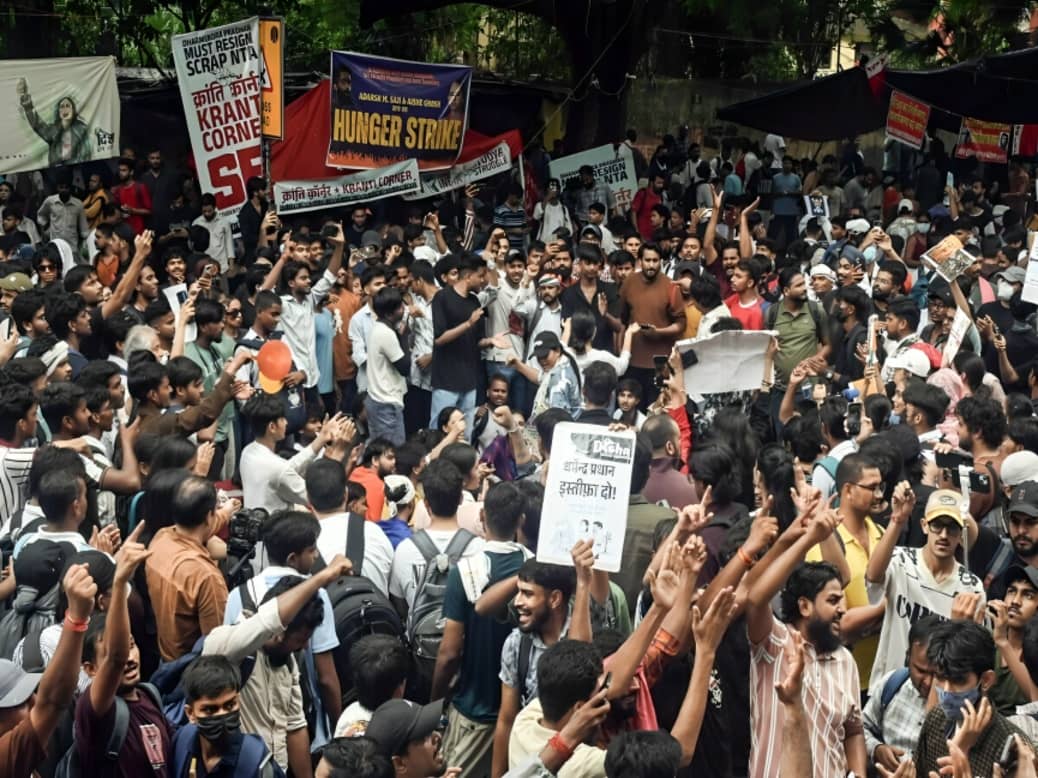
The permission issue comes after police action during recent demonstrations in Delhi. On September 26, several protesters were detained near Jantar Mantar and other locations after attempting to hold demonstrations connected with the SIR issue and demands concerning the Chief Election Commissioner. Delhi Police said the protesters did not have permission for the assembly. Reports also said restrictions had been imposed in parts of the New Delhi district at the time.
The proposed October 2 demonstration is being linked to a broader call for protests against the Election Commission. The Cockroach Janta Party has separately announced plans for a nationwide agitation beginning on October 2 if its demand concerning the Chief Election Commissioner is not met. The organisation had initially announced Mumbai as the starting point for its proposed campaign.
The situation in Mumbai has also involved a permission dispute. Mumbai Police denied permission for the proposed October 2 gathering at Shivaji Park. According to police communications reported by multiple news organisations, the police said they were not empowered to grant permission for a public gathering at Shivaji Park because of an earlier High Court judgment and subsequent government directions. The organisers were advised to identify an alternative venue and submit a fresh request for permission.
The restrictions at Shivaji Park are therefore connected not only to the political nature of the proposed gathering but also to existing legal and administrative provisions governing public assemblies at the venue. Mumbai Police cited the High Court order in PIL 116 of 2009 and subsequent Maharashtra government directions while communicating its position on the application.
Despite the denial, Cockroach Janta Party founder Abhijeet Dipke announced that the organisation would proceed with a Jail Bharo Andolan in Mumbai on October 2. The announcement followed the police decision regarding the proposed Shivaji Park gathering. The organisers have described the programme as part of their wider campaign concerning the Election Commission and electoral roll revision.
Meanwhile, political activity around the issue has continued in several states. Congress and other opposition groups have held demonstrations over the Special Intensive Revision of electoral rolls and have raised allegations concerning the Election Commission. These allegations are political claims and have been disputed by the Election Commission and the BJP. The Election Commission has stated that differences of opinion among officials can occur during institutional deliberations and has maintained that its actions are lawful.
The proposed October 2 programmes are also significant because the date marks Gandhi Jayanti, the birth anniversary of Mahatma Gandhi. Organisers have chosen the occasion for demonstrations in different parts of the country. The nature and scale of the planned gatherings, however, will depend on permissions from the relevant authorities and any applicable restrictions.
In Delhi, the absence of permission as of September 29 means that the status of the proposed Jantar Mantar gathering remains subject to further developments. Police authorities have previously emphasised that demonstrations at restricted locations require prior approval. Recent detentions near Jantar Mantar have also highlighted the importance of obtaining the required permission before organising public assemblies.
The developments in Delhi and Mumbai come against the backdrop of a larger political debate over electoral roll revision and the functioning of the Election Commission. Opposition parties and civil society groups have continued to raise questions over the process, while the Election Commission has defended its procedures.
For October 2, the final arrangements for demonstrations in Delhi and other cities are therefore expected to depend on decisions by the respective police and administrative authorities. In Mumbai, organisers have already been advised to consider alternative venues after the permission request for Shivaji Park was rejected. In Delhi, police sources said permission for the proposed Jantar Mantar protest had not been granted as of September 29.