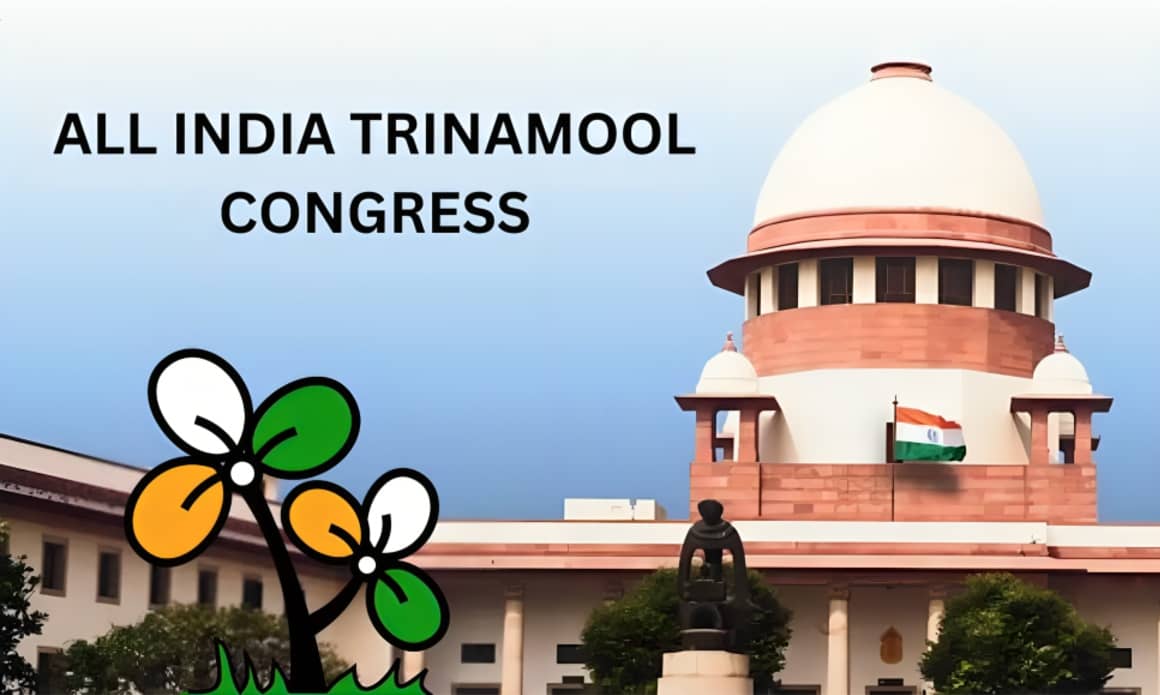
The Supreme Court has directed the Election Commission of India to take a final decision on the dispute between rival factions of the All India Trinamool Congress over the party's name and election symbol within three months after the completion of the parties' pleadings.
The direction was issued by a bench comprising Chief Justice of India Surya Kant and Justices Joymalya Bagchi and V Mohana while hearing a petition challenging the Election Commission's interim decision concerning the recognised party name and its reserved election symbol.
Under the Supreme Court's latest direction, both sides have been given four weeks to complete their pleadings before the Election Commission. This includes filing necessary affidavits, counter affidavits, additional documents and other relevant material connected with their respective claims. Once the pleadings are completed, the Election Commission has three months to decide the dispute.
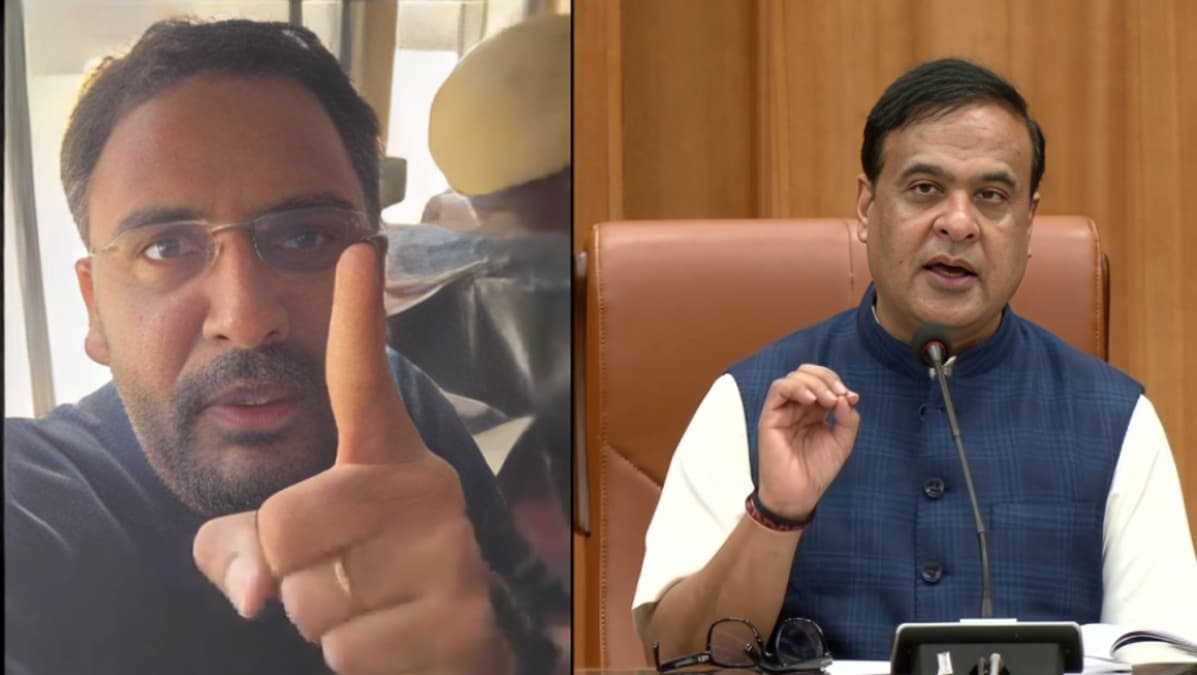
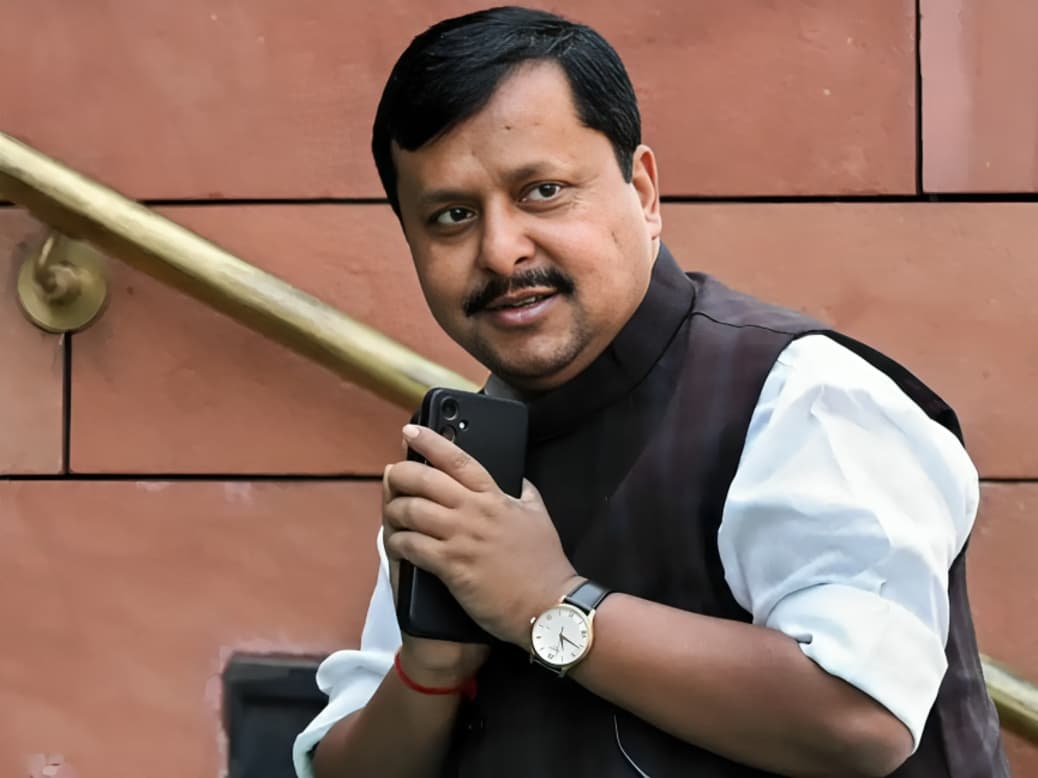
The dispute involves two rival groups within the All India Trinamool Congress. One faction is led by West Bengal Chief Minister and TMC leader Mamata Banerjee, while the rival faction is associated with Arup Roy. Both sides have raised competing claims concerning the party's organisational control and the right to use the recognised party name and election symbol.
The Election Commission had earlier taken an interim decision to freeze the use of the original All India Trinamool Congress name and the party's reserved Flowers and Grass symbol by the rival factions. The Commission's interim arrangement was introduced while the poll panel considers the substantive dispute between the two groups.
The Supreme Court's latest order does not decide which faction is entitled to the original party name or symbol. Instead, the court has set a time-bound process for the Election Commission to examine the rival claims and issue its decision according to the applicable election law. The merits of the competing claims remain before the Election Commission.
The case has gained additional importance because West Bengal is scheduled to hold Assembly bypolls in Nandigram and Rejinagar on October 6, 2026. The Election Commission had already made an interim arrangement for the two factions for these elections because of the pending dispute.
The poll panel had allotted separate names and symbols to the rival groups for the bypoll process. According to reports, the Mamata Banerjee-led faction was allotted the name Mamata All India Trinamool Congress and the Football Player symbol. The rival group was allotted the name Democratic Trinamool Congress and the Envelope symbol. These arrangements are part of the interim framework and are separate from the final determination of entitlement to the original TMC name and symbol.
The Supreme Court's decision came after the Election Commission was asked to indicate how much time it would require to complete the proceedings. The poll panel had sought a longer period, citing the volume of documents, affidavits and evidence that can arise in party recognition and symbol disputes.
The Election Commission's counsel reportedly sought six months to complete the process. The Supreme Court did not accept that request and instead fixed a three-month period following completion of the pleadings. The court also indicated that the parties' cooperation would be important for completing the proceedings within the prescribed timeline.
The dispute is being considered under the provisions governing the recognition of political parties and allocation of election symbols. In such disputes, the Election Commission examines the material placed before it by the rival groups before determining which faction, if any, is entitled to the recognised party name and reserved symbol.
The Supreme Court has also made it clear that it is not expressing an opinion on the merits of the dispute. The final determination will therefore remain with the Election Commission after both factions have completed their submissions and the poll panel examines the evidence and arguments presented by the parties.
The four-week period for pleadings is particularly significant because the two factions will have an opportunity to place additional material before the Election Commission. The submissions may include organisational records, affidavits and other documents relevant to their respective claims over the party's organisational control.
After the pleadings are completed, the three-month period for the Election Commission's decision will begin. The Supreme Court has thus established a defined timeline for the proceedings instead of allowing the dispute to remain pending without a specified deadline.
The case also comes at a politically significant time for West Bengal. The upcoming Nandigram and Rejinagar bypolls will be conducted under the interim arrangements already announced by the Election Commission. Voting is scheduled for October 6, while counting is scheduled for October 9.
The dispute over the TMC name and symbol is separate from the conduct of those bypolls. The Supreme Court has not ordered any change to the existing electoral arrangements for the upcoming elections. Reports said the court considered the fact that the election process had already progressed, including the filing of nominations and allocation of alternative names and symbols.
The Supreme Court's order is therefore focused on ensuring that the larger organisational dispute is resolved through the Election Commission's statutory process within a defined timeframe. Both sides will now have four weeks to complete their pleadings, following which the poll panel will have three months to examine the dispute and issue its decision.
The final outcome will determine the Election Commission's position on the competing claims concerning the All India Trinamool Congress name and the Flowers and Grass election symbol. Until that decision is issued, the interim arrangements for the rival factions will remain relevant to the ongoing electoral process.
For now, the Supreme Court has not chosen between the rival factions. It has instead directed the Election Commission to complete the adjudication within the prescribed timeline after giving both sides an opportunity to present their evidence and arguments.
The case will therefore remain under consideration before the Election Commission following the completion of the four-week pleadings period. The poll panel's eventual decision will be based on the material and submissions placed before it by the rival factions and the applicable provisions governing party recognition and election symbols.