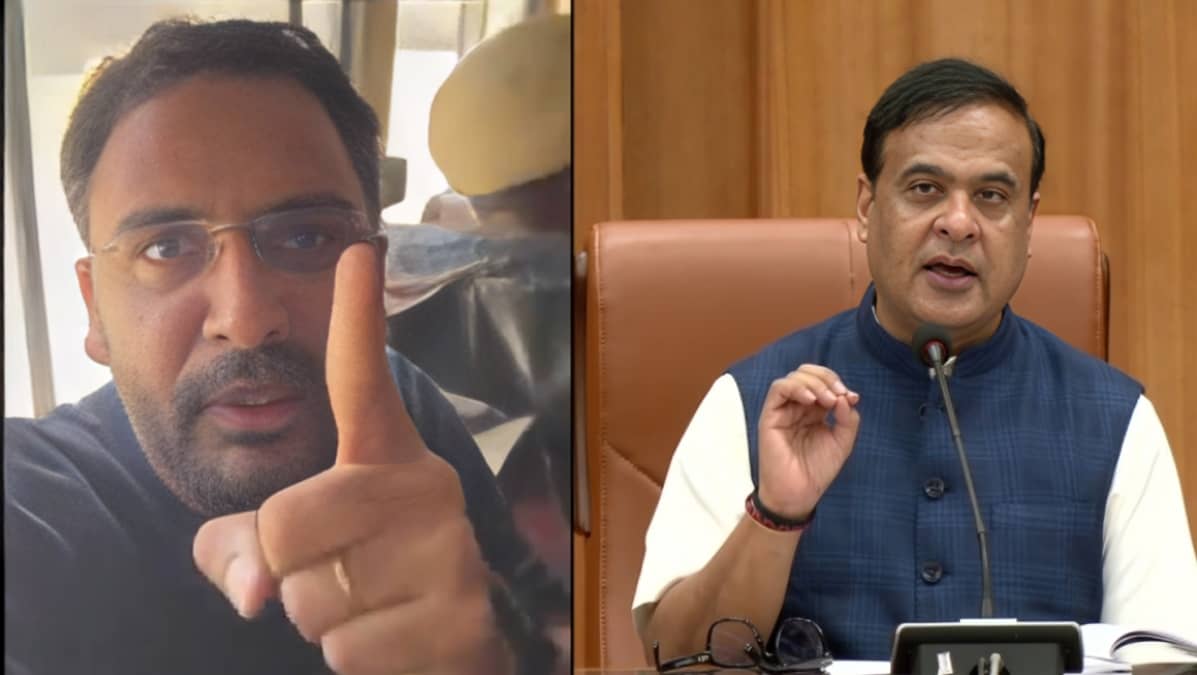
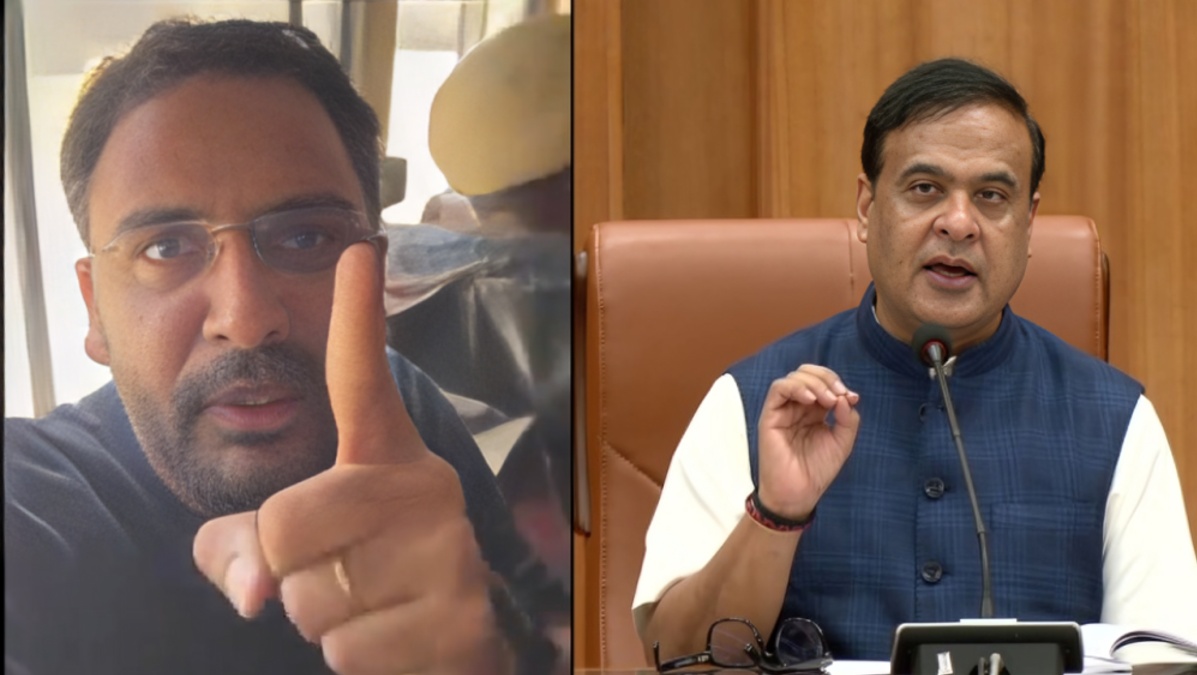
Cockroach Janta Party leader Ashutosh Ranka has criticised Assam Chief Minister Himanta Biswa Sarma following the detention of more than 40 CJP volunteers in Guwahati, alleging that the state government had repeated what he described as a mistake made by Union Home Minister Amit Shah during an earlier CJP protest at Jantar Mantar in Delhi.
Ranka and more than 40 CJP volunteers were detained by Assam Police on Sunday, September 27, ahead of a scheduled regional volunteers' meeting in Guwahati. The group was later released on the same day. Ranka subsequently alleged that the detention was carried out without providing a clear explanation for the police action.
According to reports, Ranka and the volunteers had gathered at the residence of Assam Jatiya Parishad leader Kunki Chowdhury in the Chowdhury Tilla area. The location is near the Assam Secretariat in Dispur. The CJP had planned to hold its first regional volunteers' meeting there.
After his release, Ranka said the detention had ended and that the group had asked police to take them back to the location from where they had been picked up. He described the detention as illegal, while reports did not immediately provide a detailed official explanation from Assam Police regarding the specific legal basis for the action.
Ranka told reporters that he and his team had asked police why they were being detained. According to his account, officers told them that they did not know the reason and that they had received orders from senior authorities. This is Ranka's account of the incident and has been reported as an allegation.
The CJP leader said the planned meeting was intended to discuss several issues concerning Assam. These included the condition of government schools, the rights of indigenous communities in the Kaziranga region and issues related to the delimitation of constituencies.
Ranka alleged that the police action prevented the organisation from holding the meeting and raising these issues. He also criticised the state government over matters concerning education, employment and the rights of local communities. These statements were made by Ranka following his release and form part of the CJP's political response to the detention.
Ranka also directly criticised Chief Minister Himanta Biswa Sarma. He alleged that the Chief Minister was concerned about the CJP raising questions about the functioning of the state government and said the detention would not stop the organisation from continuing its activities.
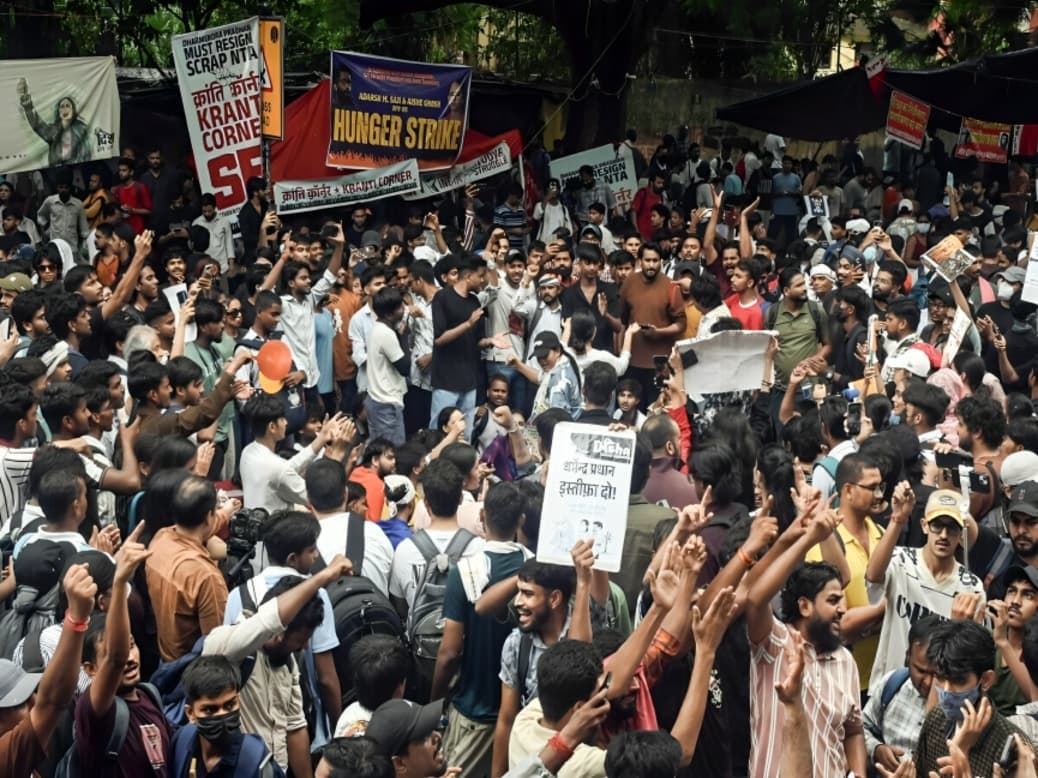
In another major allegation, Ranka compared the Assam incident with the CJP's earlier protest at Jantar Mantar in New Delhi. He claimed that Sarma had repeated what he described as the same mistake made by Union Home Minister Amit Shah during that earlier demonstration.
Ranka said the CJP would intensify its political activities across the Northeast following the detention. He maintained that the organisation would continue raising issues concerning governance, education, employment and the rights of local communities.
The detention also attracted reactions from opposition political leaders in Assam. Congress, Assam Jatiya Parishad, Raijor Dal and Aam Aadmi Party leaders questioned the police action and demanded the release of the detained CJP members. Opposition leaders described the reported detention as a matter concerning the right to dissent and political activity.
CJP founder Abhijeet Dipke had also reacted to the detention. He claimed that Ranka and the volunteers had been detained without being informed of the reason for the action. Dipke said that if Ranka and the others were not released, he would travel to Assam with additional party members.
The volunteers were eventually released later on Sunday. Following their release, Ranka reiterated his criticism of the Assam government and said the CJP would continue its political activities in the region.
The incident has drawn attention because the detention took place ahead of a planned organisational meeting of a relatively new political group. The CJP has been seeking to expand its presence beyond Maharashtra and has announced plans to organise volunteers and raise local issues in different parts of the country.
The Assam meeting was intended to provide a platform for the party's volunteers to discuss issues specific to the state. Ranka said the proposed discussions would include the condition of schools and the rights of indigenous people in Kaziranga. He also referred to delimitation as another issue that the organisation wanted to discuss.
The CJP has alleged that the detention was politically motivated, but such claims remain allegations made by the organisation and its leaders. Reports available on the incident confirm the detention and subsequent release, while the detailed official reasoning behind the police action was not immediately provided in the reports cited.
The controversy comes amid wider political activity in Assam. The state has seen continued debate over issues including delimitation, development, education, environmental concerns and the rights of local communities. Political parties and civil society groups have taken different positions on these issues.
Ranka's comments have also connected the Guwahati incident with the CJP's earlier confrontation with authorities during its protest in Delhi. By comparing the two incidents, the CJP leader has sought to present the Assam detention as part of a broader dispute over the organisation's right to hold political meetings and protests.
The Assam government and police's position on the allegations is important in assessing the full circumstances of the incident. At the time of the reported developments, the available reports primarily carried statements from Ranka, the CJP and opposition leaders, while detailed comments from the Assam Police on the specific grounds for the detention were not included in those reports.
The detention and release of Ranka and the volunteers have therefore become another point of political debate involving the CJP and authorities. Ranka has said the organisation will continue its activities despite the incident and intends to expand its movement across the Northeast.
The episode also highlights the difference between an allegation made by a political organisation and an established finding by an independent authority. Ranka's claims regarding the legality and motivation of the detention have been reported, but they should be understood as his account of the incident unless supported by an official investigation or judicial finding.
For the CJP, the incident has become part of its ongoing political campaign in Assam and other northeastern states. Ranka has said the organisation will continue discussing issues related to education, employment, indigenous rights and constituency delimitation.
The developments in Guwahati are expected to remain a subject of political discussion as the CJP seeks to build its organisational network in the Northeast. The immediate incident ended with the release of Ranka and the other volunteers, but the political disagreement surrounding the detention continues.